Manufacturer News · Samsung
Google and Samsung Accelerate AI Glasses Push to Challenge Meta
Fresh details point to Google and Samsung testing multimodal AI eyewear capable of real-time translation and visual search to take on Meta.

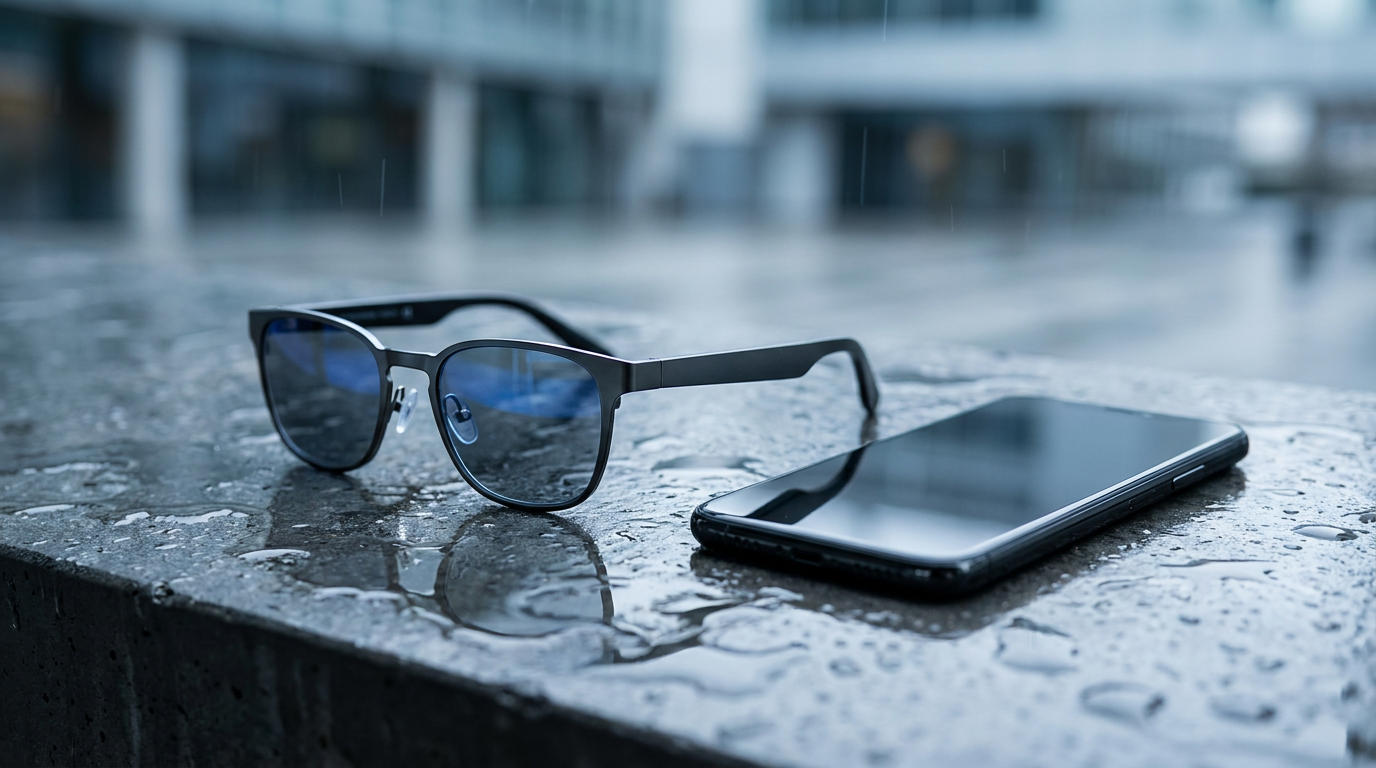
Google and Samsung are stepping up their joint efforts to challenge Meta in the rapidly expanding AI smart glasses sector this week, aiming to turn everyday eyewear into ambient computing hubs. According to a report from kedglobal.com, recent demonstrations in New York showcased prototypes handling complex multimodal tasks, including instant translation of spoken French into Korean, turning a museum painting into an interactive history briefing, and pulling flight and travel advice directly from a printed map.
The demonstrations highlight how both tech giants plan to leverage Google's conversational AI models alongside Samsung's hardware manufacturing prowess. Rather than focusing solely on bulky mixed-reality headsets, the alliance is actively exploring lightweight form factors that weave artificial intelligence into daily routines. As kedglobal.com reports, the focus centers on proactive contextual awareness, where onboard cameras and microphones feed real-time visual and auditory data to cloud-based neural networks to assist users without requiring them to pull out a smartphone.
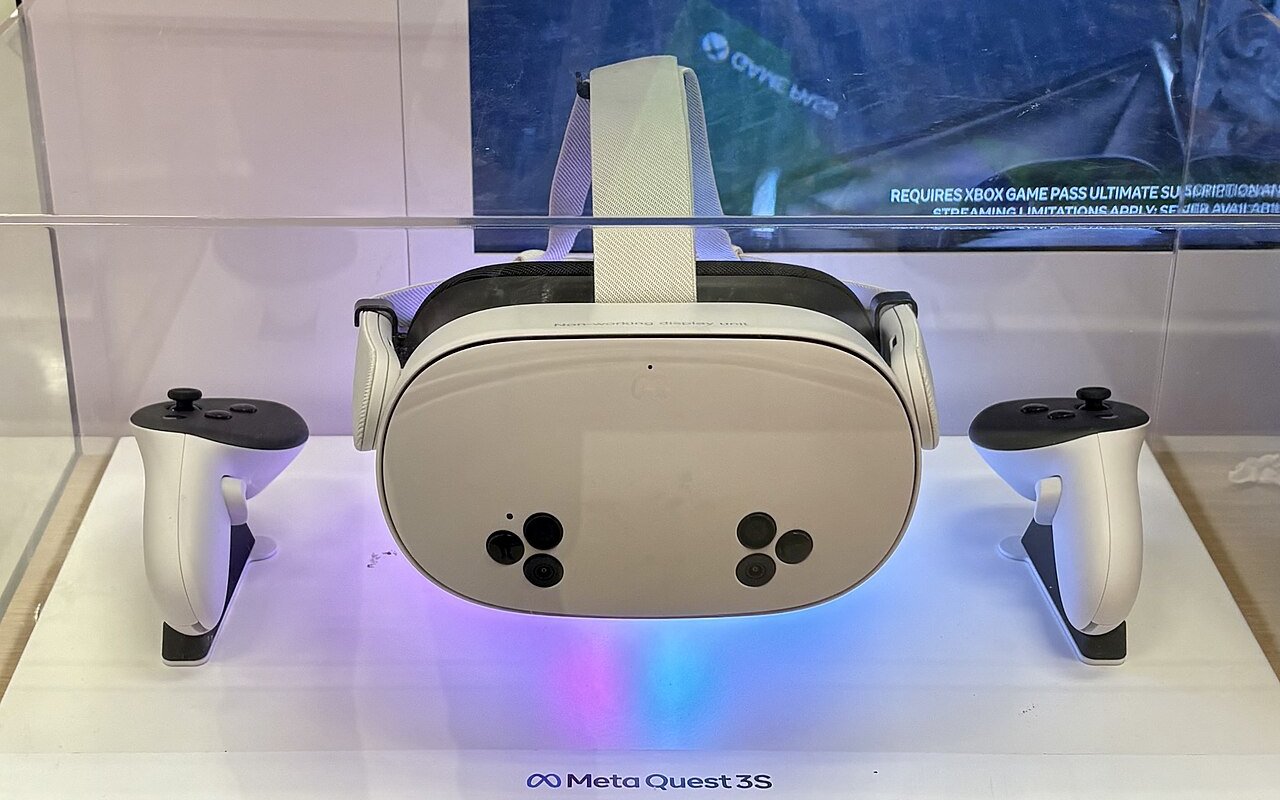
The renewed urgency comes as Meta continues to pull ahead in the category. Through its partnership with EssilorLuxottica on the Ray-Ban Meta glasses, the social media giant proved that ordinary consumers will purchase camera-equipped audio frames if the industrial design looks classic and the AI assistant feels responsive. Meta has steadily rolled out multimodal features like landmark recognition, menu translation, and reminders, establishing a loyal user base and setting the benchmark for what non-display smart eyewear should cost and do.
How it compares: Meta relies on its open-weight Llama family of models paired with custom software layered over an Android base, but it lacks the native system-level integration that Google controls. A Google and Samsung smart eyewear platform powered by Android XR and Google Gemini has immediate access to core utility engines: Google Maps for navigation, Google Lens for visual discovery, and Google Translate for spoken communication. Where Meta must build external integrations or rely on third-party data providers, Google already owns the essential software graph that travelers and professionals rely on every day.
What this means: The smart eyewear sector is rapidly splitting into two distinct form factors. On one side sit display-enabled augmented reality glasses from makers like XREAL, which prioritize virtual monitors and media consumption. On the other side sit audio-and-sensor frames, where Meta, Google, and Samsung are aiming their sights. For Samsung, entering this category is vital to protect its Galaxy mobile perimeter. For Google, wearable AI represents the most natural hardware vehicle yet for Project Astra, its vision for a low-latency, universal AI agent that perceives the physical environment in real time.
Our take: Hardware execution will determine whether Google and Samsung can genuinely outsmart Meta. Google's first venture into face-worn computing over a decade ago stumbled on battery life, thermal limits, and social etiquette. By teaming up with Samsung and chipmaker Qualcomm, Google secures top-tier silicon and industrial design discipline. If the joint platform can match the sub-50-gram weight and accessible price point of traditional sunglasses, the battle for the bridge of your nose will finally become a true two-horse race.
Interactive guide: prices, displays, cameras, battery.
Share this story