Reviews · Even Realities
Even Realities G2 Review: Sleek Hardware Hints at Everyday AR Potential
A new hands-on evaluation highlights the impressive lightweight frame of the Even Realities G2, showing how close stylish heads-up eyewear is to mainstream readiness.
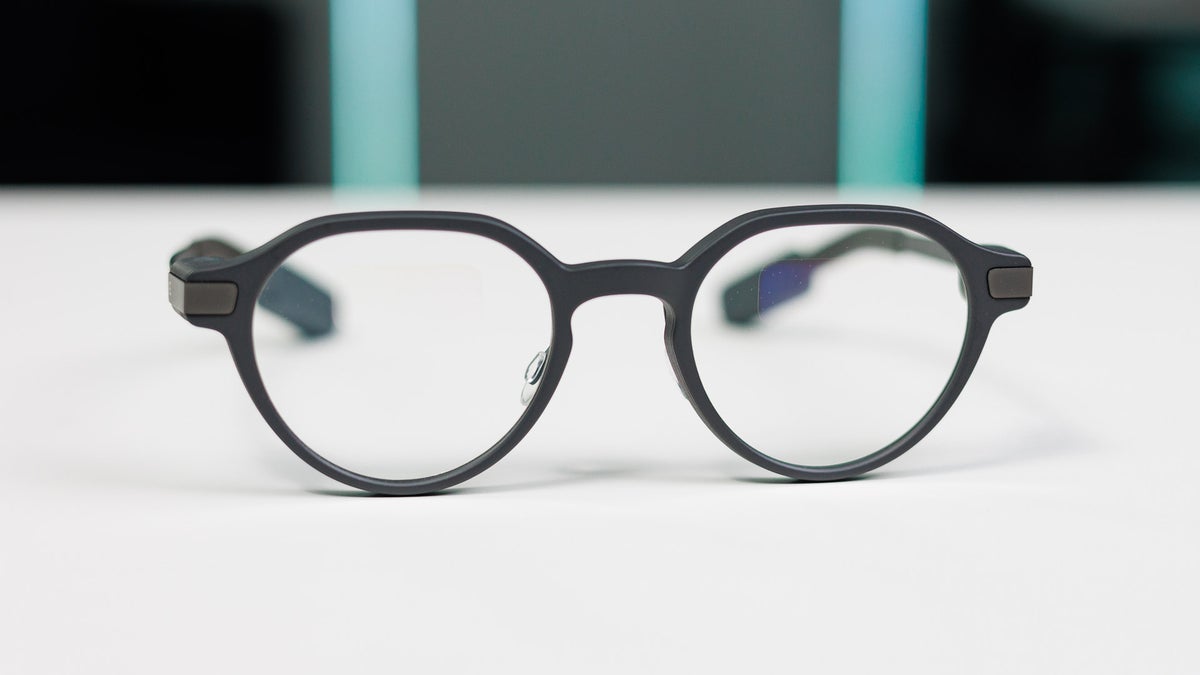
In a detailed review published this week, phonearena.com assessed the Even Realities G2 augmented reality glasses, examining whether the hardware delivers on its promise of subtle, daily wearable computing. Reviewer Stanislav Serbezov frames the device as a glimpse of where consumer AR is headed, pairing an exceptionally lightweight chassis with a discreet heads-up display system.
According to phonearena.com, the Even G2 stands out primarily for its unobtrusive industrial design. Unlike cumbersome spatial computing headsets or thick entertainment viewers, the frames closely mimic traditional designer eyewear. Stanislav Serbezov emphasizes that the physical form factor feels genuinely ready for public wear, though the broader software experience and input mechanics still reflect early-generation constraints, leaving what he describes as one foot still anchored in the past.
Even Realities has focused its engineering on digital minimalism. Rather than attempting full-color, high-field-of-view mixed reality, the system relies on green monochrome microLED optical waveguides integrated directly into everyday lenses. This architecture targets functional glanceability: turn-by-turn navigation arrows, discreet text notifications, quick translation prompts, and real-time teleprompting. By keeping the display subtle and high-contrast, the frames maintain social acceptability while minimizing eye strain in ambient daylight.
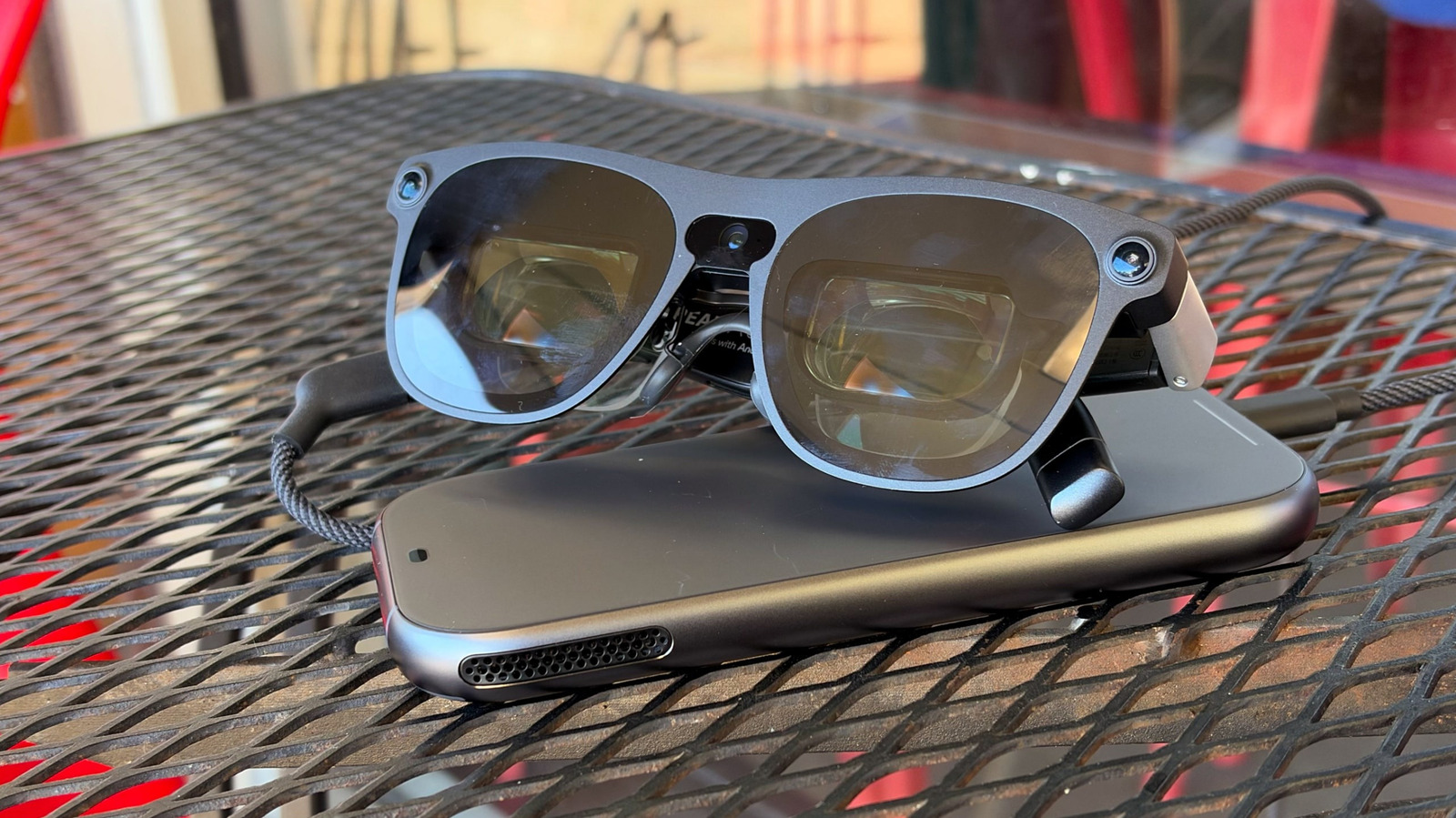
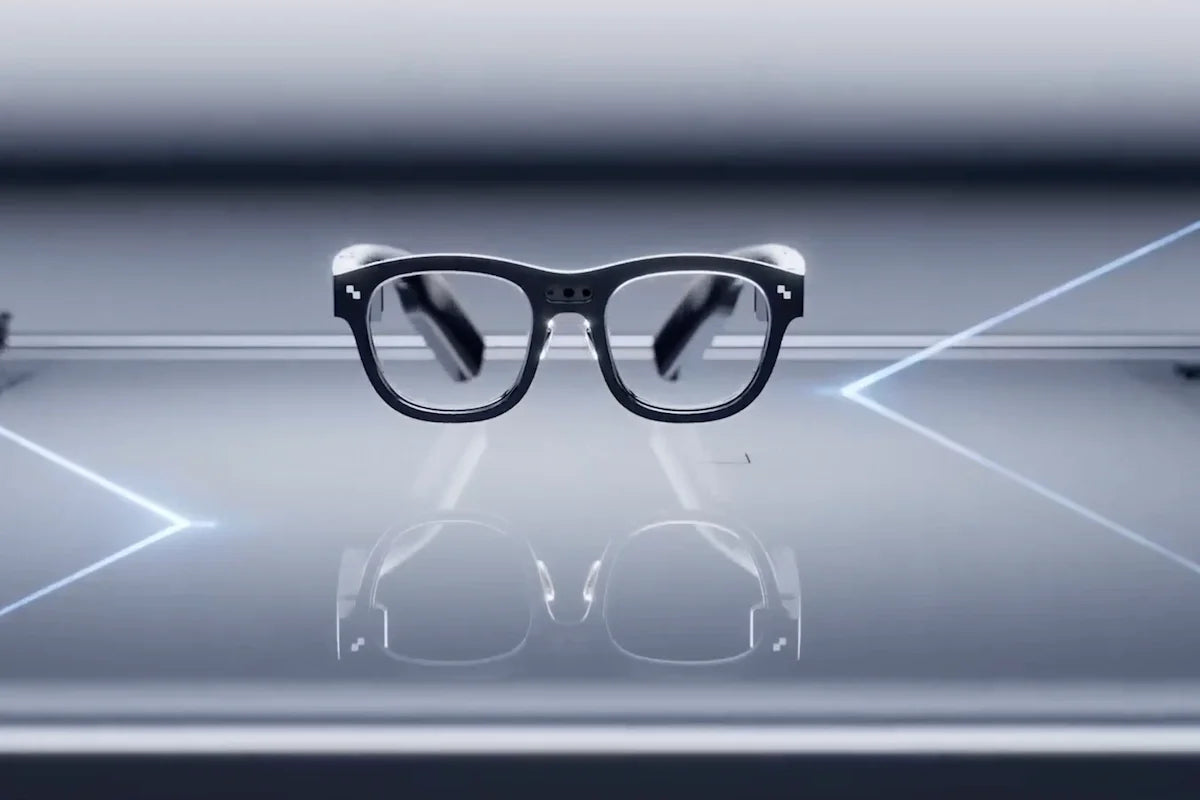
How it compares: The smart glasses ecosystem currently divides into three distinct categories. On one end sit camera-centric audio frames like the Ray-Ban Meta smart glasses, which feature robust multimodal AI voice assistance but lack any visual display. On the opposite extreme are display glasses from makers like Xreal and Rokid, which deliver expansive virtual screens for gaming and video streaming, but demand thick optical prisms and tethered cables. The Even Realities G2 occupies the middle lane alongside competitors like RayNeo, prioritizing visual data overlays inside a genuine prescription form factor without tethering.
What this means: The biggest hurdle for augmented reality has never been optical physics alone; it has been social ergonomics. Devices fail when they make wearers look eccentric or weigh down the bridge of the nose after twenty minutes. By solving weight distribution and silhouette first, Even Realities proves that heads-up displays can integrate seamlessly into daily routines. However, the software layer remains the critical battleground. Companion smartphone apps, notification filtering, and prompt contextual triggers will determine whether these glasses become indispensable tools or expensive novelties.
Our take: Smart glasses do not need to replace your desktop monitor or project virtual cinema screens to justify their existence. In fact, the future of ambient computing belongs to lightweight frames that convey critical information in three seconds or less without forcing you to unlock a smartphone screen. The Even Realities G2 represents an encouraging step toward that vision. Once developers streamline the software ecosystem and refine hands-free interactions, minimalist heads-up eyewear will quickly shift from an experimental luxury into everyday standard gear.
Interactive guide: prices, displays, cameras, battery.
Share this story