Guides · Caviar
Caviar's Smart-Glasses Play: A Gilded Entry into the Luxury Tech Segment
The Russian customizer, known for its audacious luxury tech, has entered the smart-glasses arena not with innovation, but with extreme embellishment. Caviar's strategy redefines 'wearable tech' for the ultra-elite.
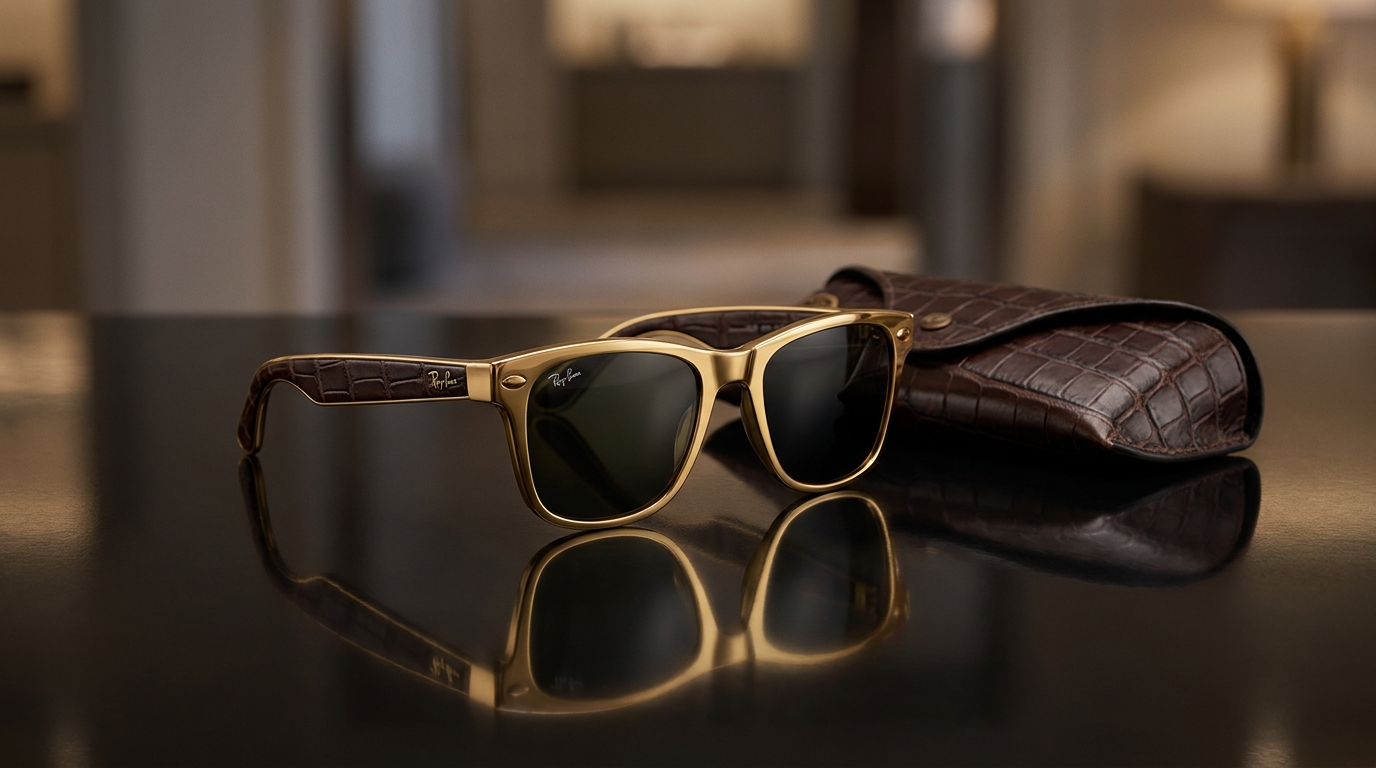
Caviar, the Russian luxury customizer synonymous with gold-plated iPhones and diamond-encrusted smartwatches, has officially entered the smart-glasses market. Their debut, however, is not marked by technological breakthroughs or proprietary hardware. Instead, Caviar has chosen a path entirely consistent with its brand ethos: taking an existing, popular piece of smart eyewear and elevating it to an unprecedented level of opulence and exclusivity.
This move, while predictable for Caviar, introduces a fascinating dynamic into the smart-glasses landscape. As companies like Meta and Google push the boundaries of AI integration and functional utility, Caviar sidesteps the innovation race entirely. Their thesis appears to be that a segment of the market isn't just looking for advanced features, but for visible, undeniable status symbols, even if those symbols wrap consumer-grade technology in precious metals and exotic leather.
Caviar's history is built on transforming mass-produced electronics into bespoke luxury items. Originating from Russia, the company has carved out a distinct niche by applying gold, diamonds, and exotic materials to popular smartphones, gaming consoles, and wearables. Their target audience is unequivocally the ultra-high-net-worth individual, someone for whom a standard Apple Watch or iPhone is simply not exclusive enough.
The decision to enter the smart-glasses space now is shrewd. As AI glasses gain traction and become more integrated into daily life, they present a new canvas for conspicuous consumption. The form factor, deeply personal and often visible, makes smart glasses an ideal candidate for Caviar’s brand of extreme customization, turning a functional gadget into a statement piece of jewelry.
For Caviar, the 'why now' is less about market timing for smart glasses technology and more about the maturation of the category's acceptance. As smart glasses shed their early adopter stigma and become more mainstream, the opportunity to offer a 'luxury tier' becomes viable. They aren't selling the next big tech; they're selling an identifier.
Caviar's current offering in the smart-glasses segment is singular yet impactful: the Caviar Odyssey Ray-Ban Meta. This AI-glasses model is currently available for preorder and carries a staggering price tag of $6,130. The core device is, notably, a customized version of Meta's widely available Ray-Ban Meta AI glasses.
What justifies the exorbitant price? The Odyssey Ray-Ban Meta features extensive gold-plating, transforming the frames into a gleaming testament to luxury. Complementing this, the glasses come with an alligator skin case, further emphasizing the exclusive, high-end nature of the product. The functional components, including the integrated camera and Meta AI capabilities, remain identical to the standard Ray-Ban Meta glasses.
This means that while the outward appearance is dramatically altered and the price amplified, the underlying smart features—like hands-free photo and video capture, live streaming, call answering, and Meta AI voice interaction—are precisely what one would find in the original product. Caviar adds no computational power, no new sensors, nor any proprietary AI; it is purely an aesthetic, material upgrade.
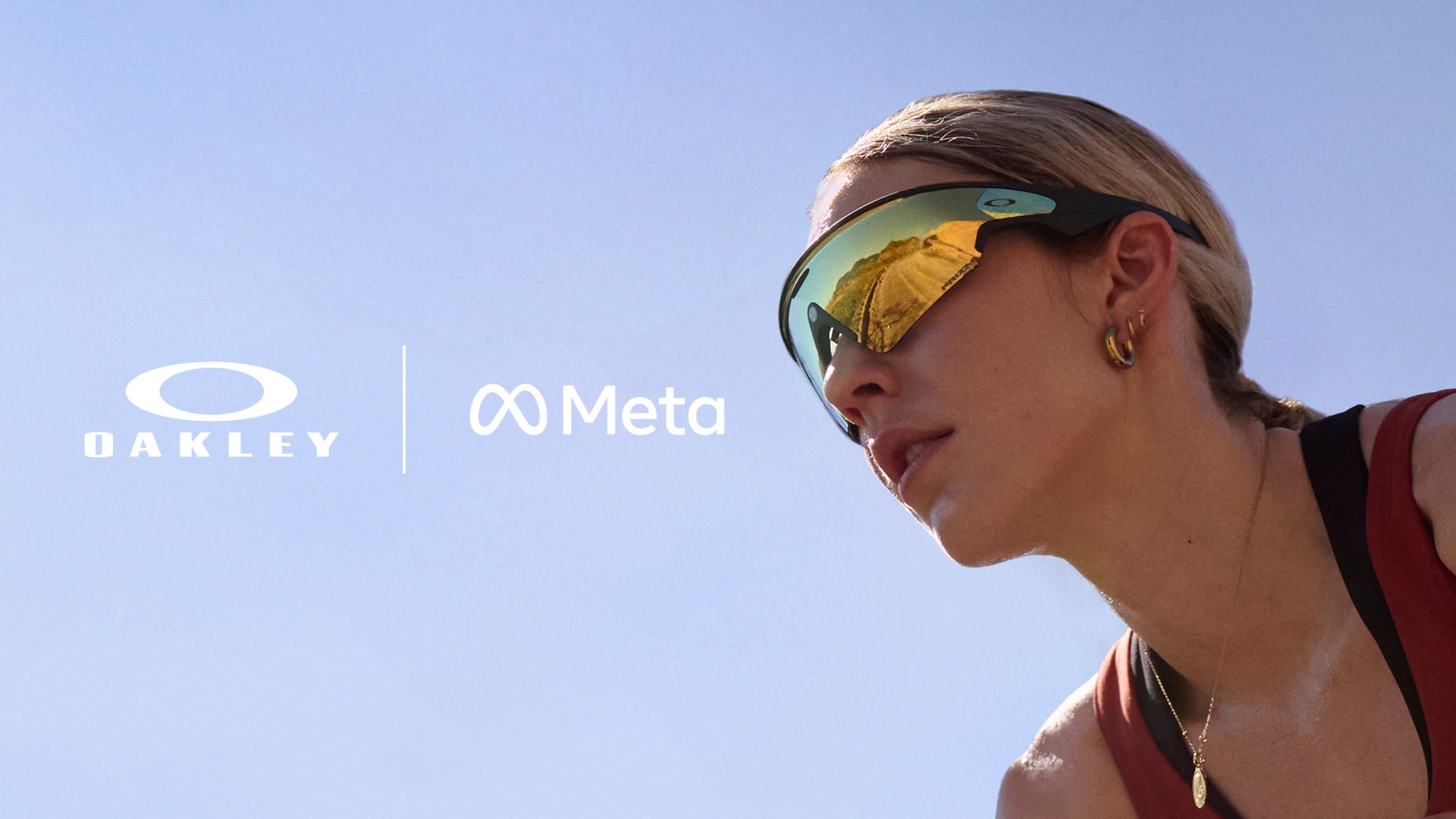
Positioning Caviar against its smart-glasses competitors reveals a stark contrast in philosophy and market approach. For example, Meta itself, with its Ray-Ban Meta and Oakley Meta HSTN lines, focuses on integrating AI and basic augmented capabilities into stylish, accessible eyewear. Meta’s strategy is broad market adoption, offering a blend of utility and fashion at prices typically ranging from $299 to $379.
Caviar, by contrast, operates at the complete antithesis. It leverages Meta's functional, mass-market platform and transforms it into a hyper-niche, ultra-luxury item. The differentiating factor is not AI sophistication or ecosystem depth, but pure, unadulterated material prestige and exclusivity. You buy Meta for the tech; you buy Caviar for the statement.
Looking at Google's ambitions with its Android XR platform and Project Astra glasses, we see a focus on pioneering next-generation AR and AI experiences, aiming for seamless digital integration with the physical world. Huawei, with its Eyewear smart audio glasses, targets a blend of discreet tech and fashion, emphasizing audio quality and basic smart functions without visual overlays. Both these companies are driven by innovation, utility, and broader market appeal. Caviar is not in this race. It does not compete on specs, on AI, or on ecosystem integration. It competes on perceived value and status alone, essentially creating a 'designer label' segment for smart glasses where none existed at this price point.
The Smart Glasses Daily verdict on Caviar's entry is clear: this is not about advancing the technology, but about extending the definition of luxury into a new category of personal tech. For the discerning few who prioritize conspicuous wealth display above all else, the Caviar Odyssey Ray-Ban Meta offers an unparalleled opportunity to fuse status with emerging AI eyewear.
Its strengths are its sheer exclusivity and its ability to tap into an existing, proven form factor that benefits from Meta's R&D. The weaknesses are equally apparent: an astronomical price for purely cosmetic upgrades, zero original technological contribution, and an extremely narrow target audience. We'll be watching to see if Caviar expands its luxury customization to other smart-glasses platforms, and whether this ultra-niche strategy can generate sustained interest beyond the initial shock value. Who, exactly, will be seen sporting $6,000 AI glasses that perform identically to a $300 pair, remains the most compelling question for the next twelve months.
Interactive guide — prices, displays, cameras, battery.
Share this story