Guides · ByteDance
ByteDance's Stealthy Smart Glasses Play: The Sleeping Giant Awakens
ByteDance, the undisputed titan of short-form video and multimodal AI, is quietly entering the smart glasses arena. Their ambition for a more persistent, immersive digital layer should put every existing player on high alert.
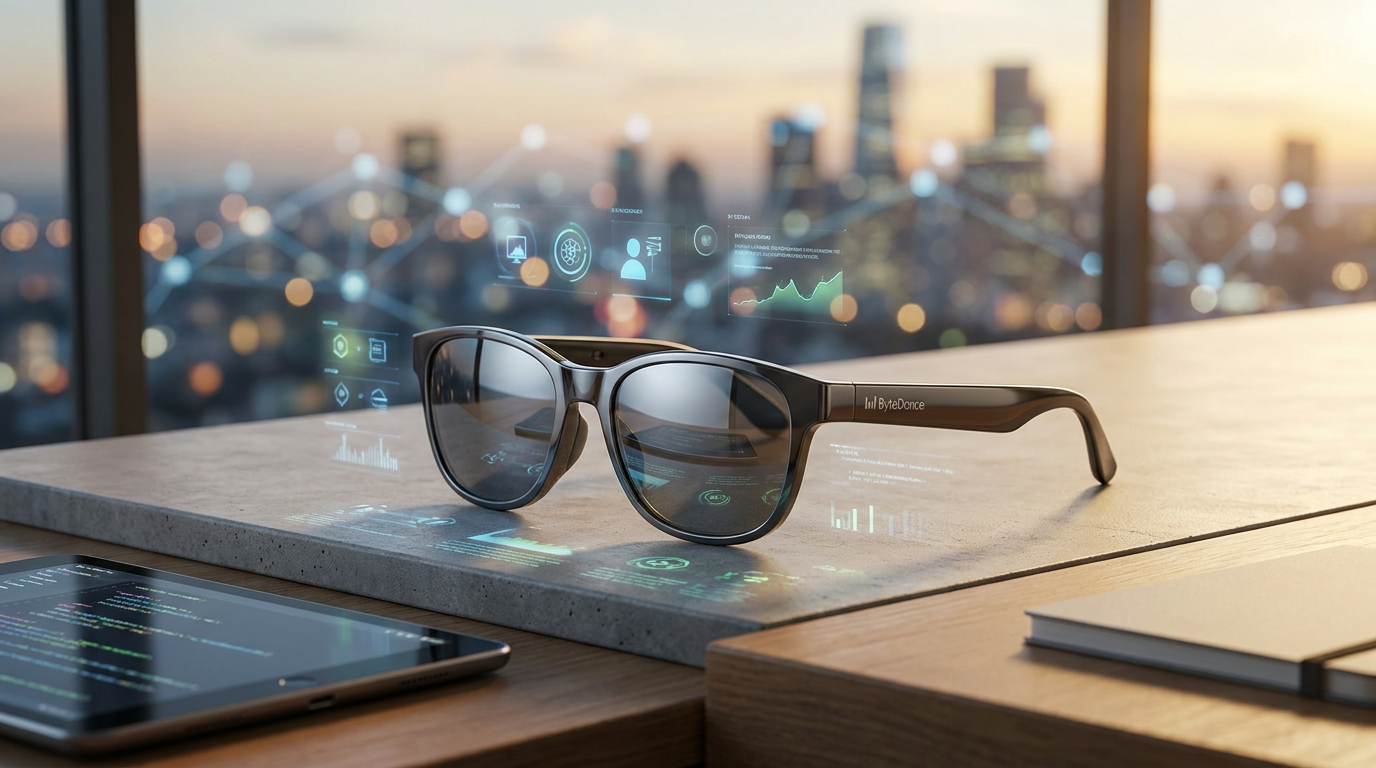
The smart glasses market, long a graveyard for overhyped promises, is finally heating up, and a new, formidable player is entering the fray: ByteDance. Yes, the parent company of TikTok and a global powerhouse in content delivery and artificial intelligence. While their entry may seem muted, it carries immense implications, signaling a looming battle for the future of ambient computing and personal augmented reality.
ByteDance's move isn't just another tech giant dipping its toes into a nascent category. It's a strategic maneuver from a company that fundamentally understands user engagement, data monetization, and the pervasive power of AI. Their existing ecosystem, comprising billions of active users, provides an unparalleled launchpad for any new hardware initiative, especially one designed to integrate deeply into daily digital life.
To understand ByteDance's potential impact, one must first grasp the sheer scale and technical prowess of the company. From its origins as a recommendation engine to its current status as a global media and AI conglomerate, ByteDance has consistently demonstrated an ability to distill complex technologies into engaging, user-friendly experiences. Their deep bench in AI, particularly in computer vision, natural language processing, and generative models, positions them uniquely to deliver truly intelligent and contextual smart glasses, far beyond mere display or camera capabilities.
This isn't a speculative play for ByteDance; it's a logical expansion. The company’s core business revolves around capturing attention and delivering rich, personalized content. Smart glasses, offering a more direct and persistent interface to digital information and experiences, align perfectly with this mission. With the AI glasses market poised for significant growth, now is the opportune moment for a company with ByteDance's resources and vision to stake its claim. They're not just selling hardware; they're extending their digital empire into the physical world.
Smart Glasses Daily is tracking ByteDance's nascent hardware entry, specifically their 'ByteDance AI Glasses.' The current public information remains conspicuously sparse. While listed as 'shipping,' any attempt to access product details via official channels results in a 'Sorry, we weren’t able to find that' error. This opaqueness is typical of a company known for its strategic secrecy, often preferring to launch with minimal fanfare before scaling rapidly.
What we know (or, more accurately, what we don't know) about the ByteDance AI Glasses is telling. The 'AI Glasses' designation strongly suggests a focus on integrated artificial intelligence beyond simple notifications or media consumption. This could encompass features like real-time translation, contextual information overlays, intelligent assistance, or advanced computer vision applications. However, without official specifications or product imagery, details on form factor, display type (AR pass-through vs. transparent display), battery life, or even the core chip powering the AI capabilities remain elusive.
Given ByteDance's history, it's highly probable that these glasses are designed for deep integration with their existing software ecosystem. Imagine real-time TikTok effects overlaid onto the world, enhanced navigation for Douyin users, or subtle, AI-driven recommendations based on your surroundings and current activities. The lack of readily available product information might indicate an enterprise-focused rollout, a limited beta, or a strategy of soft-launching before a more aggressive consumer push later this year. What is certain is that the 'AI' in the product name is the critical differentiator.
Comparing ByteDance's nascent effort to established players reveals both potential advantages and stark differences. Against Microsoft's HoloLens 2, an enterprise-grade, expensive mixed reality headset with industrial applications, ByteDance will likely target a far broader, consumer-oriented market, emphasizing wearability and AI integration over pure AR fidelity. HoloLens is about 3D data visualization and remote assistance; ByteDance will be about personal digital augmentation.
When positioned against XREAL's display-focused Air 2, Air 3, and One Pro glasses, ByteDance's advantage will undoubtedly be its AI layer and potentially its ecosystem integration. XREAL excels at delivering a high-quality personal display, ideal for media consumption or extending a smartphone screen. ByteDance's offering, even with limited public details, is expected to transcend mere display, aiming for a more intelligent, always-on assistant that deeply understands context and user intent, leveraging the company's vast AI capabilities.
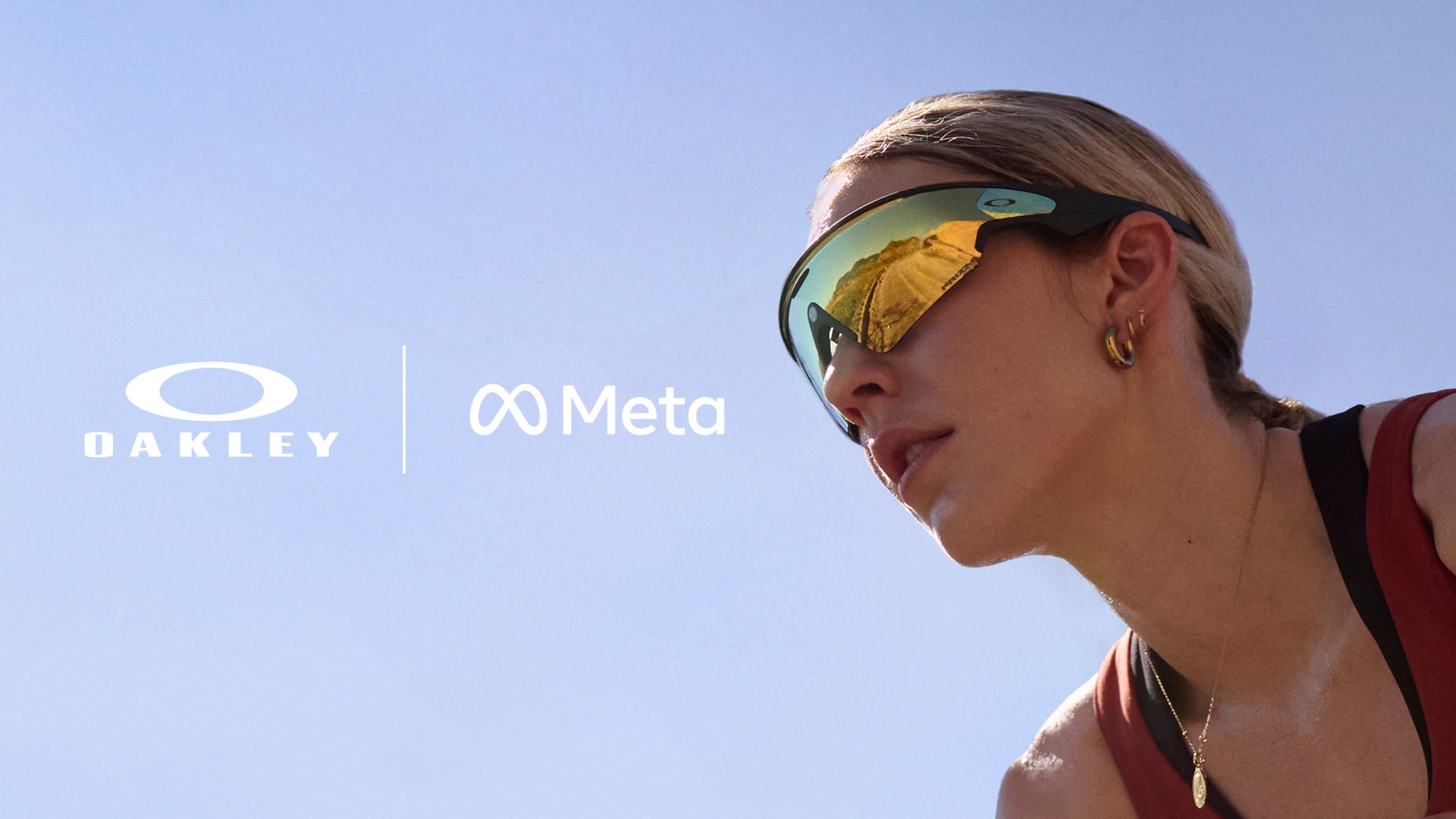
Meta's Ray-Ban Meta and Oakley Meta HSTN, with their focus on camera, audio, and social sharing, represent a closer conceptual competitor. However, Meta's strategy has been more about discreet capture and 'see-what-I-see' communication. ByteDance, with its 'AI Glasses' label, signals a product that is potentially more proactive, more deeply integrated with generative AI, and less focused on simple photo/video capture. Their potential display-enabled 'Meta Ray-Ban Display' glasses, if they ever materialize, would be a more direct head-to-head, but ByteDance already has the AI advantage and a proven ability to scale global social media.
The SGD verdict is clear: ByteDance's entry, however understated, is a seismic event for smart glasses. These 'AI Glasses' are almost certainly designed for a broad consumer audience, leveraging ByteDance's immense AI infrastructure and unparalleled understanding of user engagement. Strengths include their AI leadership, potential for deep ecosystem integration, and a track record of rapid innovation and market disruption. The primary weakness is the current lack of transparency and an unproven hardware track record in this specific category, though their PICO VR venture demonstrates hardware capability.
Who is this for? Early adopters and tech enthusiasts craving genuinely intelligent, context-aware wearables, and potentially the billions of users already embedded in the ByteDance content ecosystem. What to watch in the next 12 months: Look for a more formal product unveiling, concrete specifications detailing their AI capabilities (on-device vs. cloud-based), and crucially, how they leverage TikTok and other platforms to create unique, compelling use cases. ByteDance isn't playing for niche; they're playing for ubiquity. Every competitor should be taking notes.
Interactive guide — prices, displays, cameras, battery.
Share this story