Analysis · Apple
Apple Smart Glasses vs. Meta Ray-Ban: The Coming Wearable AI Showdown
With Cupertino actively exploring camera-equipped smart glasses, the upcoming clash with Meta will redefine everyday head-worn computing.
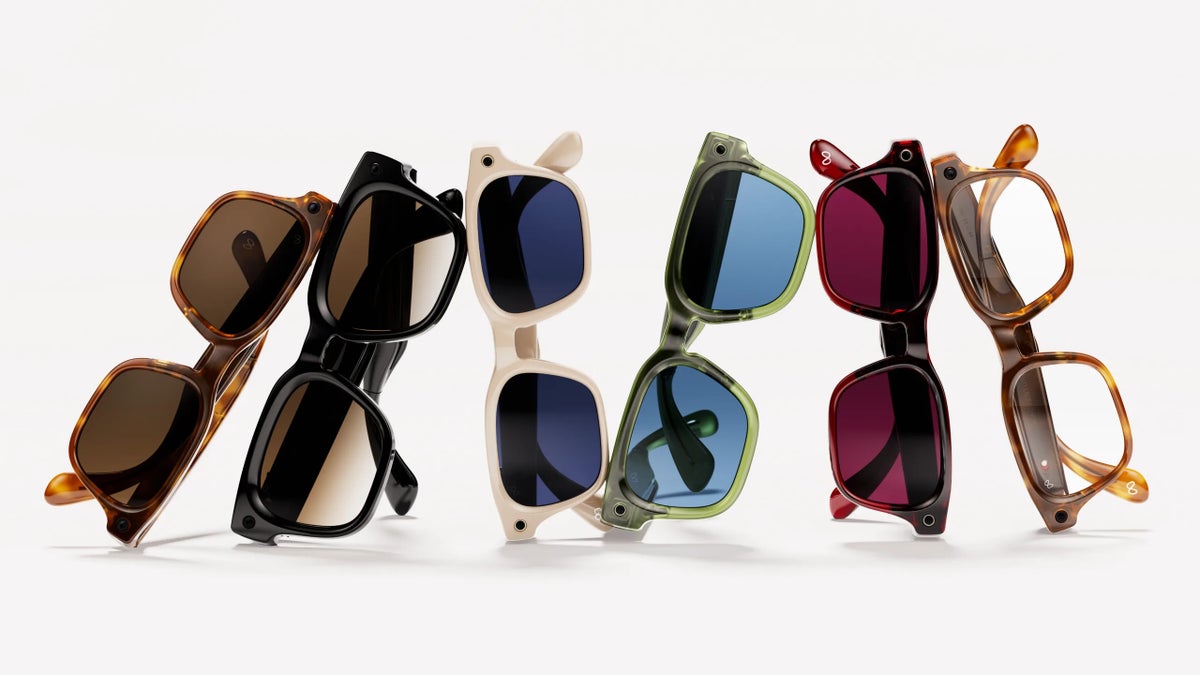
The battle lines for the face are being drawn this week as attention turns to Apple's inevitable entry into smart eyewear. As phonearena.com highlights in its examination of early concepts, Apple is preparing to square off against an entrenched category leader: the Ray-Ban Meta smart glasses. While Meta spent years iterating through public hardware experiments to find a winning formula, Apple has historically preferred waiting until a category matures before striking with refined hardware and tight ecosystem integration.
Meta currently commands the mainstream conversational AI glasses market. Built in partnership with eyewear conglomerate EssilorLuxottica, the second-generation Ray-Ban Meta frames succeeded where Google Glass and early camera spectacles failed because they prioritized looking like regular, stylish eyewear first. At a starting price of $299, the frames pack open-ear audio, ultra-wide cameras, and multimodal Meta AI into an accessory people actually want to wear in public. For Meta, that combination has driven unexpected retail momentum and made the device the de facto benchmark for ambient computing.
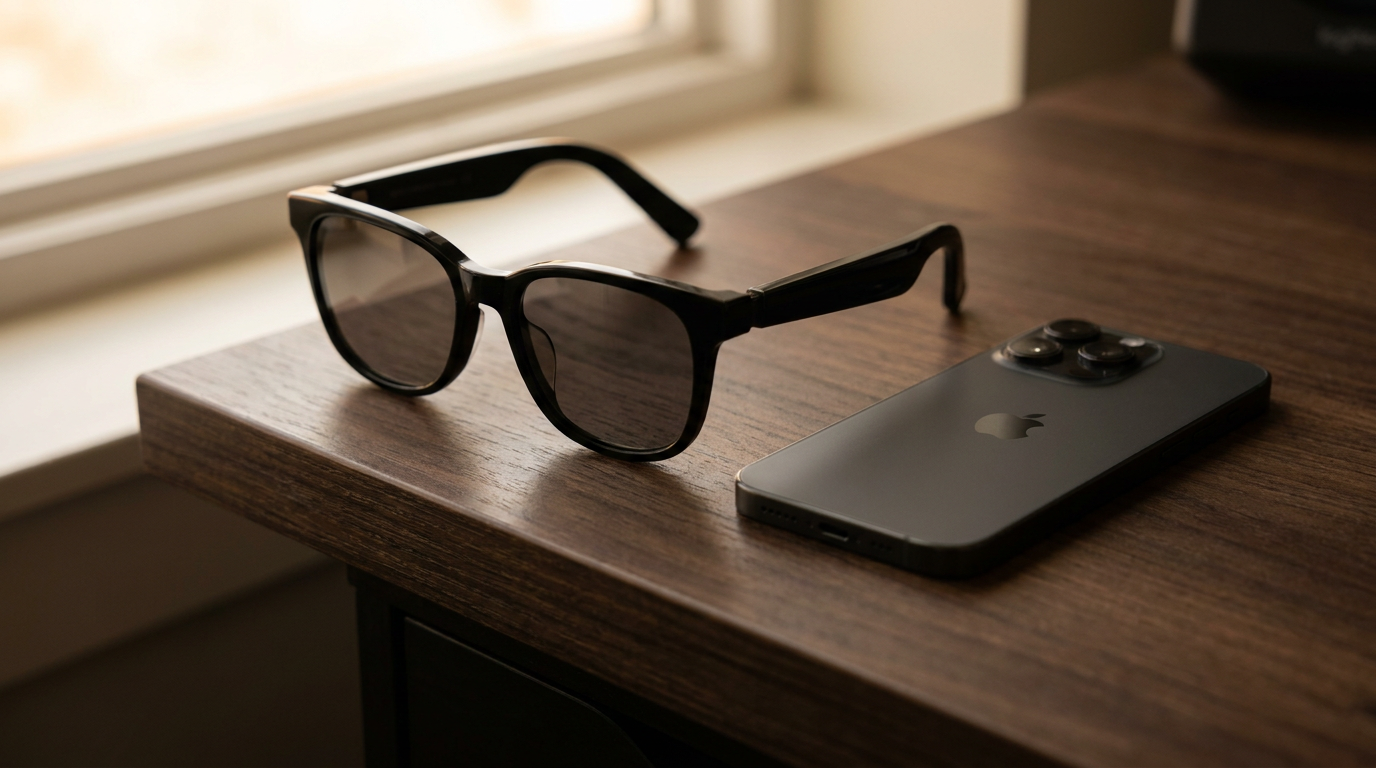
Apple, meanwhile, has been pursuing smart glasses from multiple angles. While full optical augmented reality remains years away due to thermal and battery constraints, reporting from Bloomberg has detailed Cupertino's internal studies under initiatives like Project Atlas. The tech giant is investigating displayless, sensor-rich audio glasses with embedded cameras, microphones, and speakers. Rather than attempting a bulky, self-contained spatial computer like the Vision Pro, Apple appears focused on a lightweight everyday frame designed to extend the iPhone.
How it compares: The fundamental divergence between Meta and Apple lies in hardware synergy and artificial intelligence. Meta relies on cloud-centric processing with its Llama models to deliver real-time visual search and translation. Apple, by contrast, possesses a structural advantage in custom silicon. By offloading heavy processing to an iPhone via low-latency wireless protocols, Apple could deliver sophisticated Apple Intelligence features while keeping frame weight down and battery efficiency high. However, Meta holds a critical edge in frame design and retail optics through Ray-Ban, an advantage Apple must counter if it hopes to convince users to put tech directly on their bridges.
What this means: Apple's entry will validate the smart glasses form factor on a global scale, just as the Apple Watch did for digital timepieces. For consumers, this rivalry will accelerate innovation in battery density, micro-cameras, and privacy indicators. While Meta has normalized talking to an assistant on the street, Apple brings unrivaled user trust regarding sensor data, paired with a billion-device ecosystem that can instantly sync photos, spatial audio, and reminders.
We expect the rivalry to shift from novelty specs to indispensable daily utility over the next two years. Meta is already preparing viewfinder displays and expanded gesture controls for future iterations, raising the stakes before Cupertino even announces a formal release window. When Apple finally enters the arena, it will face a competitor that is no longer guessing what works, but actively defining the space.
Interactive guide: prices, displays, cameras, battery.
Share this story