Manufacturer News · Apple
Apple Smart Glasses Pipeline Confirmed by Manufacturing Partner
An electronic equipment supplier lets slip that it is building hardware for Apple smart frames and smart earbuds, pointing toward a 2027 release window.

On November 12, 2026, reports revealed that Apple's long-rumored entry into smart eyewear received unexpected on-the-record confirmation from within its own supply chain. During a third-quarter earnings call, an electronic manufacturing equipment supplier disclosed that it is actively collaborating on Apple projects for both smart glasses and next-generation smart earbuds. The disclosure, initially picked up by ITHome and detailed by phonandroid.com, offers concrete industrial backing to rumors that Cupertino is ramping up production machinery for head-worn AI hardware.
The unnamed equipment specialist highlighted its involvement in high-precision welding, industrial computer vision inspection, and thermocompression bonding systems. According to phonandroid.com, the supplier indicated that while its semiconductor and optical communications divisions are already delivering revenue, the specialized thermocompression machinery tied to these wearable projects is projected to begin generating financial returns in 2027. The company refrained from sharing specific contract values, component specifications, or retail launch dates, but the manufacturing roadmap strongly suggests trial production runs will precede commercial availability.
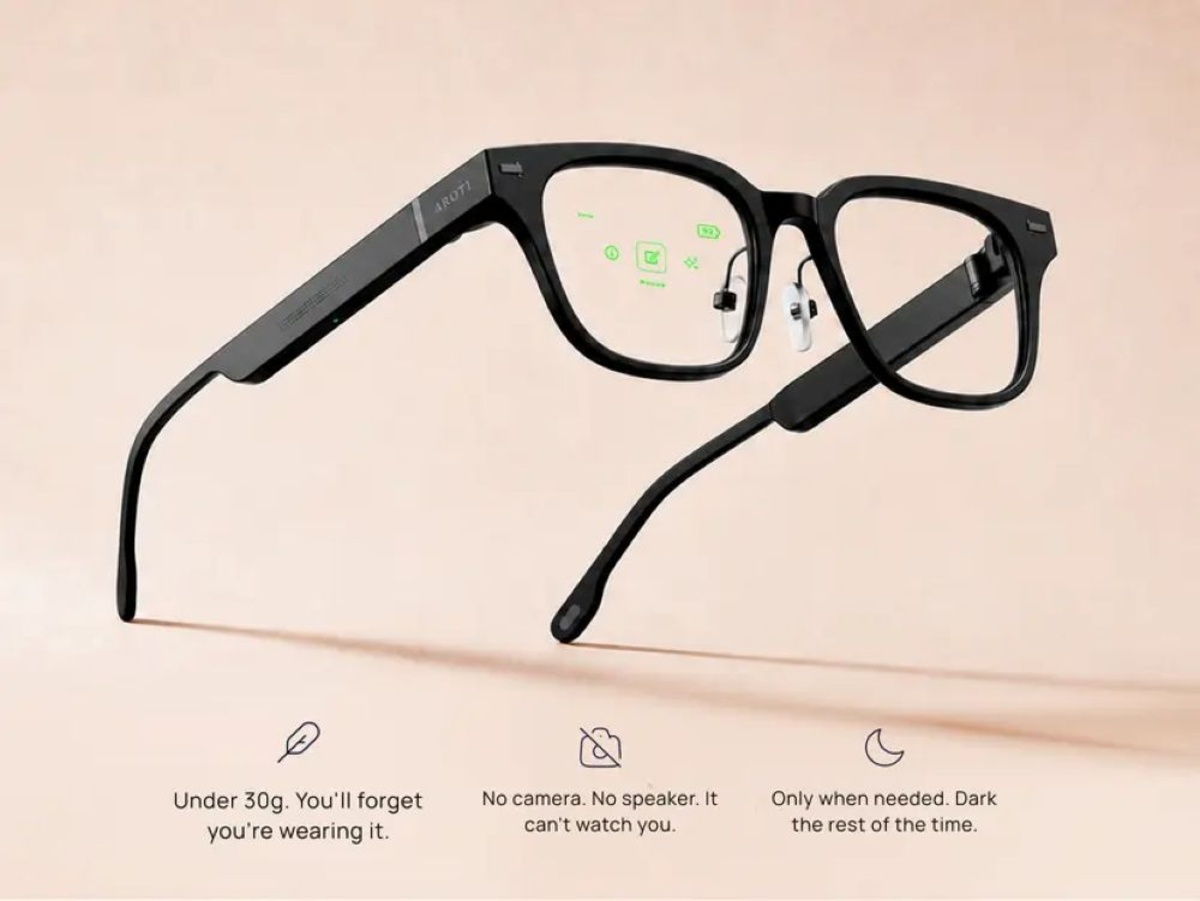
The leak sharpens the timeline for Apple's ambient computing plans. As phonandroid.com notes, previous industry leaks pointed toward lightweight frames devoid of in-lens displays, leaning instead on open-ear speakers, microphones, and camera arrays to feed visual data to an on-device assistant. While persistent rumors have also suggested Apple is developing AirPods equipped with miniature cameras, phonandroid.com observes that the supplier merely confirmed work on new smart earbuds without explicitly verifying the inclusion of camera sensors. In either case, the hardware is intended to let users translate street signs, identify landmarks, and process environmental context hands-free.
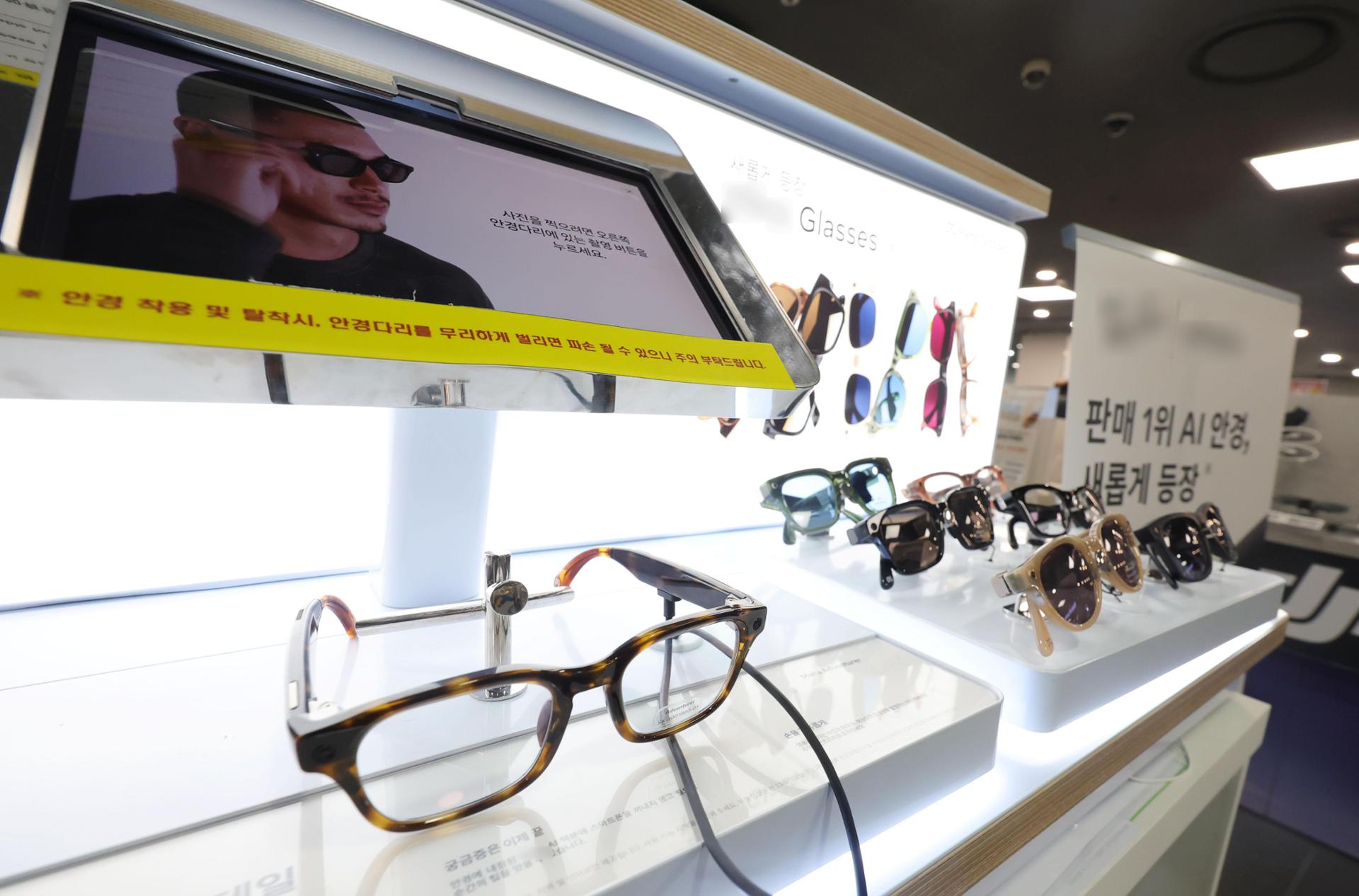
What this means: Apple is executing its classic playbook of waiting out early market turbulence before entering with polished industrial design. Meta has proven there is massive consumer appetite for stylish, display-free audio and camera frames through its Ray-Ban collaboration. By targeting 2027 for commercial monetization of its assembly equipment, Apple appears willing to let Meta, Google, and Samsung spend marketing dollars educating mainstream buyers on face-worn cameras. The real bottleneck for Cupertino is not the titanium hinges or micro-machined frames, but Siri. Delivering meaningful visual intelligence requires multimodal models that are snappy and context-aware, an area where Apple still has ground to make up.
How it compares: If Apple ships a display-less pair of smart glasses in 2027, it will enter a far more crowded landscape than the one Meta enjoyed during its early Ray-Ban launches. Rivals are already bifurcating the market: on one side are lightweight display glasses from brands like Even Realities, and on the other are camera-centric AI frames from Meta and upcoming entrants running Android XR. To justify entering without a heads-up display, Apple will need to leverage its deep ecosystem lock-in, unmatched industrial design, and tight integration with the iPhone to convince everyday users that their next pair of prescription spectacles should carry an Apple logo.
Interactive guide: prices, displays, cameras, battery.
Share this story