Guides · Anko
Anko's Shockwave: How Kmart's $89 Glasses Reshaped the Smart-Glasses Market
Kmart's ultra-affordable Anko camera glasses have ignited a privacy firestorm and an unexpected market shift. We dissect the budget newcomer that's forcing the industry to rethink accessibility and ethics.
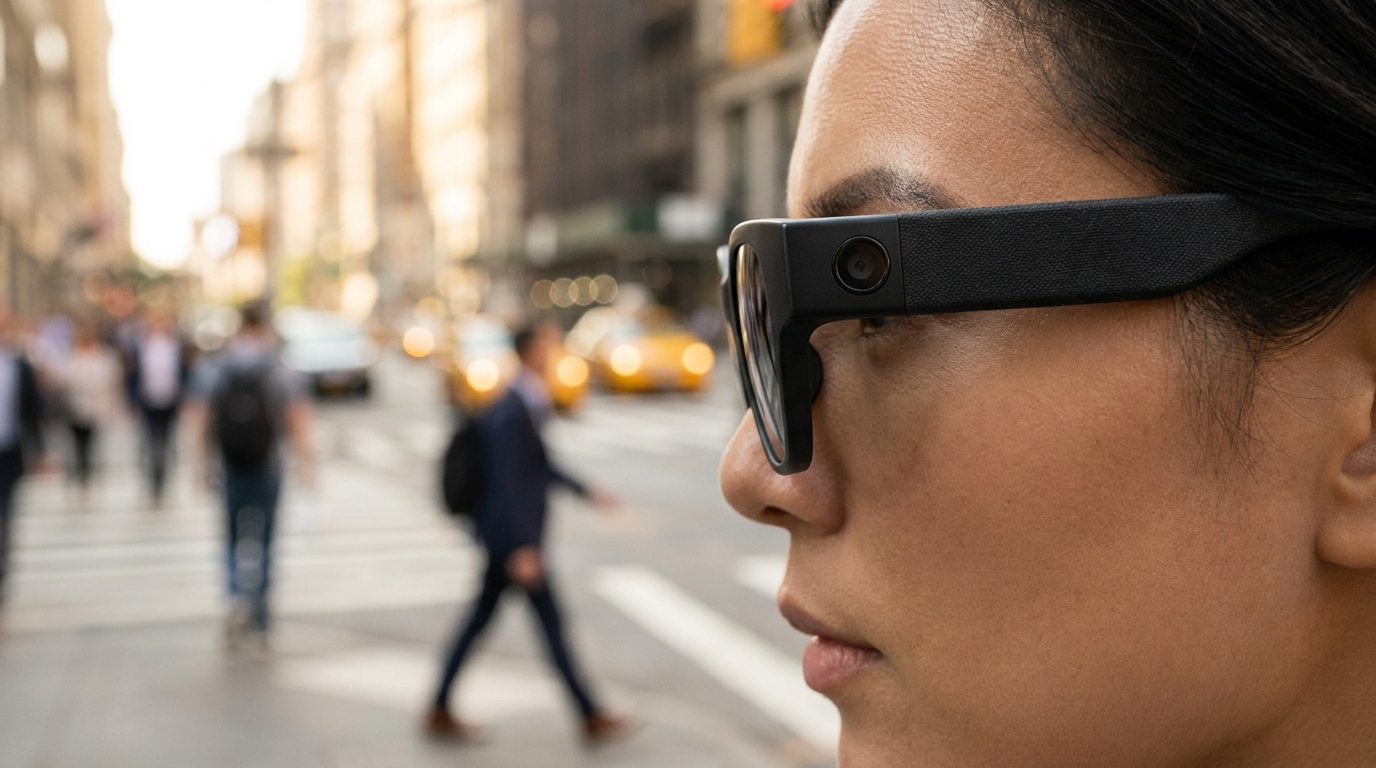
The smart-glasses market just got a jolt from the most unlikely of places: Kmart. Specifically, its house brand, Anko. The rapid sell-out of their $89 camera glasses in Australia wasn't just a retail success story; it was a loud, clear signal that the public is ready for accessible smart eyewear, even if it sparks immediate, intense privacy debates.
This isn't about groundbreaking technology or sleek design; it's about disruption through sheer affordability. Anko has unwittingly—or perhaps intentionally—democratized a nascent category, dragging it from the realm of tech enthusiasts and early adopters into the checkout aisles of mainstream retail. The question isn't whether Anko's glasses are 'good,' but what their viral success means for the entire industry.
Anko isn't a tech innovator; it's Kmart Australia's ubiquitous private label, synonymous with budget-friendly homewares, apparel, and surprisingly, an expanding range of electronics. Its brand identity is built on volume and extreme value, making products attainable for the average consumer who might never consider premium alternatives.
This move into smart glasses is a natural, if audacious, extension of Anko's mission to provide 'everyday low prices' across diverse categories. Their target segment is crystal clear: the mass market, individuals seeking novelty or basic functionality without any significant financial commitment. They're not chasing bleeding-edge; they're chasing market penetration through price.
The 'why now' for Anko is less about strategic timing and more about identifying a massive, untapped demand at the extreme low end. While tech giants pour R&D into sophisticated AR and AI, Anko simply delivered a core 'smart' function—a camera—at an impulse-buy price. The swift sell-out underscores that the barrier to entry for smart glasses wasn't just technology, but often, cost.
The product at the epicenter of this storm is simply known as 'Anko Camera Glasses.' Retailing at a mere $89 AUD (approximately $60 USD), their defining characteristic is, first and foremost, their price point.
Public information indicates the primary feature is an integrated camera, designed for hands-free photo and video capture. Details regarding resolution, field of view, or storage capacity remain elusive, highlighting the product's emphasis on minimalist function over technical specifications.
Aesthetically, the glasses are designed to appear largely indistinguishable from conventional eyewear, a factor that has fueled much of the public's privacy debate. Beyond the camera, any advanced 'smart' features—such as integrated audio, AI assistance, or display capabilities—are not publicly known or indicated. This is a basic camera in a glasses frame, period.
Anko exists in a price vacuum. Its $89 offering dwarfs Meta's Ray-Ban Meta glasses, which start at $299, or even Xiaomi's Mijia smart audio glasses, which sit in a similar mid-tier. Rokid's AR offerings, designed for immersive experiences, are in an entirely different price bracket, often in the thousands. Anko isn't just cheaper; it's in a different economic universe.
This price gap translates directly to a feature chasm. While Meta integrates Meta AI, robust audio, and a developing ecosystem, and Rokid pushes the boundaries of AR spatial computing, Anko offers only a camera. There's no AI, no app ecosystem, and no advanced display functionality. Its value proposition is singular: a camera in a frame, accessible to all.
Anko's plain, discreet design contrasts with Meta's fashionable Ray-Ban integration and Rokid's more futuristic AR visors. While Meta aims for stylish tech-forward users, and Xiaomi targets practical audio enthusiasts, Anko targets the absolute entry-level user—those who might not even realize they're entering the smart glasses market, but are simply intrigued by a low-cost gadget.
Anko's camera glasses are for the curious, the budget-conscious, and potentially, the unaware. Its primary strength is undeniable accessibility; it has lowered the barrier to entry for smart eyewear to unprecedented levels. It proves there's a latent demand for even basic smart features if the price is right, making smart glasses a common sight rather than a tech curiosity.
However, Anko's arrival is fraught with weaknesses, primarily the significant privacy concerns it has amplified due to its discreet design and lack of clear indicators when recording. Without an ecosystem, advanced features, or a clear long-term strategy, Anko’s current play is a disruptive anomaly rather than a foundational step. Watch for how established players react to this low-end pressure, and whether Anko's unexpected success prompts Kmart to develop a more robust, and ethically considered, smart eyewear roadmap. This is less about Anko's tech prowess and more about the market reckoning with a new, mass-market reality.
Interactive guide — prices, displays, cameras, battery.
Share this story