Analysis · Meta
AI Glasses Trigger a DRAM Battle as Memory Demands Quadruple
Memory makers are racing to squeeze high-efficiency LPDDR into smart eyewear frames as shipment volumes surge and on-device processing expands.
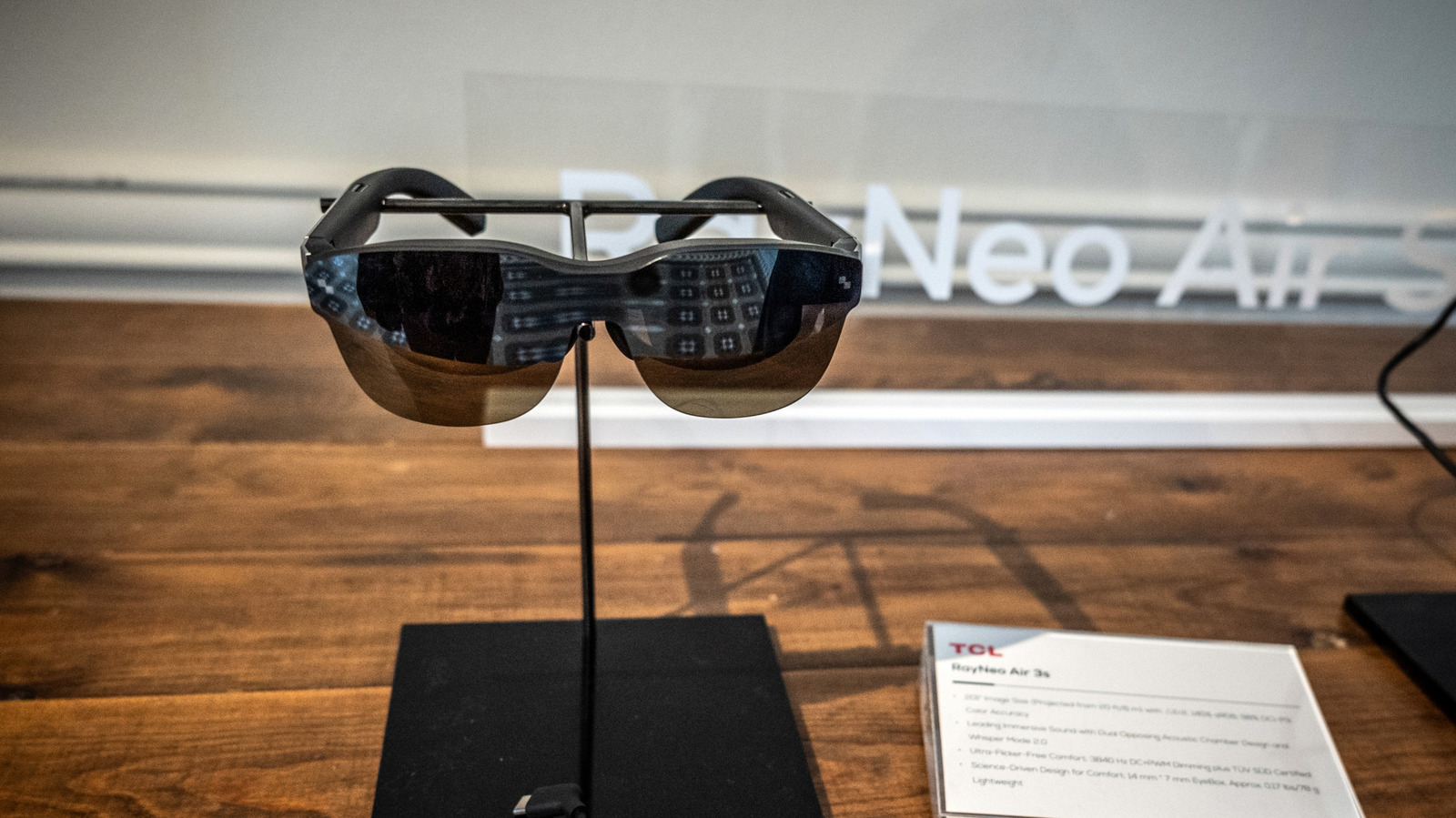
On November 21, 2026, industry data compiled by finance.biggo.com revealed that the rapid rise of AI glasses is sparking an intense semiconductor battleground, driven by a quadrupling of low-power DRAM demand across recent product cycles. As smart eyewear transitions from basic audio frames into camera-equipped visual computing platforms, memory giants like Samsung Electronics and SK Hynix are re-engineering mobile silicon to solve the category's most stubborn physical limitation: handling real-time sensor streams on tiny batteries without overheating the frame.
The immediate consumer appetite is already testing production pipelines. According to finance.biggo.com, all 16 pre-order variants of Samsung Electronics' newly unveiled AI glasses sold out early. The Samsung frames weigh approximately 41 grams and carry 2 gigabytes of working memory alongside 64 gigabytes of onboard storage. While complex machine learning queries are offloaded to a paired smartphone, the local memory must continuously unpack and process camera frames in real time. The hardware relies on Qualcomm's first-generation Snapdragon AR1 platform, which supports LPDDR4X low-power DRAM to keep weight and thermal thresholds within wearable limits.
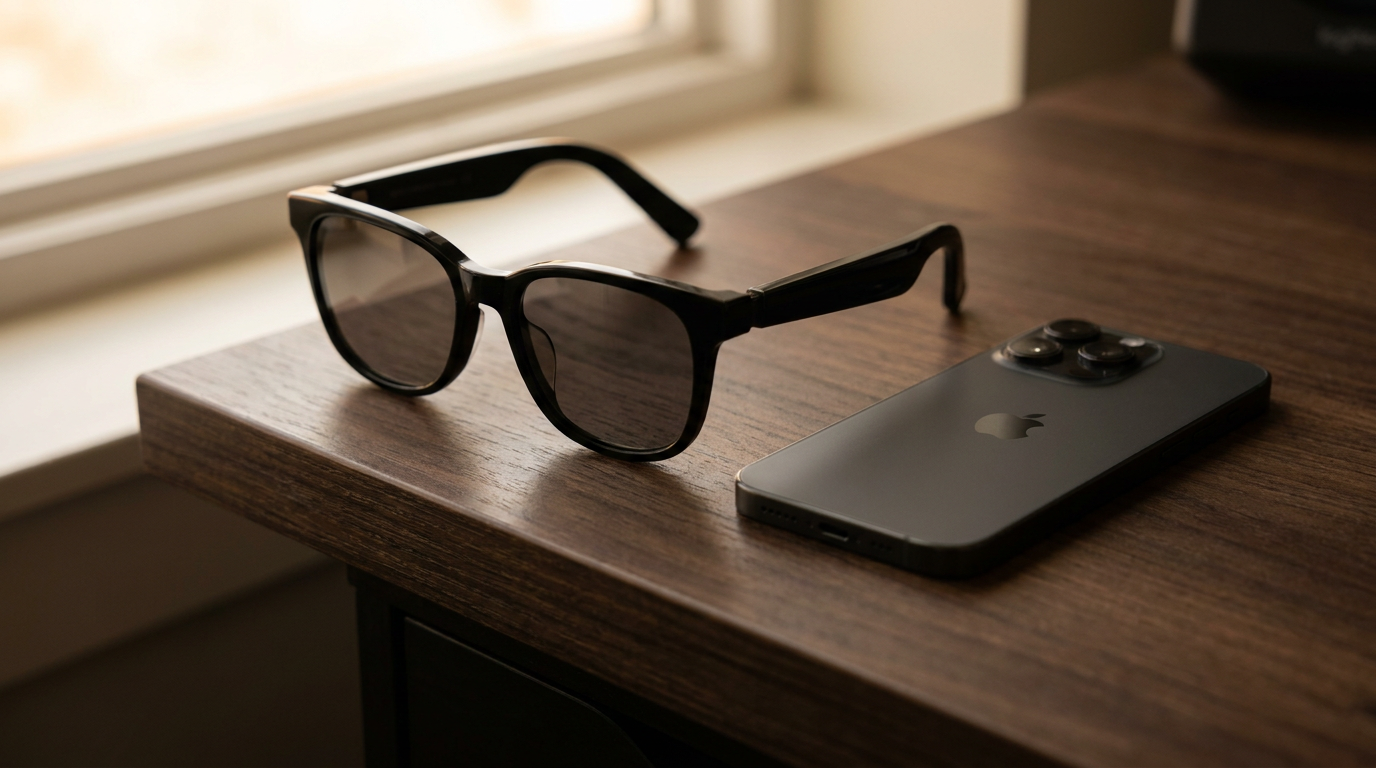
That baseline capacity has escalated rapidly over the past few years. When Meta launched its initial Ray-Ban Stories in 2021, the frames carried a modest 0.5 gigabytes of low-power DRAM. The follow-up Ray-Ban Meta glasses pushed that figure to 2 gigabytes, marking a fourfold increase in a single generational jump. As reported by finance.biggo.com citing figures from market intelligence firm Omdia, global AI glasses shipments reached 4.2 million units in the first half of this year, representing a 127 percent jump year over year. Meta accounted for roughly 3.4 million of those units, or approximately 81 percent of the market, highlighting an overwhelming platform concentration that memory vendors are eager to supply.
The next major architectural leap centers on LPDDR6 low-power DRAM. In September, Samsung validated its LPDDR6 silicon on Qualcomm's mobile platform, reporting an efficiency improvement of up to 21 percent over LPDDR5X by throttling voltage and frequency dynamically according to real-time data throughput. Rival supplier SK Hynix completed its own LPDDR6 development earlier in the year, incorporating selective data transmission channels to prevent idle power draw. High-level supply negotiations are already active: finance.biggo.com notes that SK Group Chairman Chey Tae-won met with Meta CEO Mark Zuckerberg earlier this year to discuss sourcing SK Hynix low-power memory for future wearables. Meanwhile, the report points out that Apple is preparing to introduce its own AI glasses in June next year, an entry that would dramatically increase memory procurement across the industry.
Our take: The memory crunch in smart glasses exposes the uncompromising physics of head-worn computing. Unlike smartphones, where product designers can drop in a 5,000 mAh battery to paper over unoptimized silicon, glasses face a strict limit around 40 to 50 grams before nose and ear fatigue makes them unwearable. Every read and write cycle across an always-ready camera pipeline drains scarce microwatts. If Omdia's projection of 35 million annual smart glasses shipments by 2030 holds true, low-power DRAM efficiency will be the primary bottleneck separating glasses that provide seamless visual context from those that spend their afternoons dead in a charging case.
Interactive guide: prices, displays, cameras, battery.
Share this story