Guides · ActiveLook
ActiveLook's Hyper-Focused Vision: Performance Data on the Edge
As the smart glasses market chases generative AI and immersive AR, ActiveLook carves a sharp niche: purpose-built HUDs for elite athletes, delivering data without distraction.
The smart glasses landscape is currently obsessed with the expansive promises of generative AI and spatial computing. OEMs from Google to Brilliant Labs are sketching visions of multimodal conversational assistants and AR overlays that reshape our reality. Yet, amid this grand ambition, a new entrant arrives with a starkly different, almost minimalist, proposition: ActiveLook. They're not here to augment your intelligence or blend digital with physical in complex ways. They're here to put your split times and heart rate precisely where you need them: in your line of sight.
ActiveLook is making a deliberate bet that utility, not ubiquity, defines the next wave of wearable tech. Their approach centers on lightweight, high-endurance head-up displays (HUDs) designed for athletes. This isn't a scaled-down AR experience; it’s a focused tool for performance data delivery. By eschewing broad functionality for deep specialization, ActiveLook presents a compelling case for smart glasses as critical instruments, not just digital companions.
ActiveLook emerges from the expertise of MicroOLED, a well-established player in high-performance micro-displays. For years, MicroOLED has been a quiet force in specialized optical systems, supplying critical components for everything from medical devices to professional sports optics. ActiveLook represents their strategic pivot from a B2B component supplier to a direct-to-consumer brand, leveraging their display prowess to address a specific, underserved market.
This move isn't merely opportunistic; it's a calculated response to the maturing capabilities of miniaturized optics and energy efficiency. ActiveLook targets endurance athletes—runners, cyclists, and triathletes—who demand immediate, unobtrusive access to vital performance metrics. For these users, every gram and every second of battery life counts, and distraction is the enemy of peak performance.
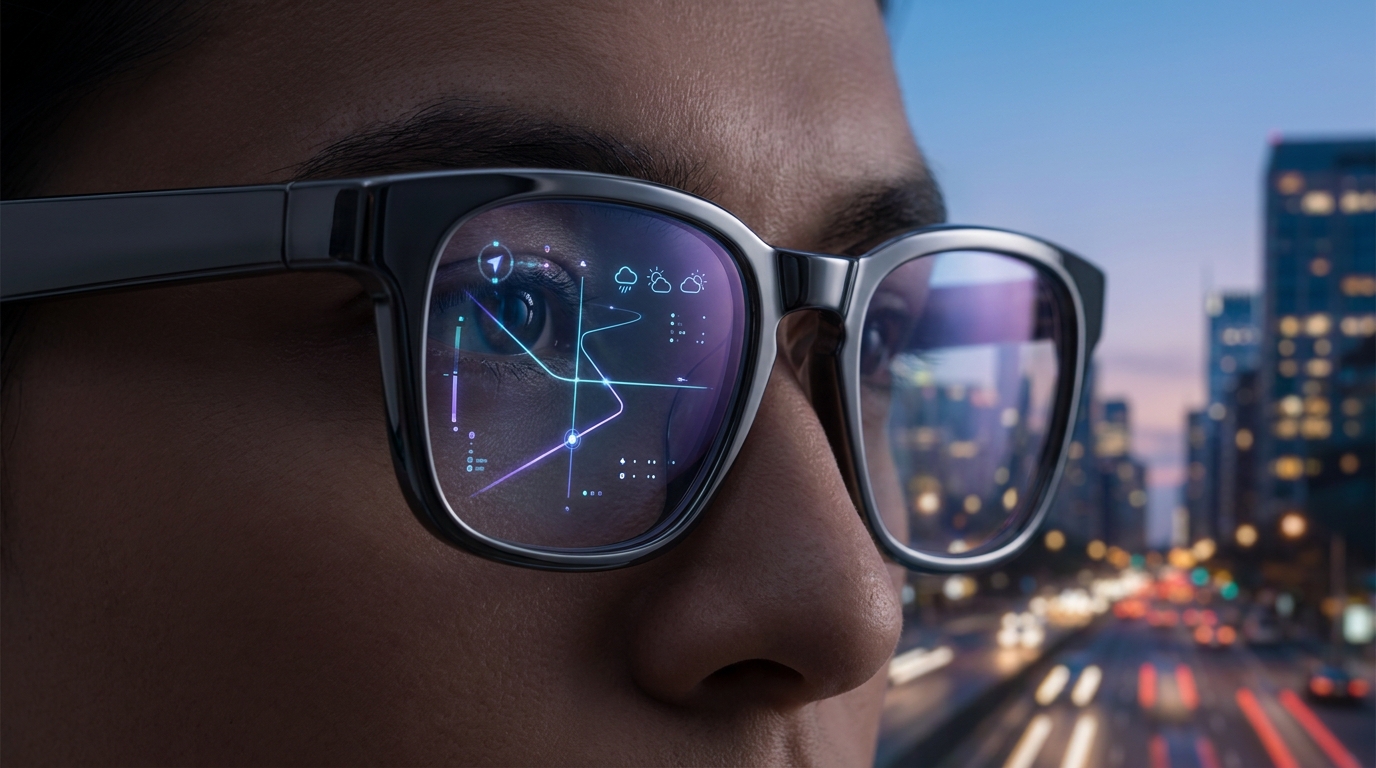
Their philosophy is clear: deliver actionable data directly into the user's field of view, minimizing head movement and cognitive load. While other players grapple with complex UI/UX for general AR, ActiveLook is perfecting the art of a clean, real-time data stream, colored and zoned for instant interpretation. It's about empowering athletes to make split-second decisions based on live biometric and performance data.
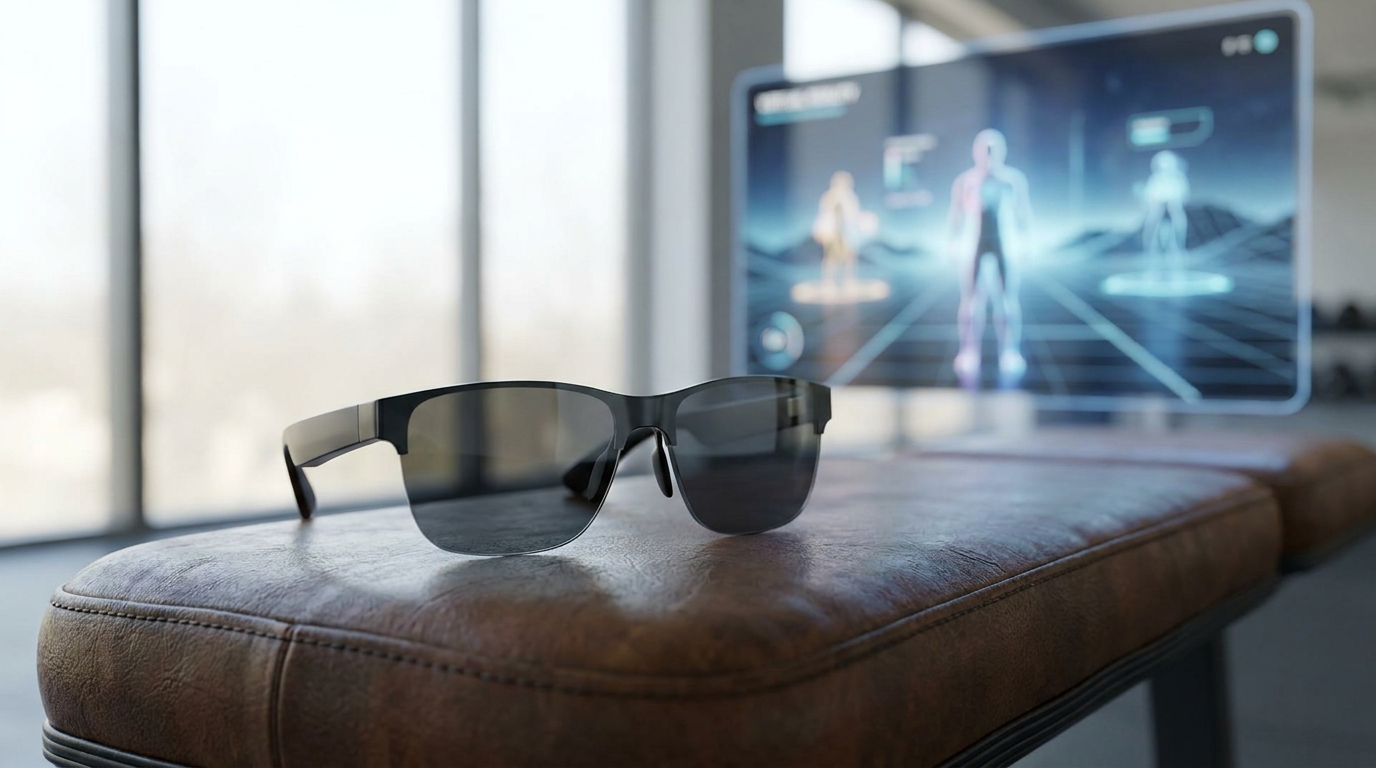
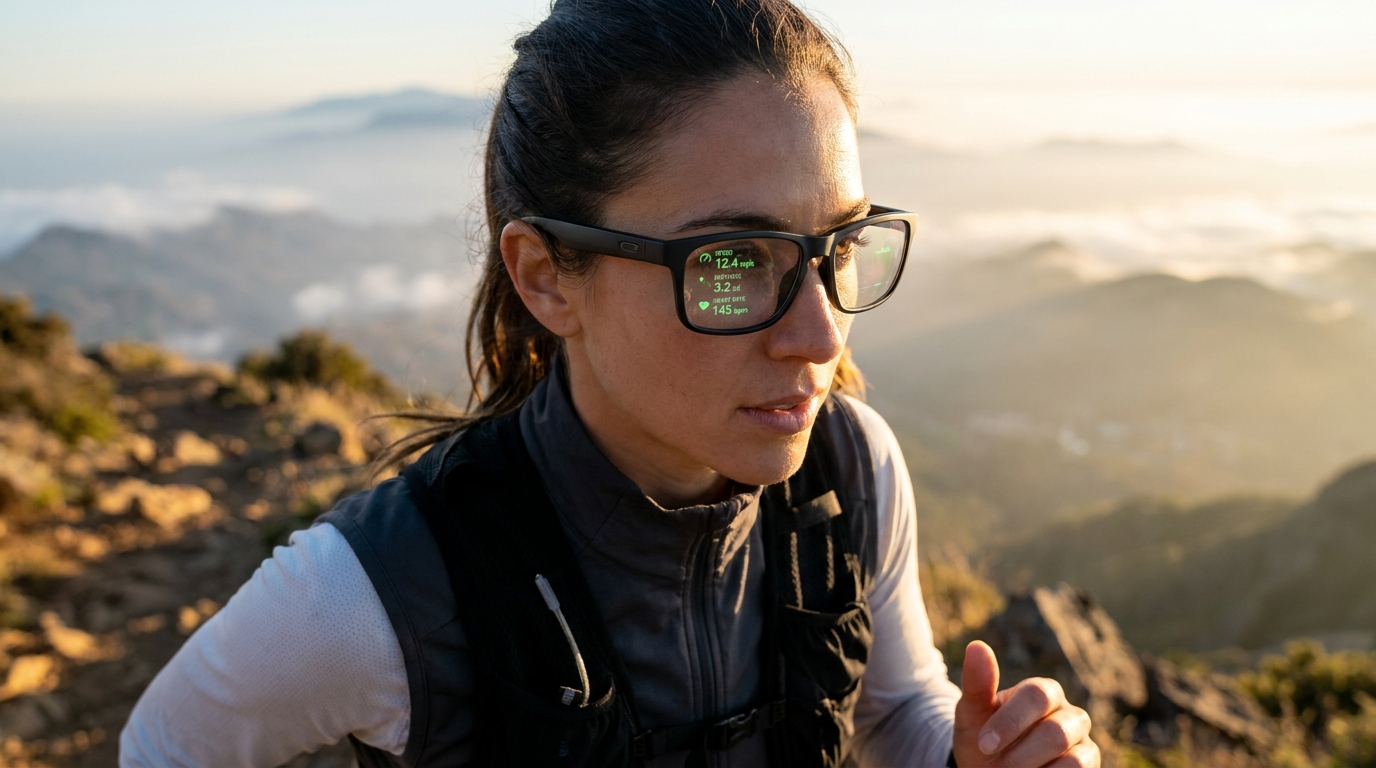
At the forefront of ActiveLook's consumer launch is the ENGO 3, a pair of smart glasses meticulously engineered for the demands of high-performance sport. Billed specifically for runners and cyclists, the ENGO 3 doesn't just show data; it integrates it seamlessly into the athletic experience, ensuring key metrics are always present without obstructing the path ahead.
The ENGO 3 boasts impressive specifications for its category. Weighing a mere 38.5 grams, they are among the lightest smart glasses with an integrated display. Priced at $399, they position themselves as a premium piece of performance gear. Central to its appeal is the multi-color ActiveLook HUD, which projects dynamic data directly into the user’s vision, sustained by an exceptional 20-hour battery life—a critical feature for long training sessions and endurance events.
Beyond the core specs, the ENGO 3 is packed with sport-specific features. Athletes can monitor over 40 data fields, including pace, heart rate, and power output, displayed with intuitive red-to-green zones for immediate feedback on intensity. An ambient light sensor automatically adjusts display brightness, ensuring readability in diverse conditions, from pre-dawn runs to bright midday rides. The "shipping" status confirms its availability, moving it from concept to concrete product.
In a market increasingly dominated by broad-spectrum AI and AR ambitions, ActiveLook's ENGO 3 stands out by virtue of its intense focus. Its competitive landscape is less about direct feature-for-feature comparison with general-purpose devices and more about defining a new category of intelligent, athletic eyewear.
When placed against players like Brilliant Labs' Frame, which emphasizes open-source AI and multimodal interaction, ActiveLook occupies a different universe. Frame targets intellectual curiosity and developer engagement; ENGO 3 targets physical performance. Similarly, Google’s Project Astra glasses and their broader Android XR platform speak to a future of ubiquitous computing and immersive AR. ActiveLook, in contrast, offers a precise, immediate solution to a well-defined problem, foregoing the sprawling ecosystem play for surgical utility at a fraction of the conceptual complexity or potential price point.
Sony, a major force in micro-OLED technology (like their SRG-X1 units) and XR partnerships, often operates at the component and platform level. While ActiveLook likely benefits from advancements made by companies like Sony in display miniaturization, ActiveLook itself is a product brand delivering a complete, user-ready solution. Sony facilitates the building blocks; ActiveLook builds the focused device. This distinction highlights ActiveLook as a practical innovator, translating cutting-edge component tech into a specialized consumer product rather than an ecosystem or foundational technology.
The Smart Glasses Daily verdict on ActiveLook's ENGO 3 is clear: this is not for the casual tech enthusiast seeking a futuristic AI assistant or an immersive AR portal. It is for the serious athlete, the data-driven runner, the dedicated cyclist who demands critical performance metrics delivered reliably, unobtrusively, and with minimal impact on weight or battery life. Its strengths lie in its extreme lightweight design, phenomenal battery life for a HUD, and its singular, effective focus on athletic data visualization.
However, ActiveLook's hyper-specialization is also its primary weakness in the broader smart glasses conversation. It lacks the broader appeal, ecosystem, and general utility of multimodal AI glasses. The challenge for ActiveLook in the next 12 months will be to prove the enduring demand for such a specific product. We'll be watching to see if they expand their platform to other sports, deepen integration with popular fitness ecosystems, or maintain their sharp focus while pushing the boundaries of HUD performance. Their success will be a testament to the power of niche innovation in a market often swayed by grand, generalized visions.
Interactive guide — prices, displays, cameras, battery.
Share this story