Manufacturer News · Xiaomi
Xiaomi Debuts Audio Smart Glasses, Targets Ray-Ban Meta Market
Xiaomi expands availability of its Mijia Smart Audio Glasses, betting on open-ear sound, voice recording, and long battery life over onboard cameras.
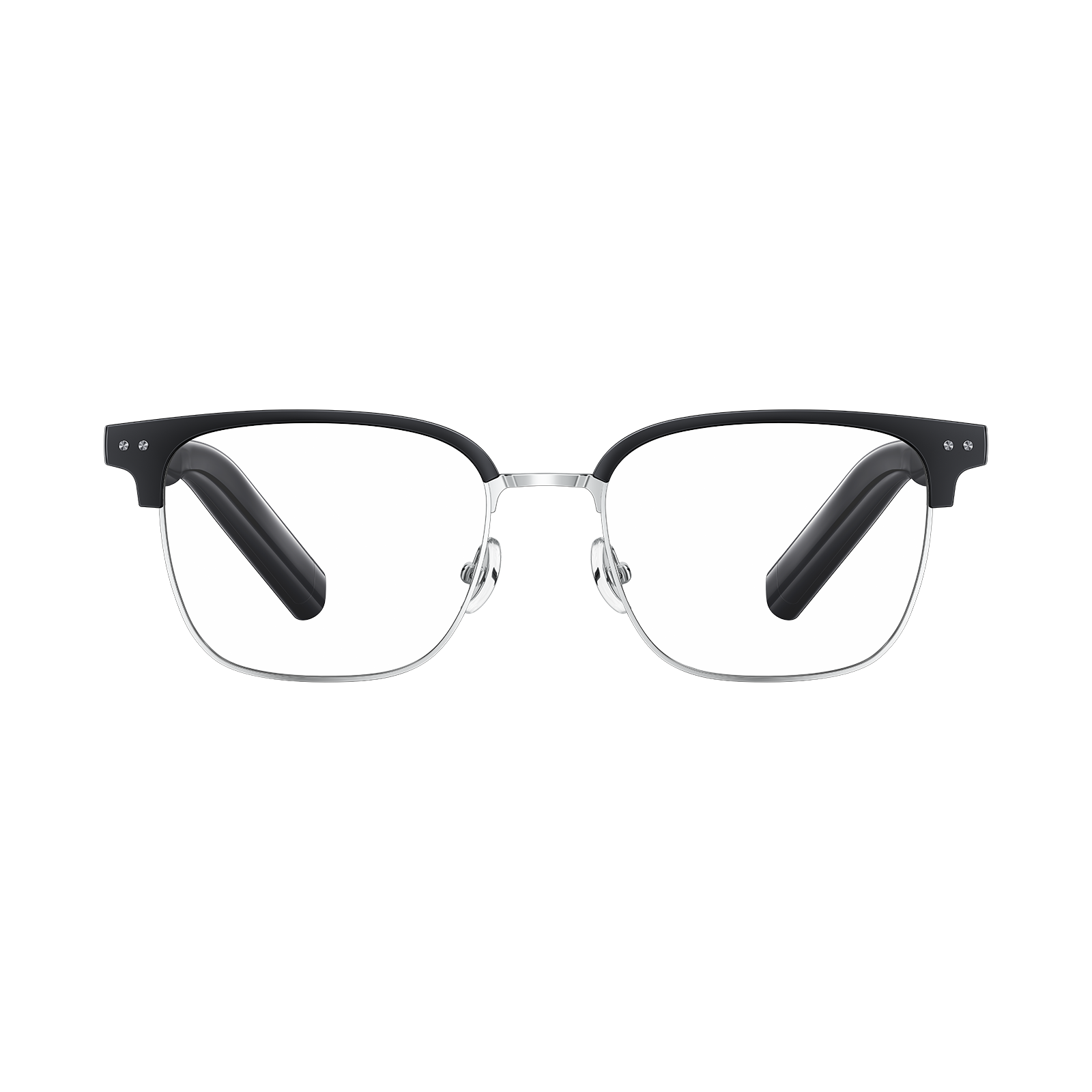
On August 17, 2026, Xiaomi officially launched its Mijia Smart Audio Glasses into broader European retail channels, challenging the dominant narrative around camera-heavy smart eyewear. While competitors rush to integrate multimodal vision sensors, Xiaomi is steering in a distinctly different direction: stripping away cameras entirely to prioritize daily battery endurance, subtle styling, and open-ear audio.
The core value proposition centers on acoustic comfort and unobtrusive industrial design. Xiaomi equips the frames with directional speakers targeted directly at the listener's ear canal, allowing personal audio playback and phone calls without occluding the ears. This open-ear design ensures users stay aware of traffic, office chatter, and transit announcements. To handle phone calls in crowded public spaces, the temples feature dual-microphone arrays backed by ambient noise-reduction algorithms intended to isolate vocal frequencies from wind and background bustle.
Despite packing electronics into frame temples that measure just 5 millimeters thick, the Mijia Smart Audio Glasses integrate several standalone smart utilities. Wearers can interact with a responsive voice assistant to dictate messages, manage reminders, and initiate calls hands-free. Additionally, Xiaomi has included a dedicated onboard audio recording feature. Users can activate continuous voice logging directly from the temple controls, transforming the eyewear into an immediate dictaphone for lectures, quick memos, or meeting notes without fumbling for a mobile phone.
Video on Instagram
Battery endurance represents the biggest technical dividend of omitting video sensors. Xiaomi rates the Mijia frames for up to 13 hours of continuous audio playback on a single charge. By comparison, camera-equipped models like the Ray-Ban Meta typically offer around four hours of mixed use before needing a recharge in their case. As Le Figaro reports, the glasses have surfaced on European storefronts including Amazon at a retail price of 234.54 euros, backed by standard return policies.
Our take: Xiaomi is playing a very smart long game here. Smart glasses do not need to solve computer vision or display optical waveguides to be genuinely useful right now. By positioning the Mijia frames as a direct replacement for both prescription spectacles and wireless earbuds, Xiaomi targets consumers who find camera glasses either too creepy or too battery-starved for all-day wear. At roughly 235 euros, the frames sit in an accessible middle ground, offering a compelling alternative for office workers, commuters, and students who want heads-up audio without wearing earbuds all day.
The broader implication is clear: the audio-only smart eyewear category is far from dead. While tech giants race toward lightweight AR displays and real-time visual AI, Xiaomi is proving that refining core audio ergonomics, extended battery life, and svelte frame dimensions can deliver practical value today. The true test for the Mijia glasses will be sound leakage prevention at high volumes and how seamlessly Xiaomi supports prescription lens swaps across global markets.
Interactive guide: prices, displays, cameras, battery.
Share this story