News · Meta
US Law Enforcement Wary of Meta Smart Glasses for Covert Recording
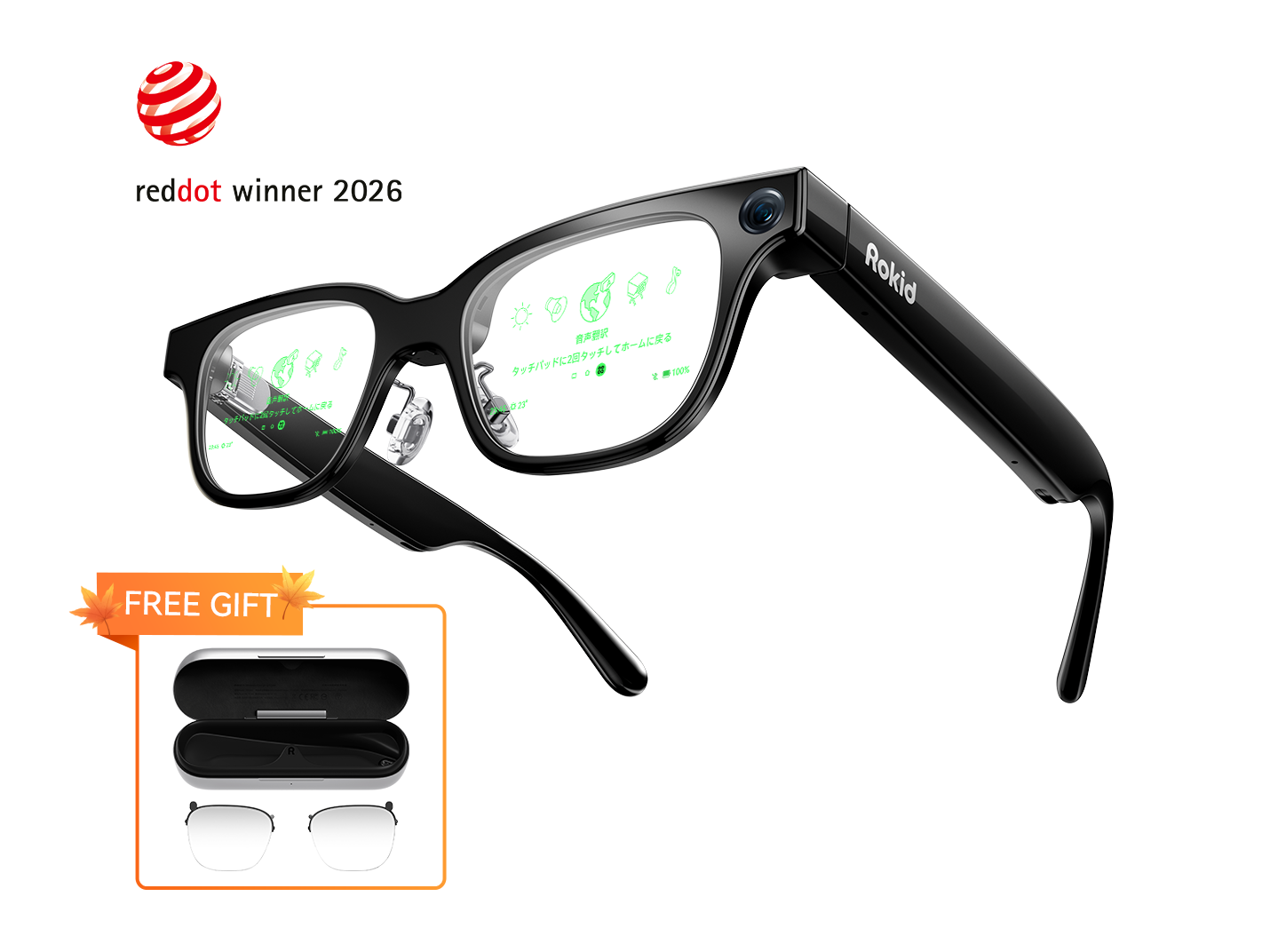
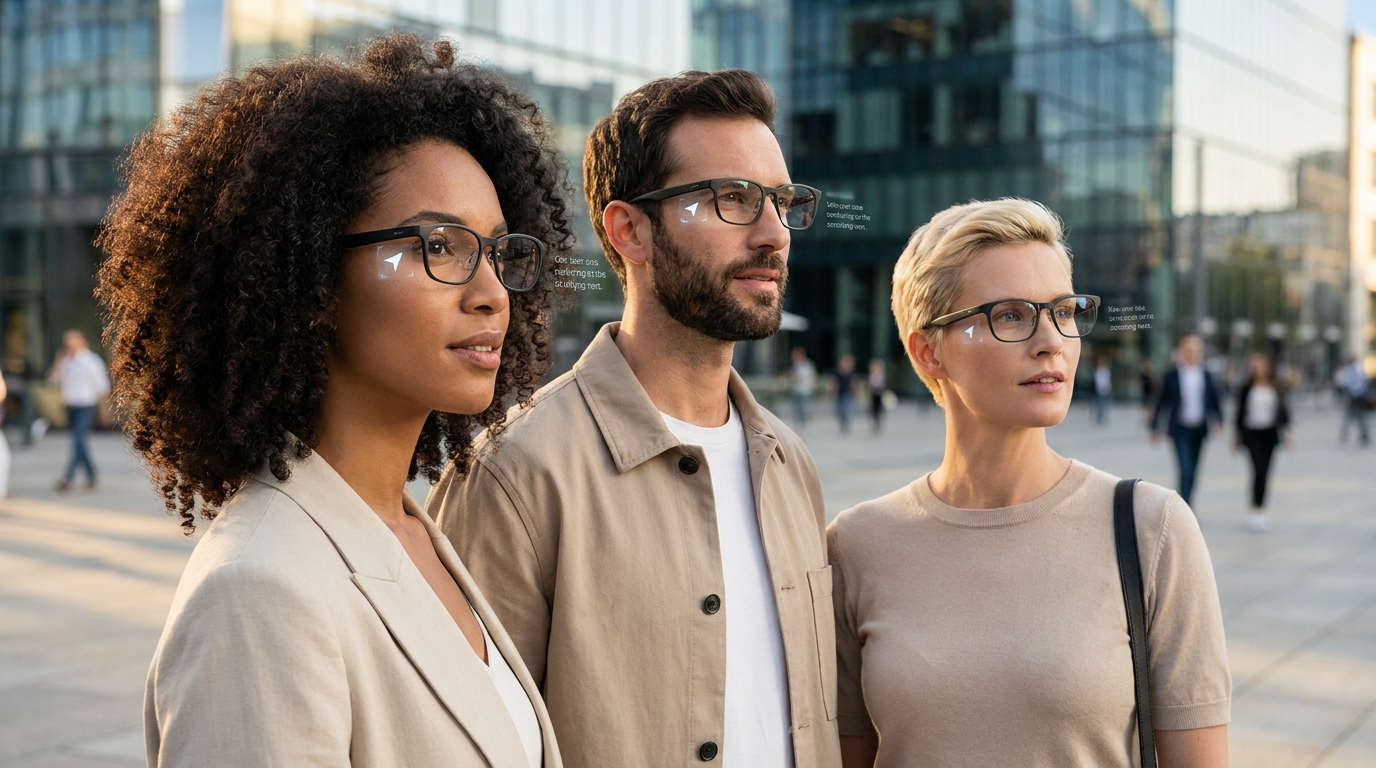
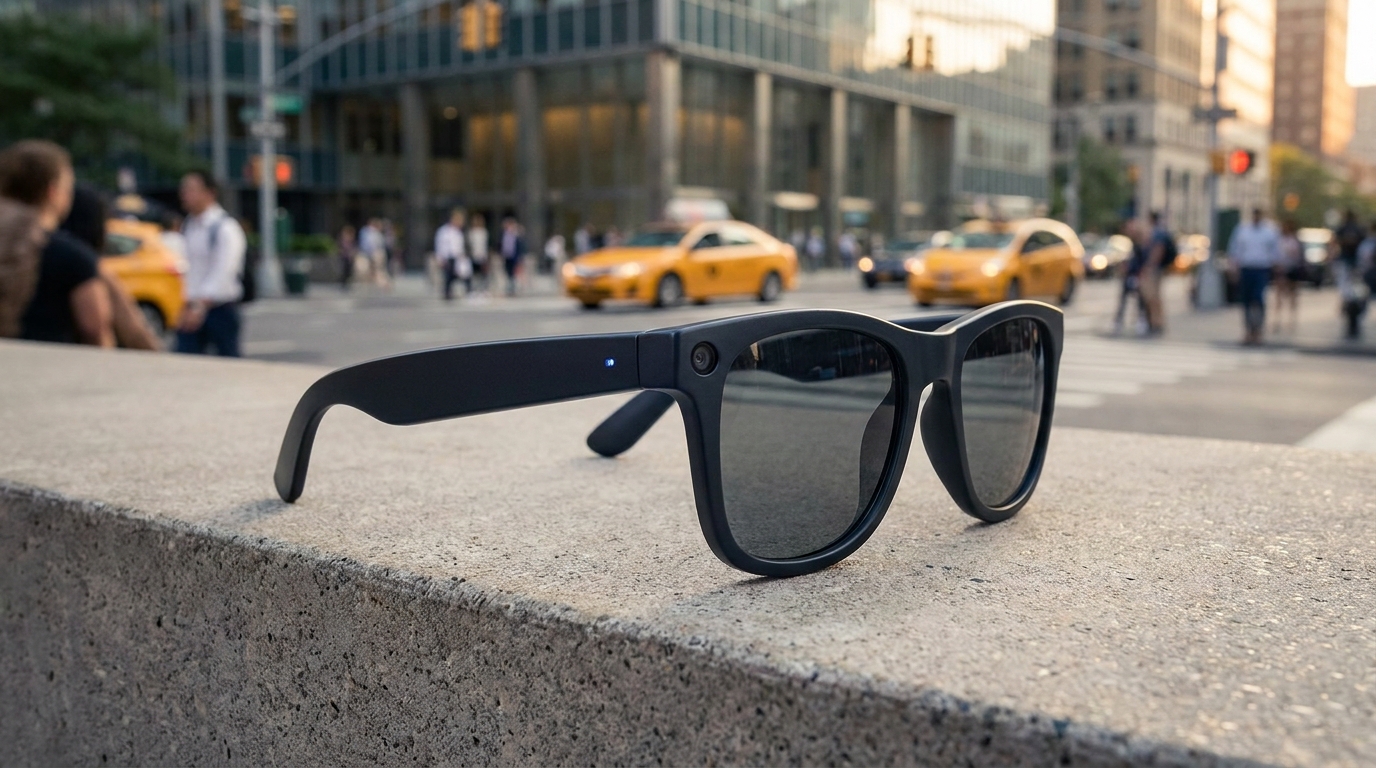
Law enforcement agencies across the U.S. are increasingly concerned about Meta's camera-equipped smart glasses. Newly reviewed documents suggest officers fear the devices could enable secret recordings or aid in terrorism.
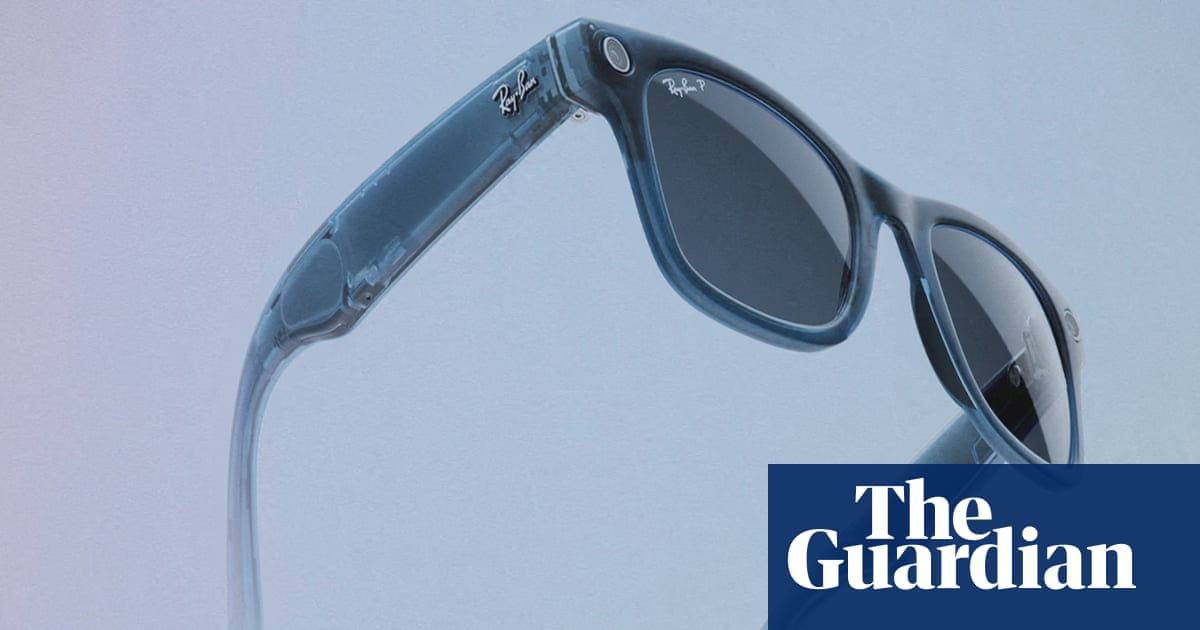
On September 8, 2026, concerns among U.S. law enforcement agencies regarding Meta's smart glasses came to light. The Guardian reports that police fear these camera-equipped devices could be exploited for covert recording or to facilitate criminal acts.
The New York Police Department's counter-terrorism unit issued a memo in January, flagging Ray-Ban Meta glasses as a potential "security and counterintelligence" threat. This directive, according to the Guardian, instructed officers to "conduct thorough inspections of all eyewear permitted within inmate cells," fearing arrestees could use the integrated cameras and microphones to record inside police facilities. The memo cited social media videos as evidence.
This NYPD directive is not isolated. The Guardian reviewed over a dozen previously unreported documents showing a nationwide apprehension. Officers from Maine to California reportedly worry about the technology being used to secretly record personnel and facilities or to assist in crimes and acts of terrorism. One particular incident, highlighted by the Guardian, involved a TikTok video from July 2025, allegedly filmed with smart glasses inside a South Carolina detention center facing a federal investigation over unsafe conditions.
The TikTok user, reportedly unaware of the recording capabilities of the Meta glasses, narrated, "Everyone here is trying to figure out what's going on with my glasses, why my light is blinking." The video, as described by the Guardian, depicted a dingy shower, holding cells, an overcrowded cafeteria, and other detainees sleeping or eating, seemingly without their knowledge of being filmed.
Our take: The rising adoption of unobtrusive smart glasses presents a complex privacy challenge for public and secure spaces. While the ability to document potentially unsafe conditions, as seen in the South Carolina example, can serve a public good, the potential for misuse in sensitive environments is clear. Law enforcement's concerns, while legitimate, also highlight the ongoing tension between transparency, security, and personal technological freedom.
Interactive guide — prices, displays, cameras, battery.
Share this story