Analysis · —
The Untethered Future: Open-Source Glasses for Hackers and Builders
Big Tech struggles with trust and form factor, but a new modular paradigm is emerging. This shift, coupled with privacy-first AI, empowers a generation of smart glasses innovators.
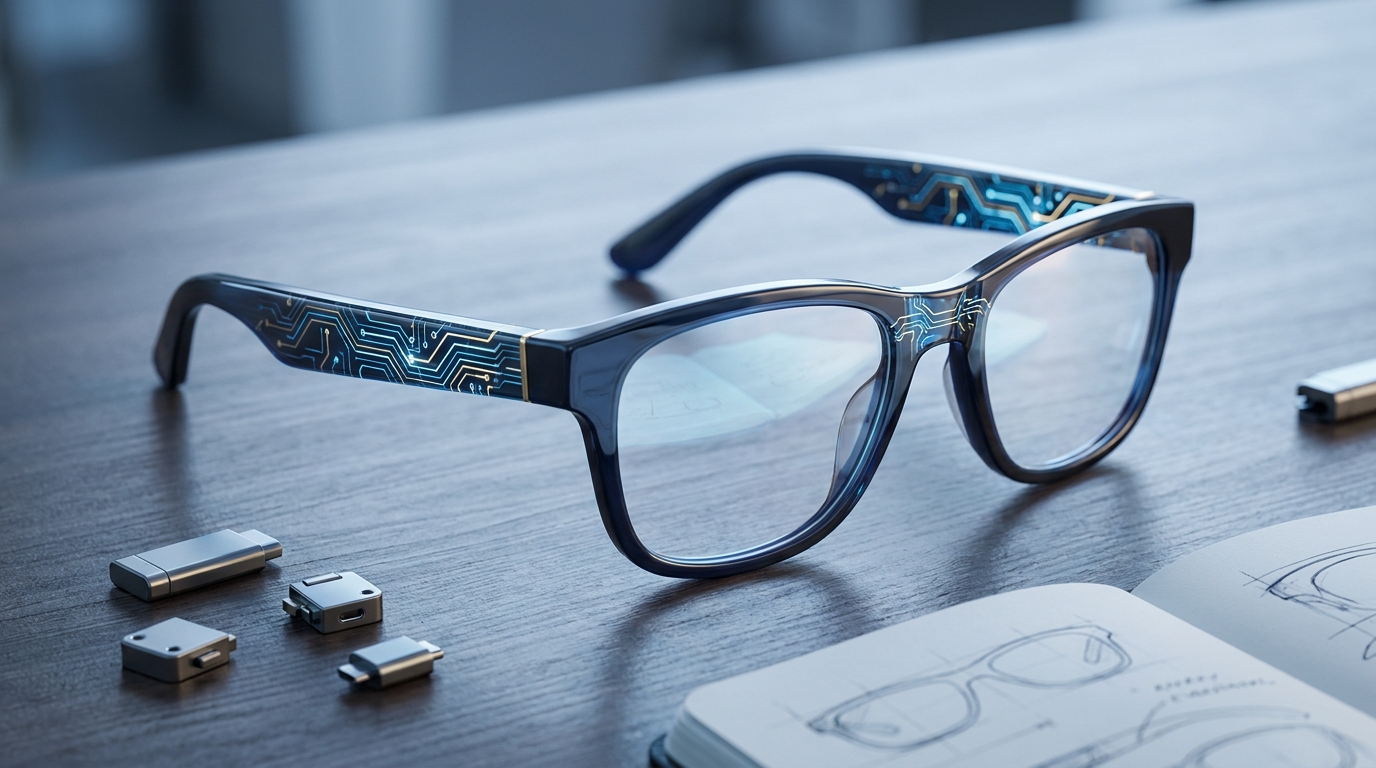
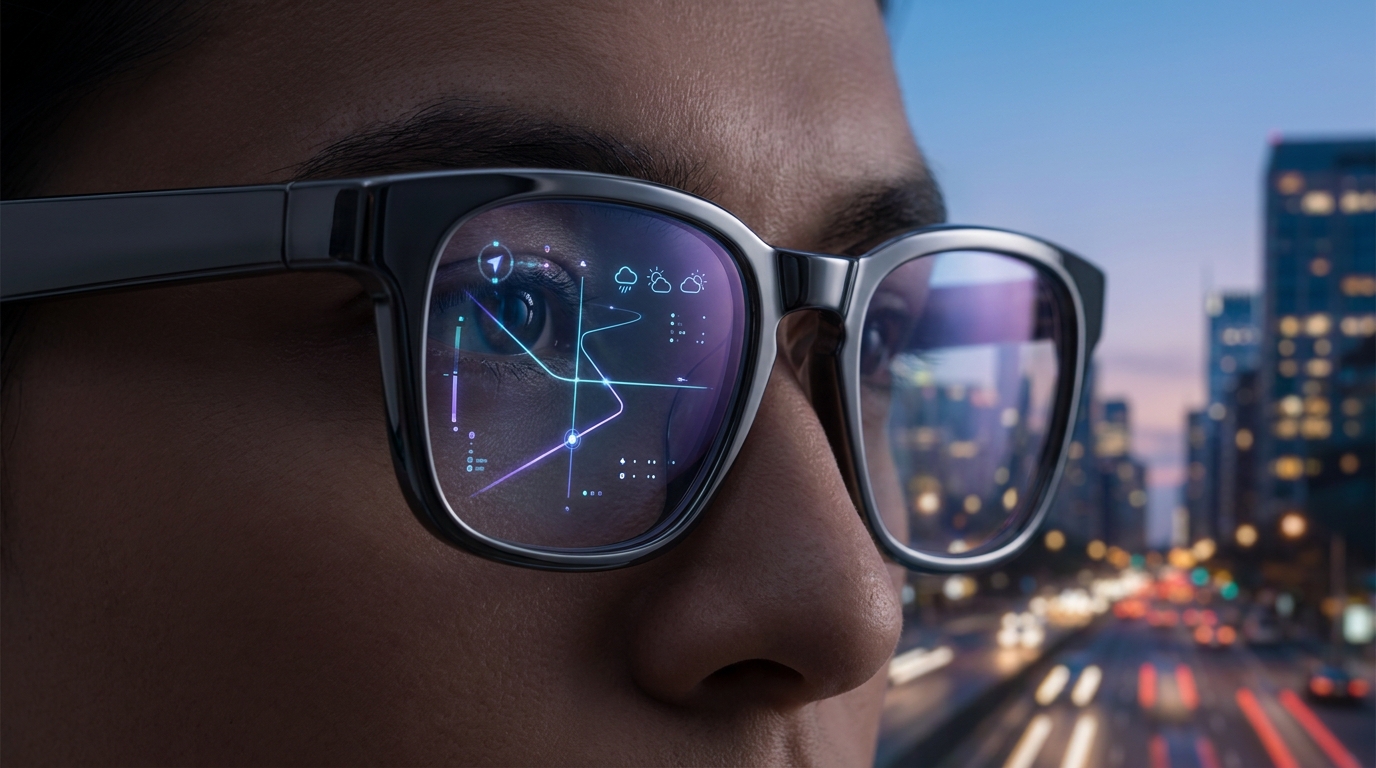
The smart glasses industry is in flux, pivoting hard from virtual escapism towards ubiquitous, always-on AI. This strategic realignment, best exemplified by Apple's rumored pivot away from Vision Pro's high-fidelity compute towards 'Meta-like AI smart glasses,' clears the path for a different kind of innovation. For hackers and builders, this moment is a green light, offering an unprecedented opportunity to redefine wearable intelligence on their own terms, free from the constraints of corporate-mandated, privacy-averse hardware.
The most impactful development for this community isn't a new display or a faster chip, but an architectural breakthrough: modularity. XRPAK's concept of a 'Portable Spatial Computer' that detaches the 'brain' from the glasses themselves is a game changer. It elegantly solves the perennial performance-portability paradox, allowing lightweight eyewear to tap into robust, pocket-sized compute. This 'splitting the laptop' approach means builders are no longer tethered to integrated, proprietary systems, but can mix and match components, fostering a truly open ecosystem.
While XRPAK introduces hardware modularity, the industry at large is still grappling with a fundamental social problem: privacy. Meta's ongoing struggle, highlighted by its recent 'kill switch' patent and the persistent 'pervert glasses' accusations, underscores how deeply cameras undermine public trust. A technical fix, like a hardware mute circuit, addresses symptoms, not the root cause of a social deficit.
This is where privacy-by-design becomes critical, and open-source builders have a distinct advantage. RayNeo's iO smart glasses, launching with a deliberate absence of cameras, validate this approach commercially. By omitting cameras, RayNeo bypasses the 'voyeur glasses' stigma entirely, proving that a discreet, AI-first, display-focused experience can be both desirable and socially acceptable. For hackers, this is a blueprint: build with trust as a core feature, not an afterthought.
The 'silent revolution' driving AI to our faces demands discretion, not covert surveillance. The mainstream industry is slowly grasping this, with many acknowledging that the future lies in unobtrusive, always-on AI assistants. But the execution, as Smart Glasses Daily has pointed out, often misses the mark for everyday users. This gap is precisely where the open-source community thrives, unburdened by legacy product lines or the need to justify existing camera hardware.
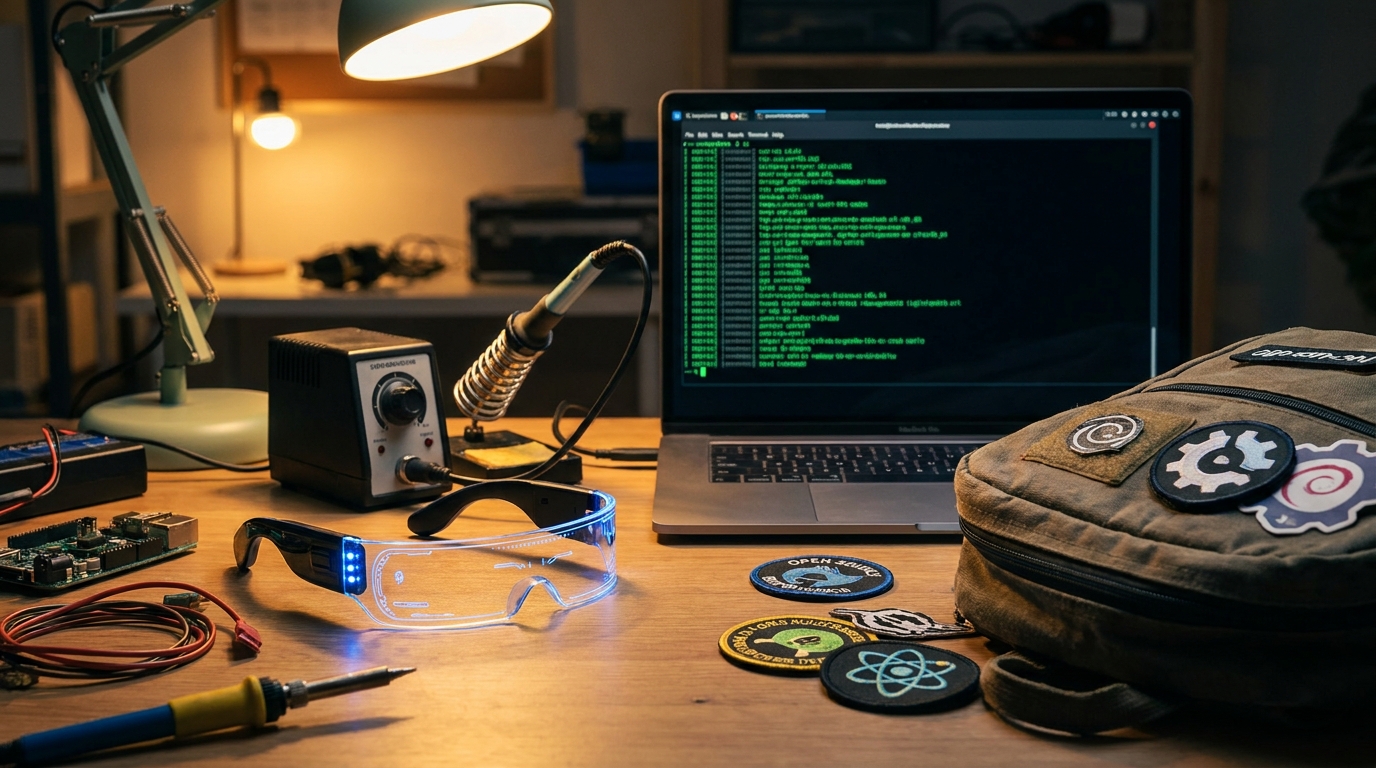
What does this all mean for those building outside of big tech's walled gardens? First, unparalleled freedom to tinker. XRPAK's modularity transforms smart glasses from monolithic black boxes into customizable platforms. Imagine experimenting with different display technologies, custom optics, or specialized compute modules, all interchangeable with a single 'Portable Spatial Computer.' The barriers to entry for hardware experimentation are plummeting.
Second, a clear path to privacy-first innovation. The collective pushback against always-on cameras has created a mandate for discreet, camera-free designs. Open-source projects can embrace this ethos from day one, focusing on utility, accessibility, and social acceptance. This allows builders to sidestep the ethical minefield that has plagued commercial smart glasses, fostering trust within their user bases organically.
Third, the democratization of AI experiences. With a burgeoning open ecosystem and increasingly affordable hardware, like Rollme's $99.99 ProView glasses, the cost of entry for developing custom AI assistants is shrinking. This is not about recreating Siri or Alexa, but building highly specialized, privacy-focused AI agents tailored to niche applications, leveraging an 'invisible brain' without proprietary constraints.
The 'technical arms race' between hidden camera modifiers and detection apps also points to a need for transparency. Open-source hardware and software can inherently offer this transparency, allowing communities to verify privacy claims and build truly trustworthy devices. This collaborative verification is something large corporations, with their layers of proprietary code and hardware, struggle to replicate.
The mainstream industry's current trajectory still leans towards an integrated, often camera-heavy, and socially awkward future. Meta's focus on a 'kill switch' for its camera-equipped eyewear, while a response to criticism, doesn't fundamentally change the device's inherent social footprint. This reactionary design contrasts sharply with the proactive, privacy-centric approach that open-source builders can champion.
RayNeo's audacious 'double offer strategy,' separating the camera-free iO for work from the immersive GT for play, hints at a future of specialized devices. This fragmentation works directly in favor of hackers and builders, who can focus on solving specific problems with tailored hardware and software, rather than trying to create an all-in-one gadget that satisfies no one completely.
The stage is set for a quiet revolution led by the hands-on community. Modular hardware, validated privacy-first designs, and an increasingly accessible AI ecosystem provide the perfect ingredients for innovation. The future of truly smart, socially integrated glasses may not come from the giants, but from the nimble, open-source projects that prioritize utility, trust, and the freedom to build.
This isn't just about consumer products anymore. It's about enabling a new wave of practical, everyday applications for wearable AI, unencumbered by the corporate baggage of surveillance capitalism. Hackers and builders, leveraging these emerging paradigms, are poised to define the real future of smart glasses, often operating quietly, outside the restrictive glare of traditional product development cycles.
Interactive guide — prices, displays, cameras, battery.
Share this story