Analysis · Meta
Smart Glasses Surge and VR Holds Ground Amid Holiday Deals and Mounting Bans
Holiday shoppers hunting for Quest 3 discounts came up empty, while smart glasses saw aggressive cuts, delayed shipments, and an escalating wave of regulatory battles.

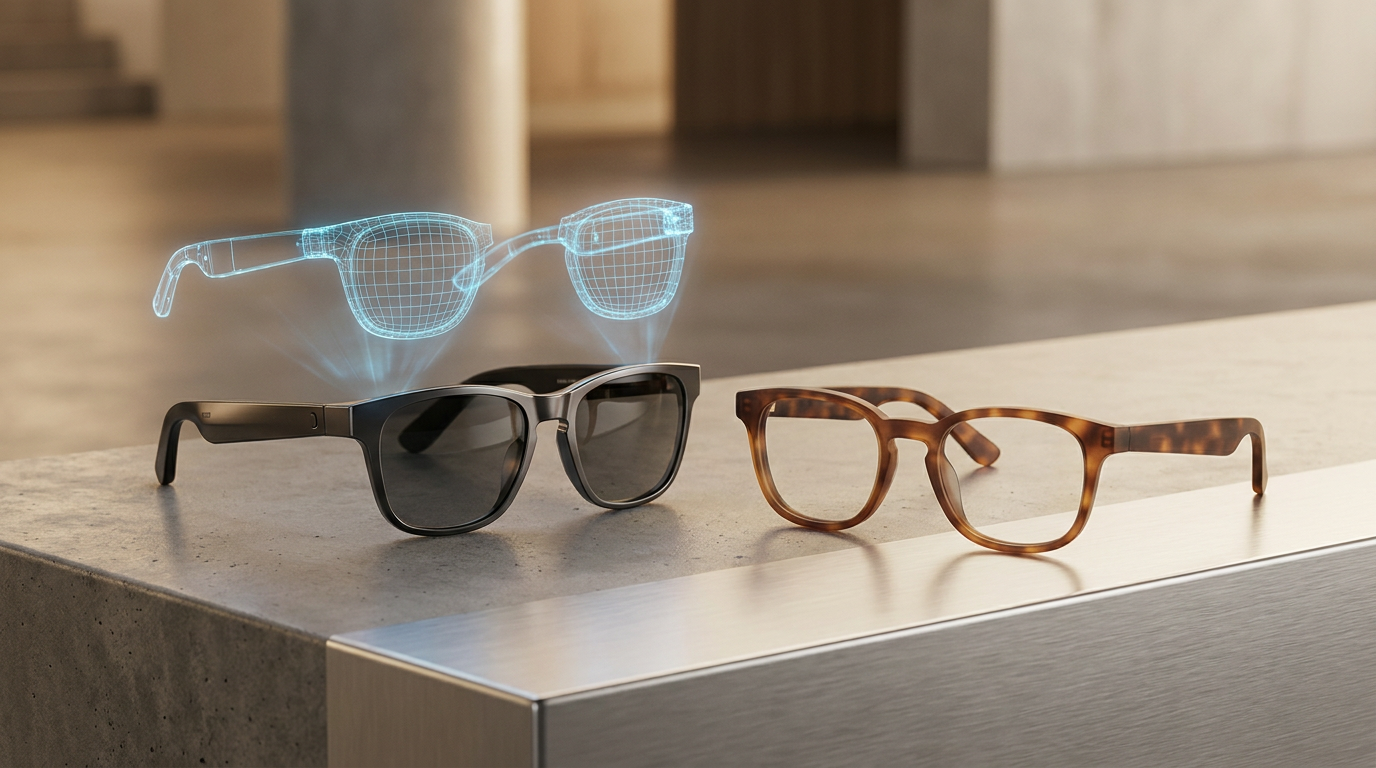
On November 27, 2026, Black Friday shoppers searching for a discount on Meta's flagship Quest 3 discovered that the company had no intention of dropping its $599.99 sticker price. Instead, Meta funneled budget-conscious buyers toward the Quest 3S at $296.99, leaving the premium model untouched outside of modest refurbished offerings. Yet while traditional VR hardware held its pricing lines, the smart eyewear market saw substantial price adjustments, quiet shipping milestones, and a steep rise in legal scrutiny across multiple continents.
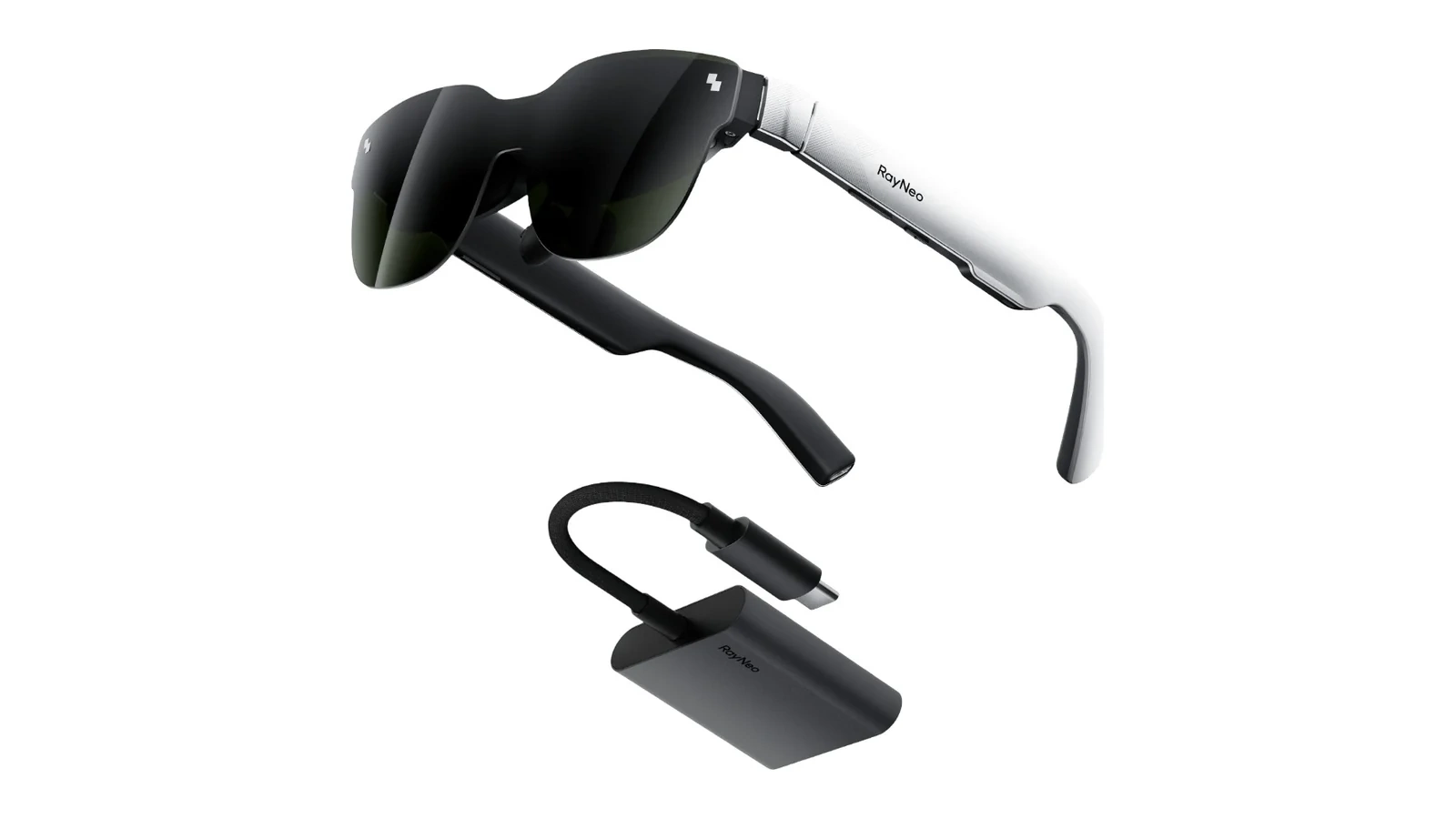
Smart glasses saw aggressive discounting heading into the shopping weekend. According to vr.org, Rokid dropped the price of its AI Glasses Style to $150, positioning the device as the lowest-cost camera eyewear option available. Rokid also discounted its Max 2 display frames to $179 before stock quickly depleted. Over at Meta, original Ray-Ban Meta inventory dried up completely, leaving the Gen 2 frames at $284.25 as the primary alternative for holiday shoppers seeking AI-enabled eyewear.
Higher-end spatial devices made quiet progress behind the scenes. Snap updated its storefront FAQ to confirm that its $2,195 Specs augmented reality glasses have finally begun shipping to initial preorder customers. As vr.org reported, buyers who placed deposits must respond quickly to purchase emails before their allocation expires, while fresh orders have been pushed back to early 2027. Meanwhile, Pico confirmed a December 2 launch event in Beijing for its long-delayed Space Pro headset, signaling renewed competition at the higher end of standalone XR.
The broader momentum for camera-equipped glasses is running directly into institutional resistance. In the United Kingdom, the government officially answered a public petition calling for a retail ban on smart glasses, stating that a blanket prohibition on recording-capable eyewear would not be proportionate. However, European regulators and advocacy groups are taking a much firmer stance. Germany's federation of consumer organizations launched legal action against Ray-Ban maker EssilorLuxottica over alleged misleading advertising while simultaneously pursuing claims against Meta.
Legal challenges in the Netherlands pushed even further this week. In an Amsterdam courtroom, Dutch consumer advocacy groups argued that camera glasses should be removed from store shelves entirely. As NOS reported, Meta countered by arguing that the platform cannot be held legally liable for the misbehavior of a minor subset of users, with the court expected to issue its ruling before the end of December. Meanwhile, Meta allowed a deadline set by US Senators Ron Wyden and Edward Markey regarding camera privacy safeguards to pass without releasing public responses.
What this means: The smart glasses category is experiencing a fundamental split between consumer retail demand and institutional acceptance. Hardware makers can cut prices to $150 and sell through existing inventory, but consumer enthusiasm cannot mask the expanding patchwork of venue bans. vr.org tracked bans climbing past 60 locations worldwide, ranging from municipal halls in Australia to school boards across North America. If manufacturers fail to resolve privacy concerns through technical transparency and clear hardware signaling, hyper-local restrictions will gradually turn these everyday wearables into restricted contraband.
Interactive guide: prices, displays, cameras, battery.
Share this story