News ·
Smart Glasses Push Surveillance as Norm, European Lawyer Warns
According to IT and data lawyer Alexandra Iteanu, writing in Les Echos, current legal frameworks are failing to keep pace with camera glasses. She argues that expecting bystanders to opt out of being recorded reverses fundamental rights and normalizes public surveillance.
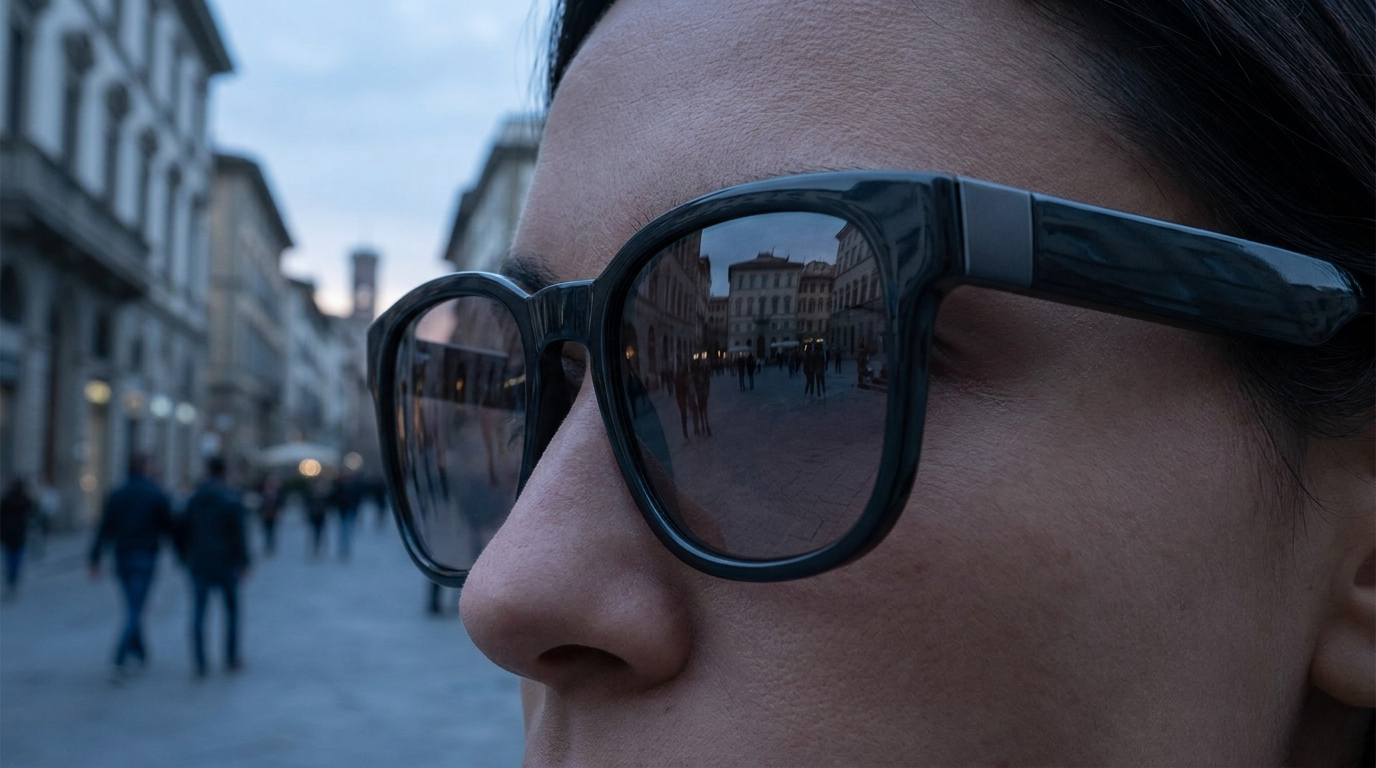
French IT and data lawyer Alexandra Iteanu delivered a stark warning this week regarding the proliferation of smart glasses, arguing Europe's legal system is failing to keep pace. In an op-ed published August 7, 2026, in Les Echos's "Le Cercle" opinion section, Iteanu asserts that camera-equipped eyewear is rapidly normalizing surveillance, making privacy an exception rather than a fundamental right.
Iteanu's analysis begins with everyday scenarios, from the metro to public cafes. She posits that the era of being recorded without consent or warning is upon us. The common retort-that individuals should simply voice their objection to being filmed-is, in her view, "backwards reasoning." It incorrectly assumes awareness of recording and shifts the onus from the recorder to the recorded, marking "one more step in the erosion of fundamental rights," as Les Echos reports.
Europe is not without legal safeguards. Iteanu points to the right to private life, image rights, and personal data protection. Article 226-1 of the French Criminal Code, for instance, criminalizes non-consensual image recording in private spaces, carrying significant penalties. Article 9 of the Civil Code enshrines image rights, while the EU Digital Services Act mandates online notice and takedown procedures for platforms. However, in public spaces like streets or the metro, applying these laws becomes "far more uncertain terrain," Iteanu notes. While the legal foundations exist, their implementation is "stalling," with slow actions, unpredictable outcomes, and expensive litigation.
A crucial precedent, according to Iteanu, is the "Friend" AI pendant. This always-listening device suspended its European launch to achieve compliance with GDPR (Regulation (EU) 2016/679) after France's data protection authority, CNIL, intervened. This case demonstrates that "what protected people there was not their reflexes...but the text of the law," she argues in Les Echos, suggesting privacy will hold as long as the legal system actively resists its erosion.
Our take: This analysis is critical for the smart glasses industry. Every major camera-glasses vendor-from Meta's Ray-Ban line and Snap's Spectacles to XREAL, Rokid, and various Chinese entrants-currently operates in Europe. Their standard privacy narrative often hinges on a recording indicator LED and terms-of-use clauses. Iteanu's argument directly challenges this design assumption, questioning whether a blinking light coupled with user responsibility constitutes lawful and sufficient privacy protection.
What this means: The regulatory landscape appears to be moving in the direction Iteanu describes. The Friend pendant's retreat, CNIL's historical interest in always-on wearables, and the emergence of new glasses with integrated displays and continuous vision pipelines all indicate a coming wave of legal, not technical, constraints. Vendors who prioritize robust privacy engineering from conception, rather than treating it as an afterthought or patch, will likely navigate the European market with greater ease.
Interactive guide — prices, displays, cameras, battery.
Share this story