Analysis ·
Smart Glasses Market Shifts: $18 Floor, Brands Brace for Fall
Three months of market data, from May to July 2026, reveal a dramatically shifting landscape for smart eyewear. The industry has reached new price lows, while major players like Meta are preparing strategic moves for September.
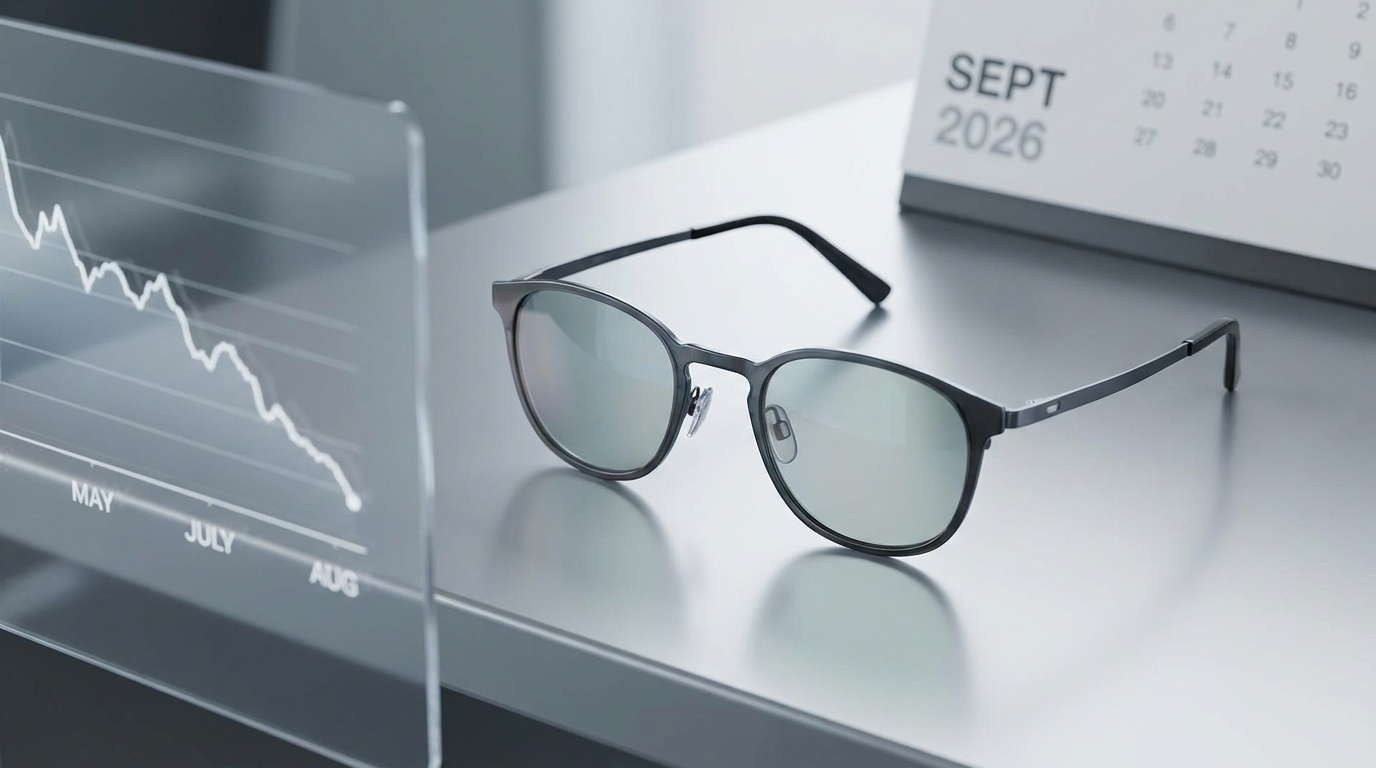
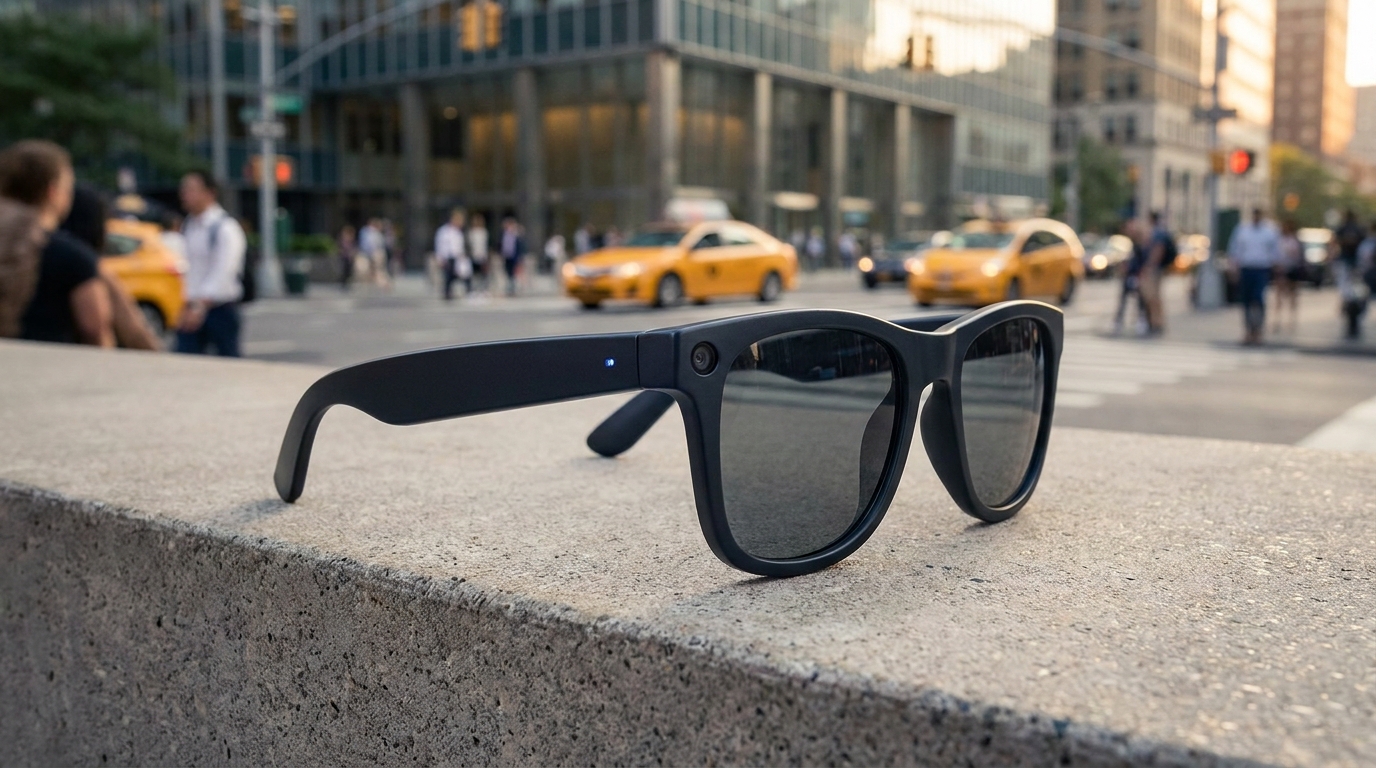
Three months of market tracking data, from May to July 2026, paint a definitive picture of the smart glasses landscape. According to Smart Glasses Daily's benchmark tracker, the camera-and-audio glasses segment has become a commodity, while the display category presents a split bet. Major players are clearly holding back significant product reveals, likely for a major showdown in September.
The most dramatic shift this quarter didn't originate from a tech giant. Instead, a Chinese-made catalogue brand, BlackSheep, entered the U.S. market. The brand launched its American storefront on June 23, introducing models like the BL30 at $17.95, the QY Pro2 at $23.95, and the G2 Pro AI and G3 Smart at $54 each, the latter two featuring cameras and an 8-hour battery life. Two weeks later, Kmart Australia reportedly sold out of its Anko camera glasses for 89 AUD, roughly $58, a pair equipped with an 8 MP sensor and 1080p capture, which notably lacked a clear recording indicator.
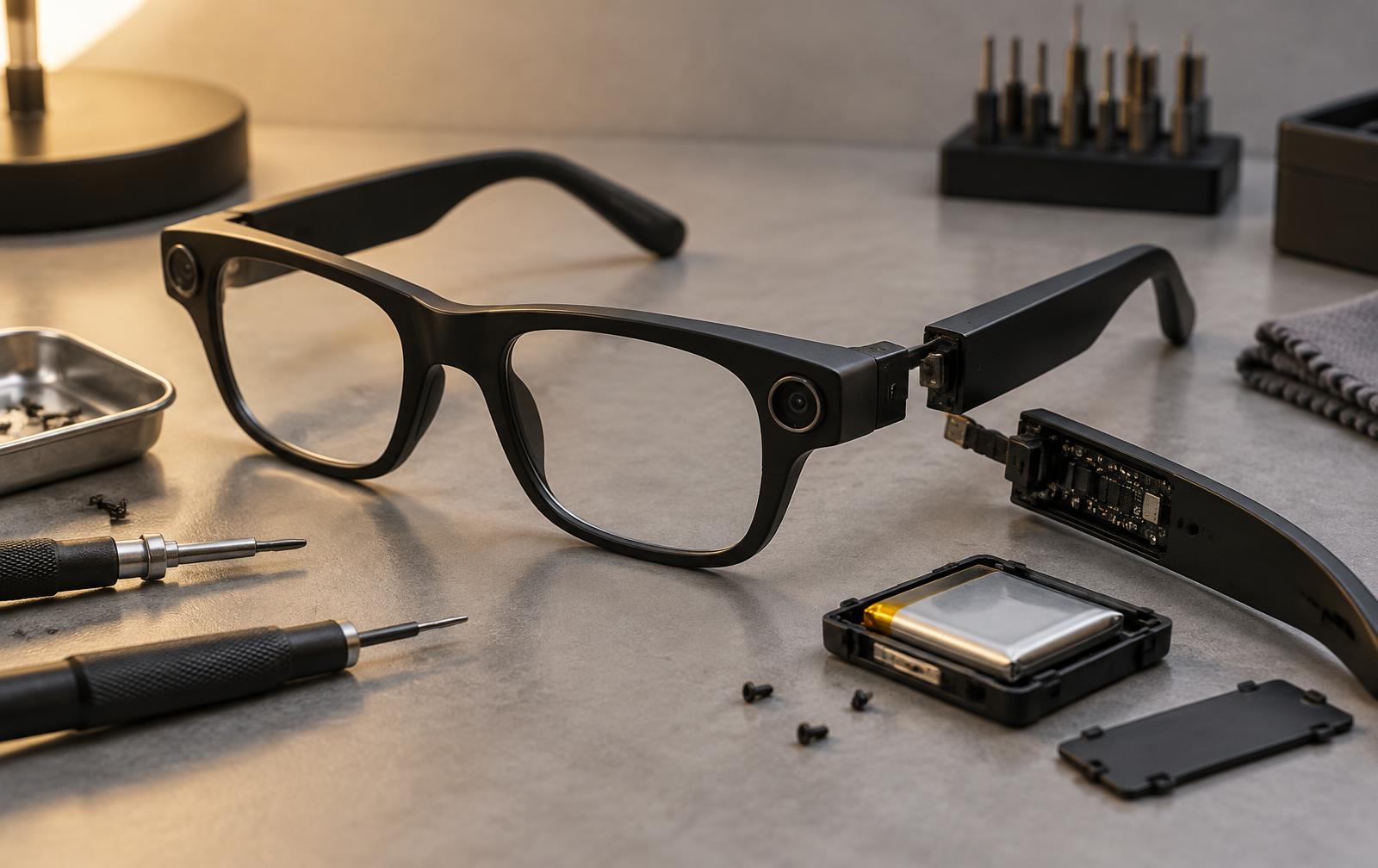
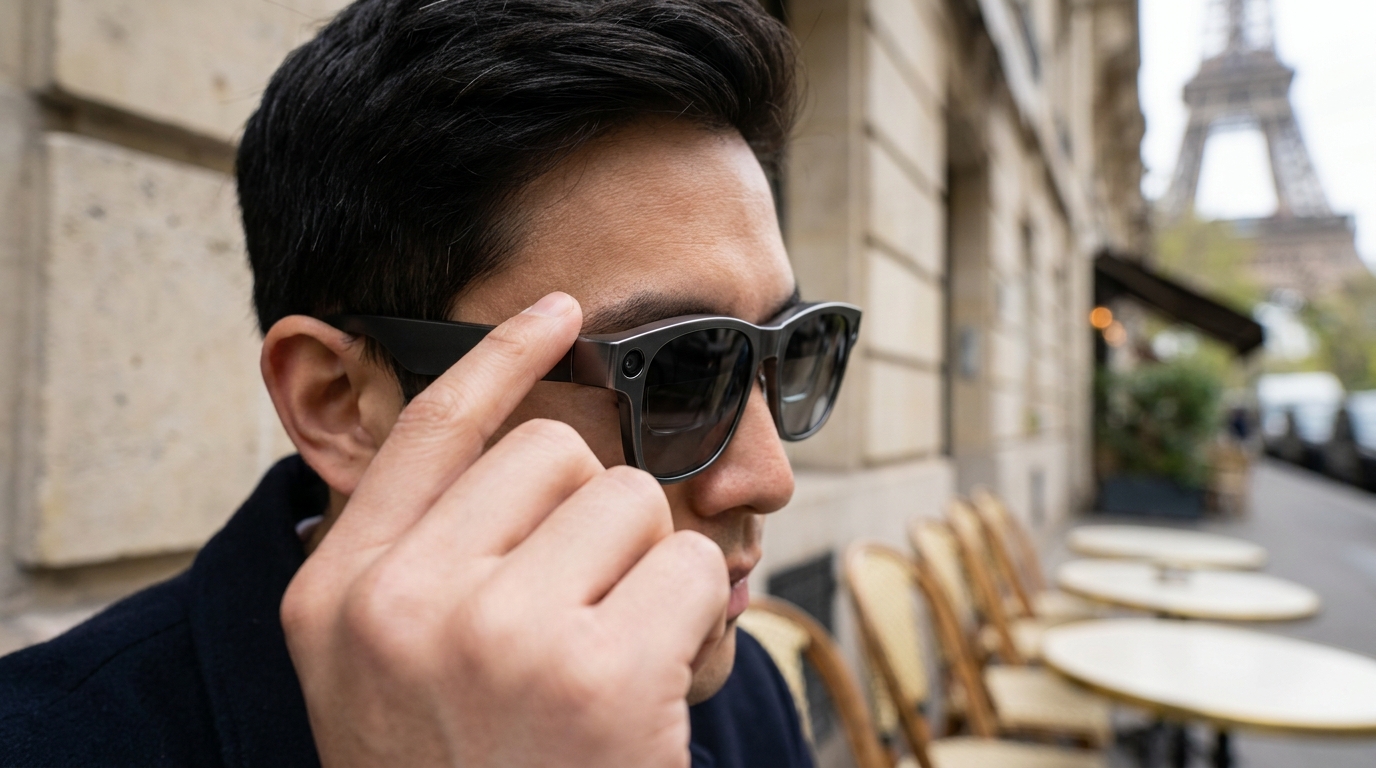
What this means: The bill of materials for audio, camera, and cloud AI integration has fallen enough for non-tech retailers to market these as impulse buys. While second-generation Ray-Ban Meta glasses start at $379, the same core functionality is now available for a fraction of that cost. Meta is no longer competing solely on features at the low end; its strategy now leans on brand recognition, audio tuning, and user trust in privacy, which became a critical issue for the Anko glasses within 48 hours of their availability, as Smart Glasses Daily previously reported.
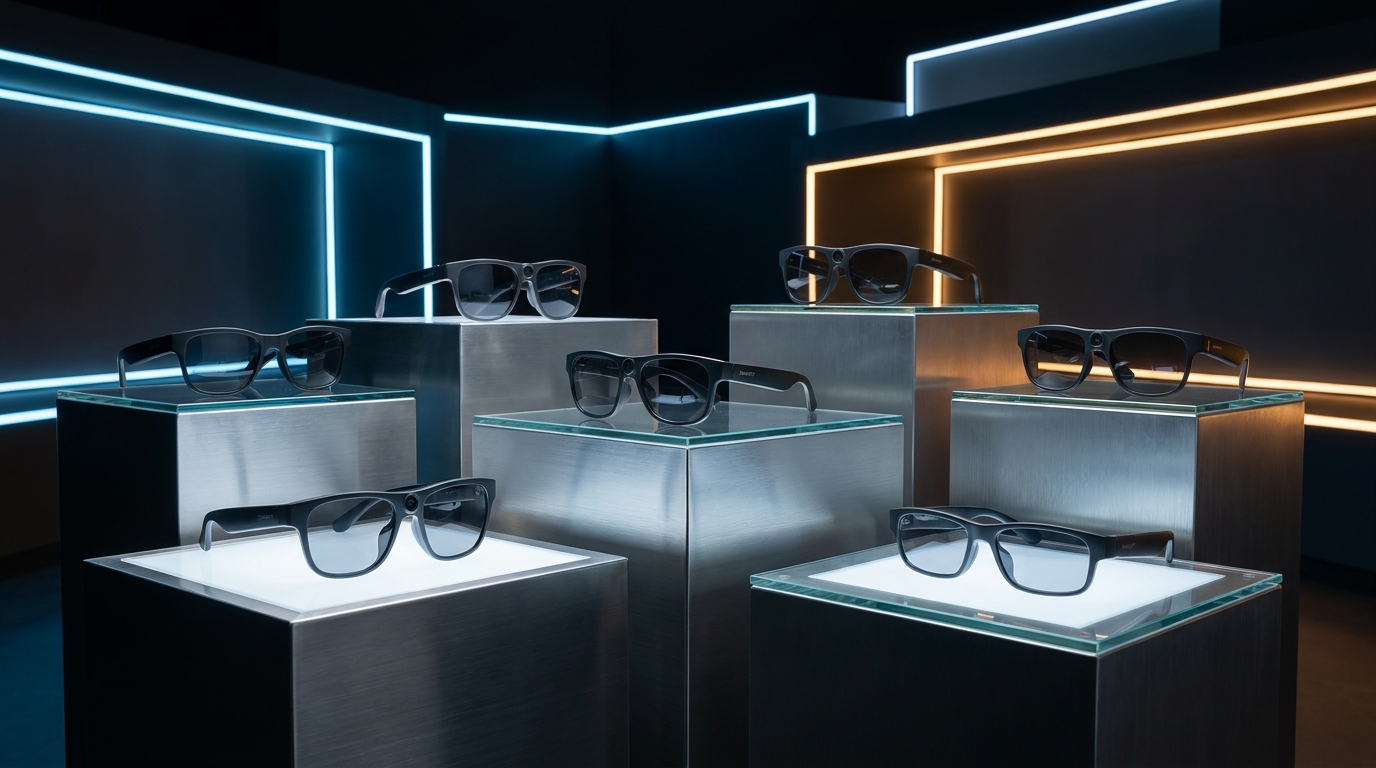
On June 23, Meta and EssilorLuxottica announced three new own-brand smart glasses models: Adventurer, Fury, and Starfire. The Starfire, priced at $399 and weighing 48 grams, notably received a Kylie Jenner promotional edition. While Meta's partnership with the owner of Ray-Ban and Oakley continues, the branding on the device temple has shifted. Meta now directly controls a full brand ladder, rather than licensing or 'renting' one.
Our take: Meta believes the smart glasses category is mature enough to support its own label and aims to capture greater profit margins. This move also signals a desire for market segmentation, including outdoor, sports, and fashion lines, recognizing that the customer base extends beyond early adopters seeking a Wayfarer with a camera.
The financial signals from June and July also indicate a shift in monetization strategy. Meta has placed parts of its glasses AI behind a premium tier, while simultaneously pushing its v26 firmware update to a broader international market. EssilorLuxottica reported a near doubling of camera-glasses sales year-over-year in Q2. The company's revenue increased by 7.2 percent to 7.69 billion euros, citing improved wearables profitability driven by higher average selling prices and increased adoption of prescription lenses.
What this means: This marks the first quarter where the industry appears to move past treating smart glasses purely as an install-base land grab. The combination of hardware margins, prescription lens upsells, and subscription services now forms a viable business model, rather than just a technology experiment.
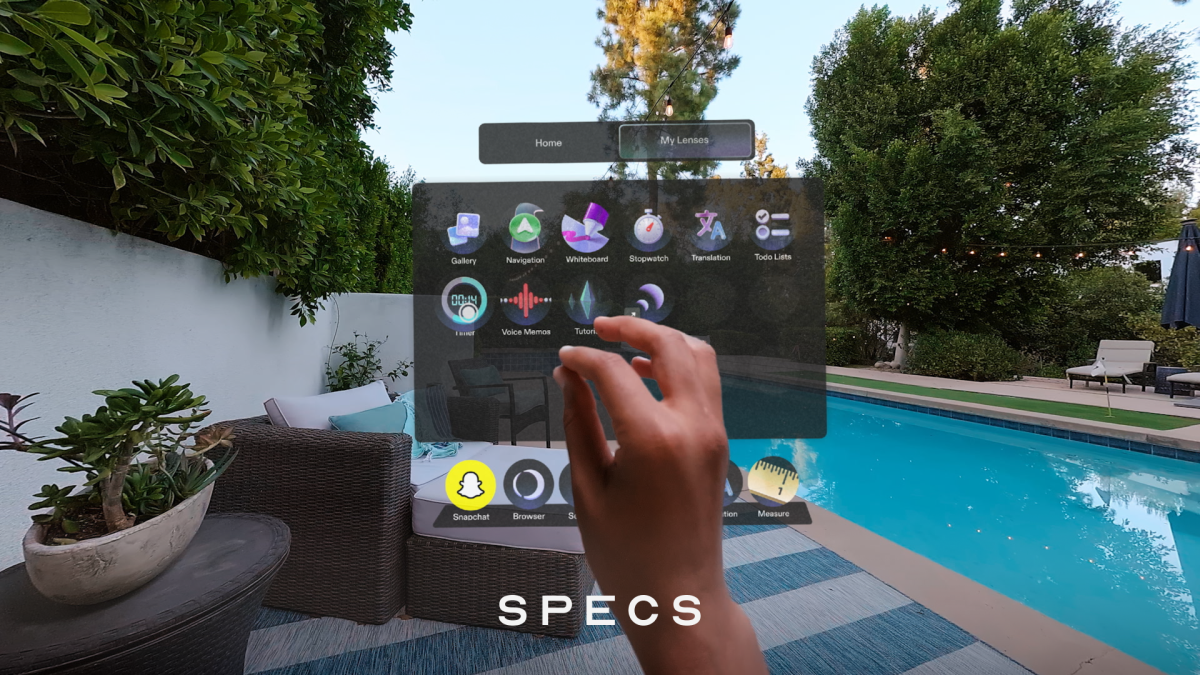
Smart Glasses Daily's tracker also observed two distinct approaches in the display category. XGIMI opened orders on June 29 for its MemoMind line. This includes the MemoMind One at $599, featuring dual monochrome green micro-projectors and a claimed 16 hours of battery life, as well as the 28.9-gram Air Display with a single screen, and an audio-only Air model. XGIMI's MemoMind line is deliberately camera-free and monochrome, targeting notifications and note-taking. This contrasts sharply with other display-centric smart glasses aiming for richer AR experiences.
Interactive guide — prices, displays, cameras, battery.
Share this story