Manufacturer News · Samsung
Samsung and Google Target Meta With November Preorders for Intelligent Eyewear
Samsung's first Android XR smart glasses ditch the screen for audio, cameras, and Google Gemini, arriving in Warby Parker and Gentle Monster frames this December.
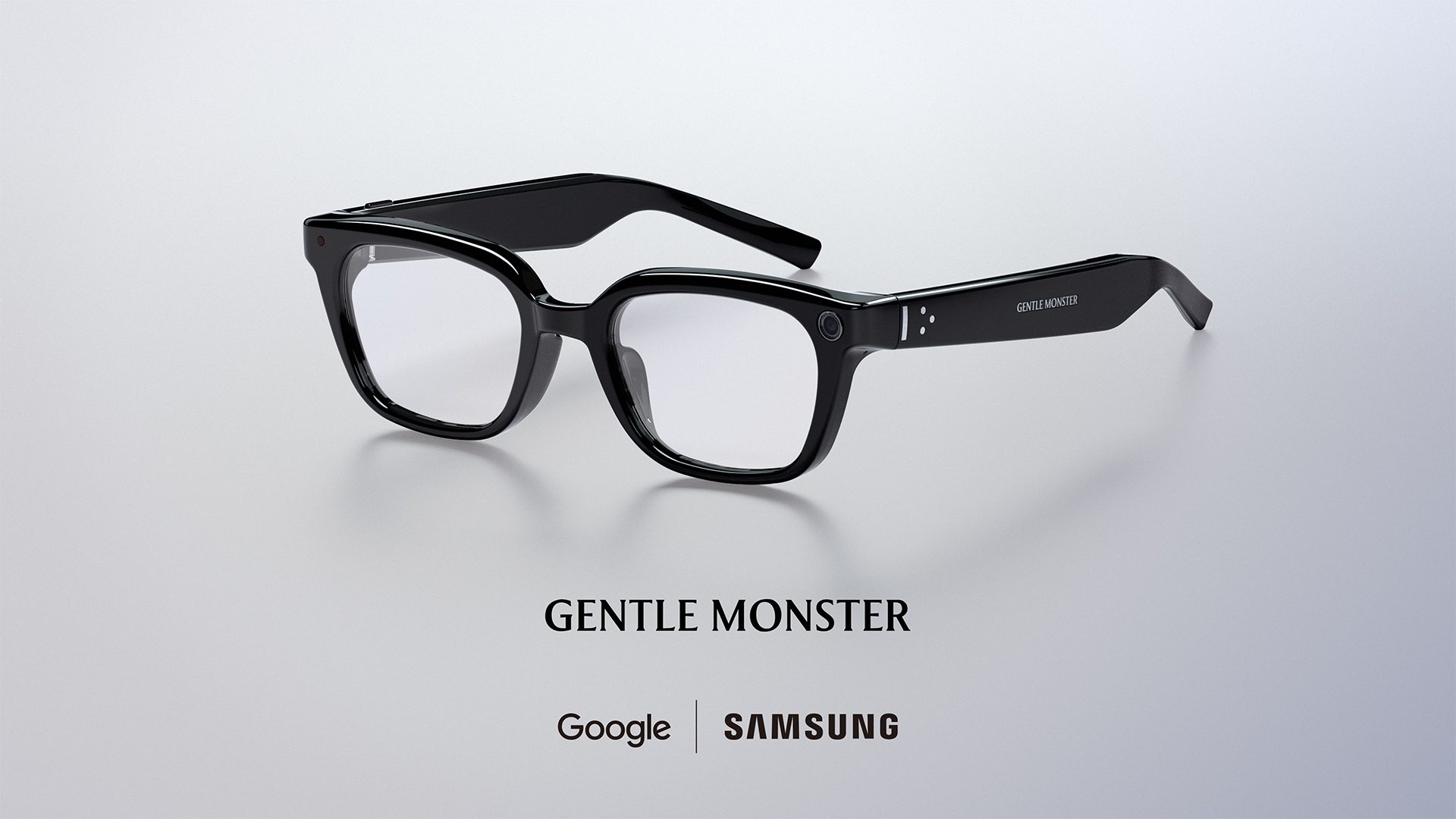
Samsung and Google are finally preparing to ship their answer to the Ray-Ban Meta juggernaut, confirming this week through retail partners that preorders for their new Intelligent Eyewear collection open on November 12. Rather than jumping straight into bulky spatial computing headsets or optical waveguide displays, the hardware focuses on lightweight audio and camera frames powered by Google Gemini and Qualcomm's Snapdragon AR1 Gen 1 platform. Deliveries are scheduled to roll out in December across select markets, spearheaded by initial availability in the United States and South Korea.
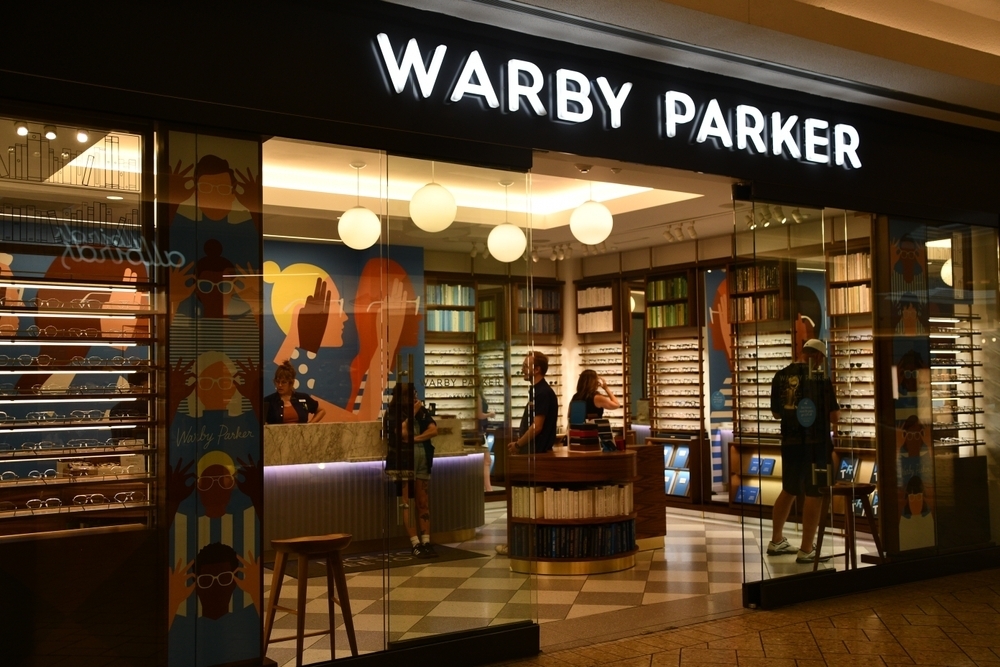
The launch timing emerged not from a splashy consumer electronics keynote, but from regulatory filings and luxury fashion marketing. Eyewear retailer Warby Parker confirmed the November 12 preorder date in an SEC earnings filing, promising holiday fulfillment for its designer frames. Meanwhile, South Korean luxury brand Gentle Monster aligned its storefront with the exact same preorder schedule, teasing an artistic campaign directed by Jonathan Glazer and starring Joaquin Phoenix alongside a physical public preview in New York running through late November.
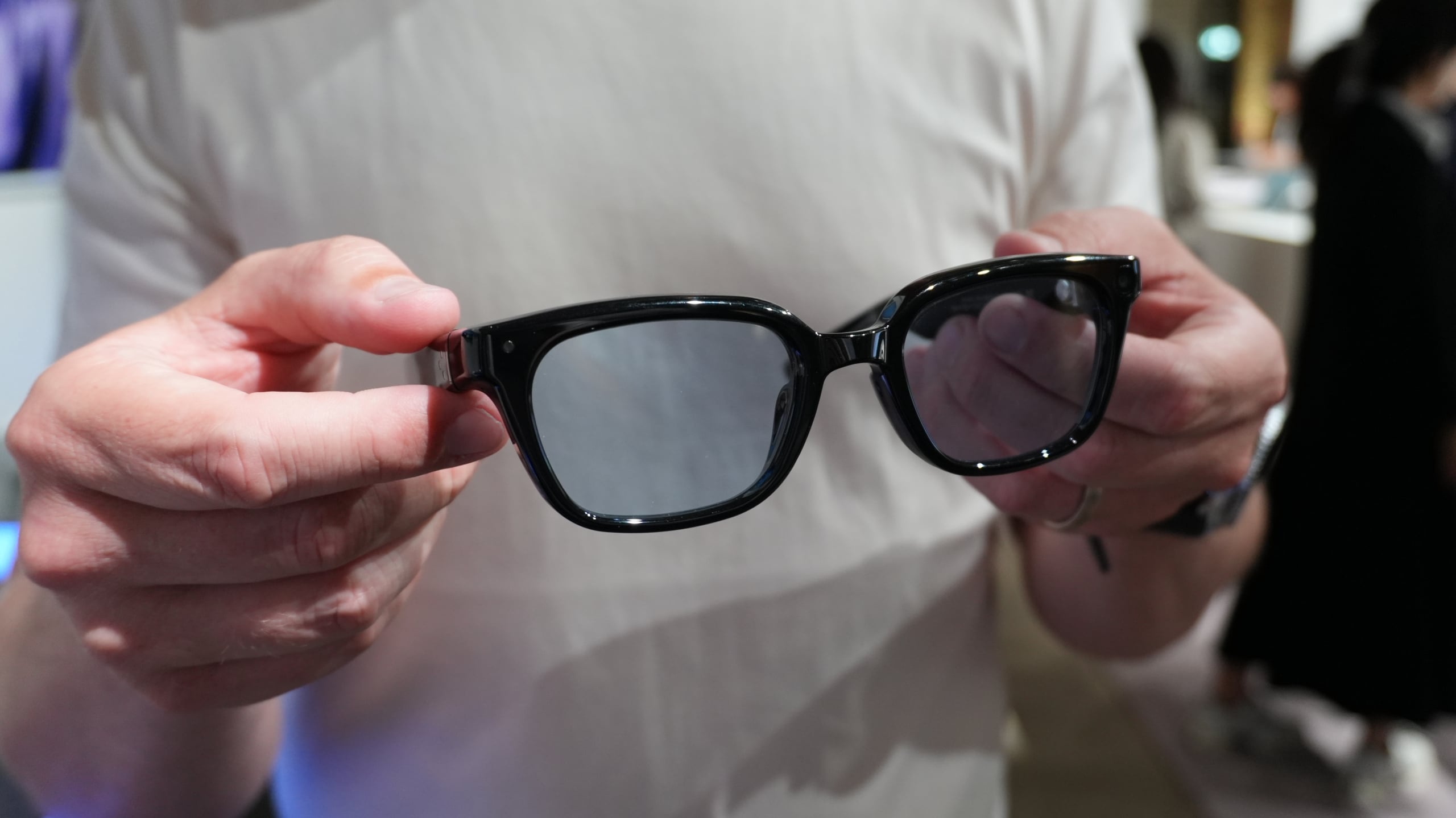
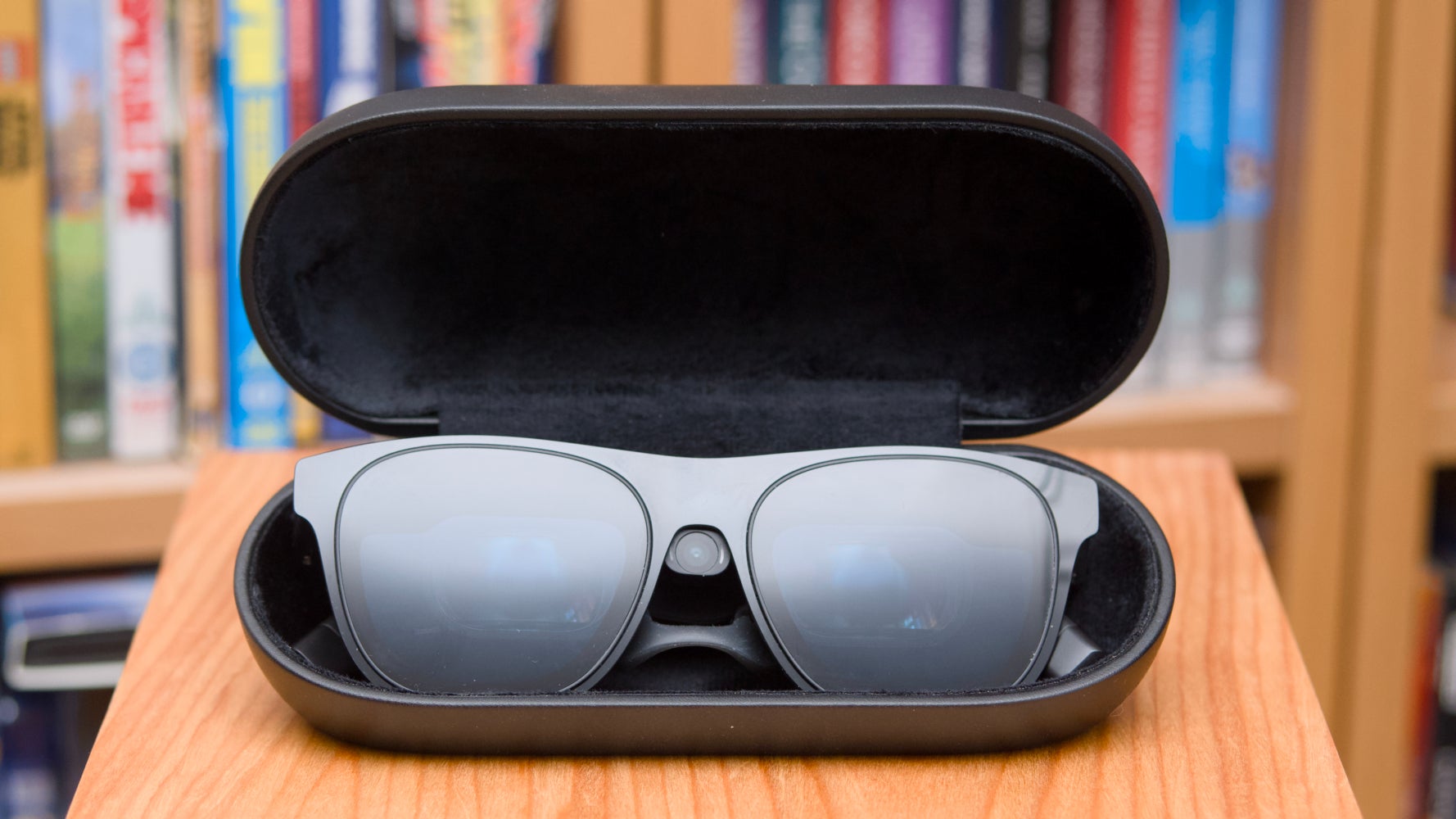
Hardware specifications reveal a device built specifically for all-day daily utility rather than virtual immersion. According to vr.org, the glasses omit built-in displays entirely, relying on open-ear directional audio, onboard microphones, and dual camera housings tucked into the temple corners. Battery longevity looks particularly competitive on paper: the frames promise up to nine hours of runtime on a single charge, supported by a pocketable charging case capable of delivering up to seven full recharges. While cross-platform support covers both Android phones and iPhones, vr.org notes that certain exclusive platform perks will remain tethered to Samsung Galaxy smartphones.
Regional rollout plans point to a measured initial wave. South Korean business publication ChosunBiz reports that commercial sales will begin in mid-December across the US and South Korea, leaving major markets like Japan, China, and Europe for subsequent release windows. Official pricing remains tightly under wraps, though Samsung executives have previously signaled that the product will sit in the premium lifestyle tier without becoming prohibitively expensive.
What this means: Samsung and Google are making a clear tactical retreat from the overengineered, screen-heavy form factors that plagued early augmented reality experiments. By partnering with legitimate fashion heavyweights like Warby Parker and Gentle Monster, the alliance is copying Meta's proven playbook with EssilorLuxottica. Success in the smart eyewear category is governed by facial aesthetics, weight distribution, and subtle styling far more than raw silicon throughput.
How it compares: Taking on the Ray-Ban Meta frames will not be simple, especially given Meta's massive head start in market mindshare and mature multimodal AI integrations. However, nine hours of claimed battery life would crush Meta's roughly four-hour active lifespan, and native integration with Google Gemini gives Android users a first-class AI assistant that does not force them into Meta's software ecosystem. If Samsung can keep the starting price near the $300 to $400 mark, this holiday season could mark the first real platform war in ambient AI eyewear.
Interactive guide: prices, displays, cameras, battery.
Share this story