Manufacturer News · Samsung
Samsung AI Glasses Target Mid-December Debut in US and Korea
Supply chain reports point to a mid-December launch for Samsung's displayless smart glasses, with early availability limited to just two core markets.

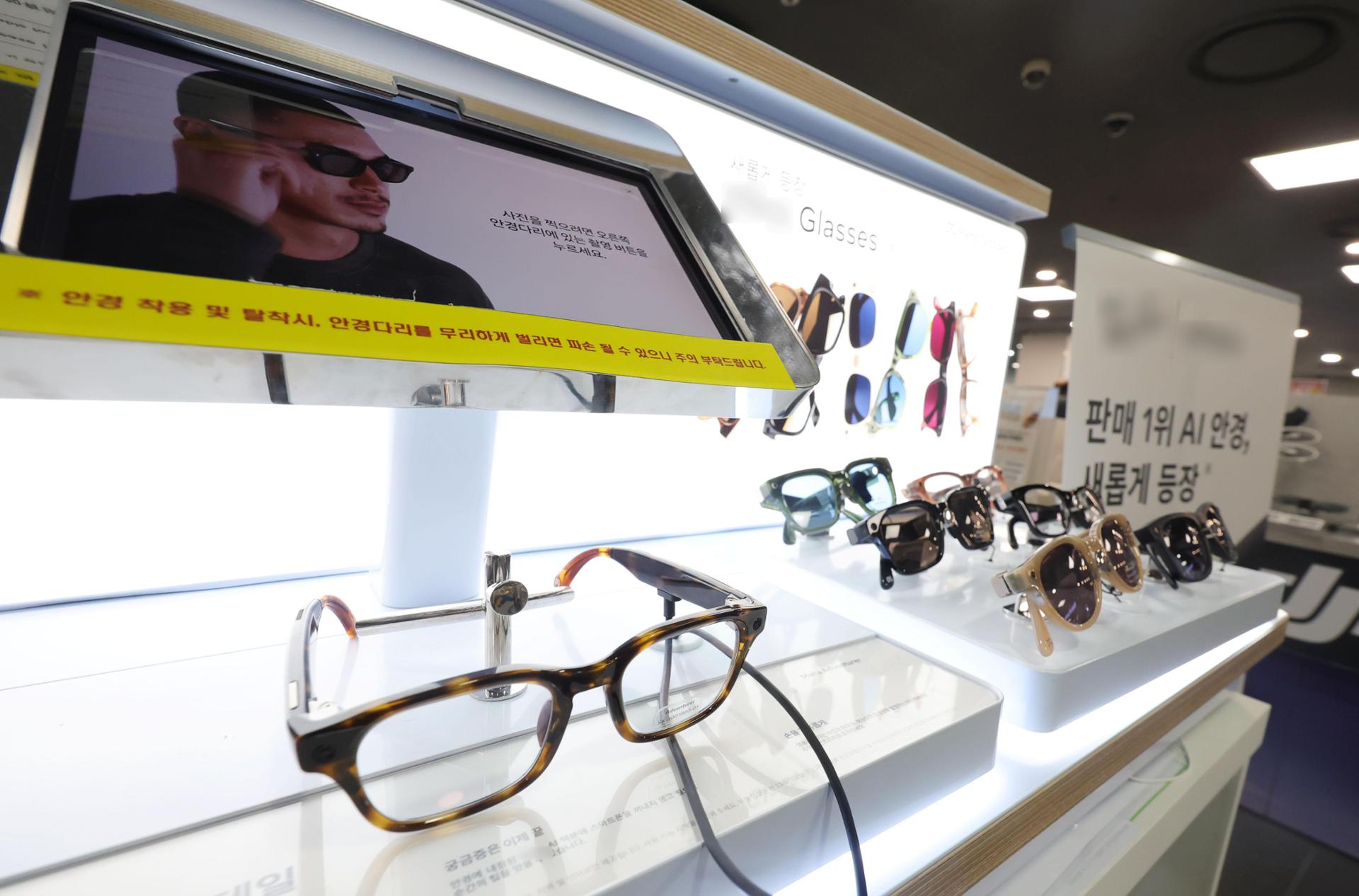
On November 3, 2026, reports surfaced detailing Samsung's revised rollout schedule for its debut smart glasses, pointing to a mid-December launch window restricted exclusively to South Korea and the United States. According to Korean business outlet Chosun Biz, industrial sources confirm that the electronics giant has locked in a late-autumn release, slipping slightly from earlier internal guidance. Just weeks earlier, a Samsung representative had suggested to The Korea Herald that the wearable might arrive on shelves as early as November.
Samsung has yet to make an official public announcement, and pricing remains undecided according to Chosun Biz. As Frandroid (FR) reported, the manufacturer is intentionally taking a measured approach with its initial production batch. An industry insider cited by the Korean publication explained that because this is an entirely new product category for Samsung, executive leadership wants to closely monitor consumer demand and user feedback across the US and South Korea before opening up wider international sales channels. Prospective buyers in Europe and other regions will have to wait considerably longer.
This phased geographic rollout follows an identical playbook to Samsung's previous spatial computing hardware. When the company launched its Galaxy XR headset in October 2025, it initially confined availability to South Korea and the US. British consumers had to wait nearly nine months before Samsung expanded distribution to the United Kingdom in July 2026. Applying that same cautious strategy to everyday eyewear suggests Samsung wants to validate real-world software performance before committing to global retail inventory.
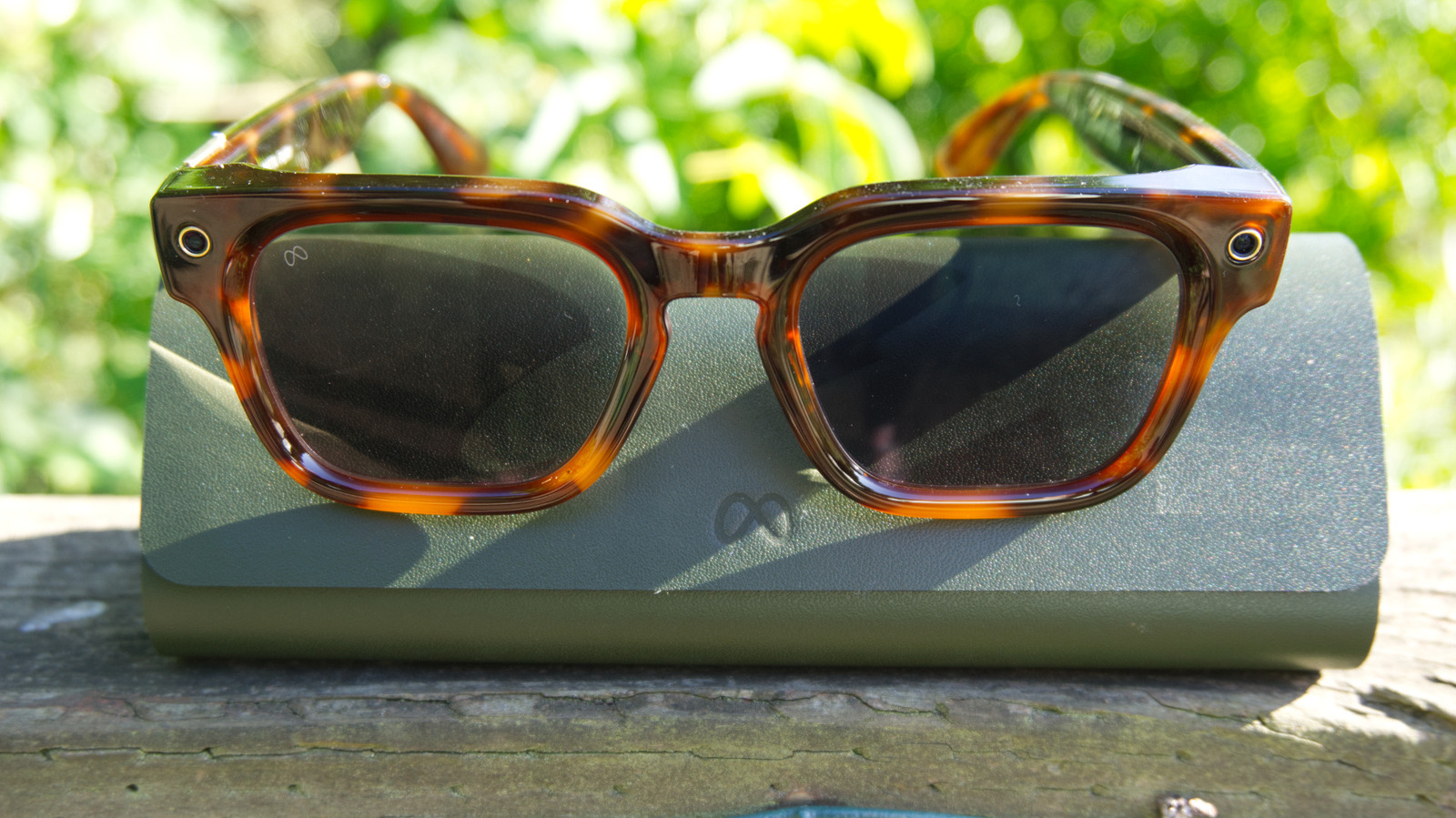
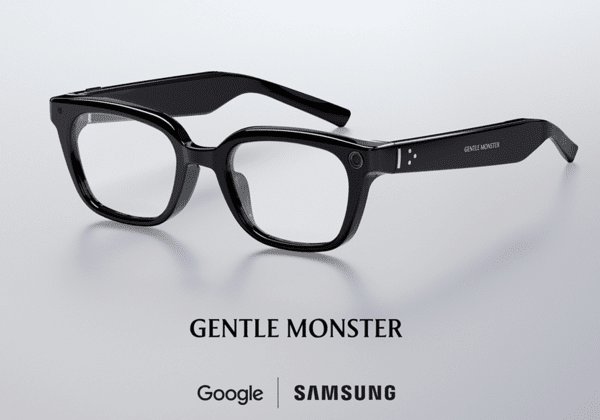
First teased at Google I/O in May and detailed further at Galaxy Unpacked in July, the intelligent frames were co-designed with fashion-forward eyewear brands Gentle Monster and Warby Parker. Rather than attempting a complex heads-up optical display, Samsung opted for an audio-and-camera architecture directly rivaling the Ray-Ban Meta frames. The device features integrated cameras, open-ear speakers, and microphone arrays running Google's Android XR platform, with Google Gemini serving as the primary multimodal AI assistant. Under the hood, Qualcomm's Snapdragon AR1 Gen 1 processor offloads heavier computational workloads to a paired Galaxy phone, supported by 2GB of onboard RAM. Samsung rates battery life at up to nine hours on a single charge, with the bundled protective case holding up to seven complete recharges.
How it compares: Entering the market without an optical engine places Samsung in direct competition with Meta, which has dominated the smart eyewear category with its Ray-Ban partnership. While Meta leans heavily on its own proprietary Llama models and Luxottica's massive global optical footprint, Samsung's core strength lies in its tight synergy with the broader Galaxy ecosystem and Google's Gemini suite. Yet, by limiting the hardware to two countries at the tail end of the year, Samsung effectively concedes the critical holiday shopping window in Europe and other major markets to Meta's established lineup.
What this means: Samsung's decision to bypass microdisplays keeps weight, battery consumption, and industrial design within the boundaries of conventional designer glasses. However, a mid-December release across only two territories implies modest first-generation production yields and a desire to fine-tune Android XR in the wild. For Samsung and Google, this launch is less about chasing immediate mass-market volume and more about establishing a functional beachhead against Meta before the next generation of AI eyewear takes over.
Interactive guide: prices, displays, cameras, battery.
Share this story