News · Rokid
Rokid Unveils New AI Glasses Featuring Qualcomm AR1 Platform
Rokid further enters the AI glasses market with a new lightweight model, leveraging Qualcomm's AR1 platform. These glasses are designed for both personal and professional use, with robust AI capabilities.
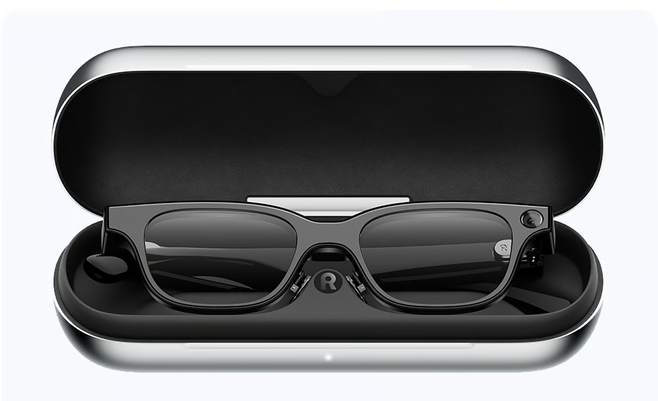
Smart wearable manufacturer Rokid recently announced the launch of its new Rokid Glasses, the latest addition to its smart eyewear lineup. These new glasses integrate Qualcomm’s AR1 platform, aiming to blend advanced AI and AR functionalities into a discreet form factor.
According to Rokid News, the new glasses are remarkably lightweight at just 49 grams, and they feature a design that is 'mostly discreet,' suggesting they might not initially be perceived as smart glasses. The outlet reports that the device supports full-function AI and augmented reality capabilities, including a 12-megapixel camera and built-in Micro-LED waveguide displays.
Rokid News highlights a wide array of AI-driven features offered by the product, such as real-time translation, object recognition, navigation, transcription, and notification access. The piece also notes that the new Rokid Glasses are currently available on Kickstarter, where they have already raised over $400,000 within hours of launch.
The outlet adds that Rokid is actively expanding its global developer ecosystem, with a target of engaging over 1,000 international developers. This initiative is designed to foster localized applications and services for users worldwide. Furthermore, Rokid News reports that the company has partnered with more than 50 universities, resulting in over 200 projects developed using Rokid’s software.
Our take: Rokid's strategic embrace of Qualcomm's AR1 platform and its focus on a lightweight, discreet design are critical elements in the burgeoning smart glasses sector. As we've consistently covered, user adoption often hinges on devices that blend seamlessly into daily life. The stated commitment to a robust developer ecosystem and academic partnerships suggests a long-term vision for content and application growth, which will be essential for the widespread success of AI-enabled eyewear.
Interactive guide — prices, displays, cameras, battery.
Share this story