Analysis · —
The Silent Comeback: Why Smart Glasses Are Ditching Cameras for Displays
Big Tech's camera obsession created a privacy minefield, pushing mainstream users away. Now, a new wave of discreet, display-first eyewear is quietly redefining the future of everyday smart glasses.

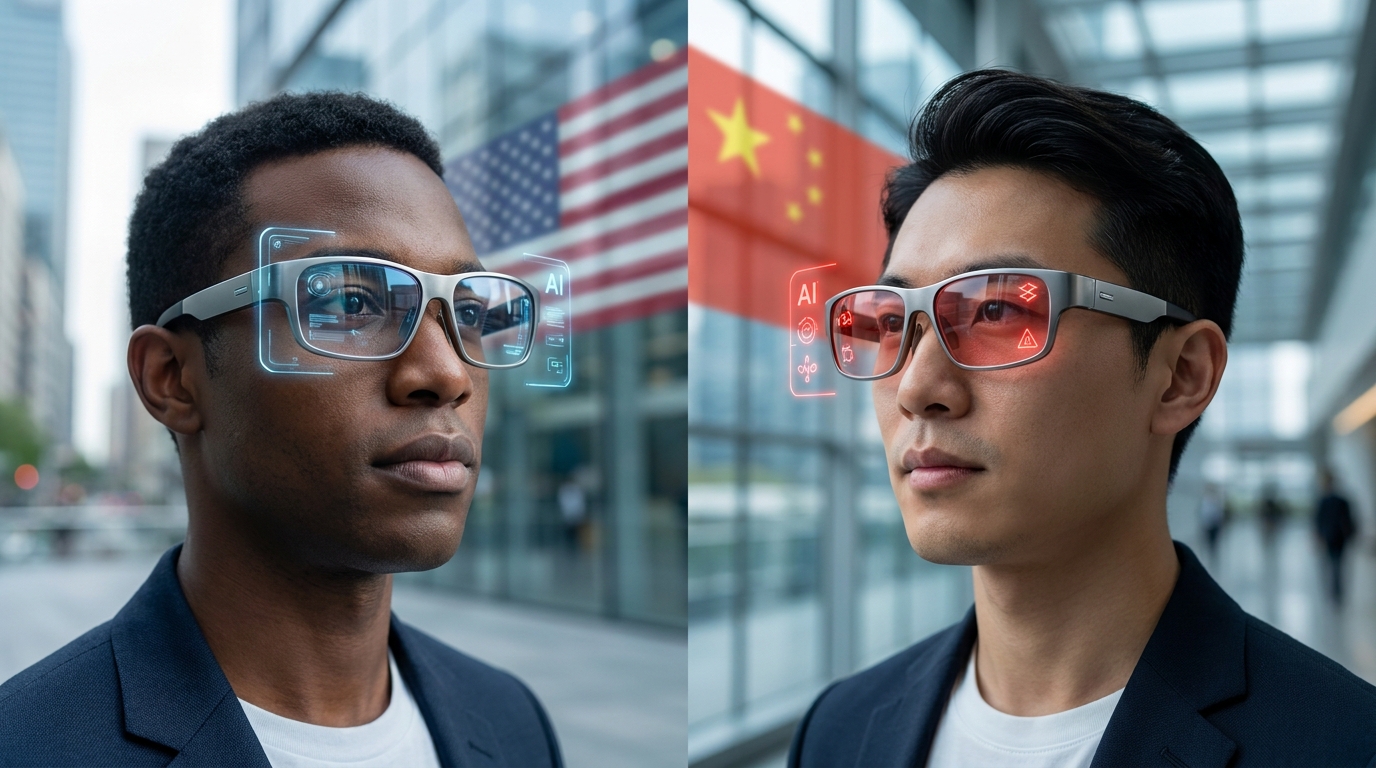
The smart glasses industry is experiencing a profound, yet understated, recalibration. While once enamored with immersive virtual realities and spatial computing, the sector is rapidly pivoting towards a more grounded reality: ubiquitous, always-on AI assistants. This strategic shift, exemplified by Apple's reported retreat from its high-cost Vision Pro towards 'Meta-like AI smart glasses,' clears the path for a different kind of innovation.
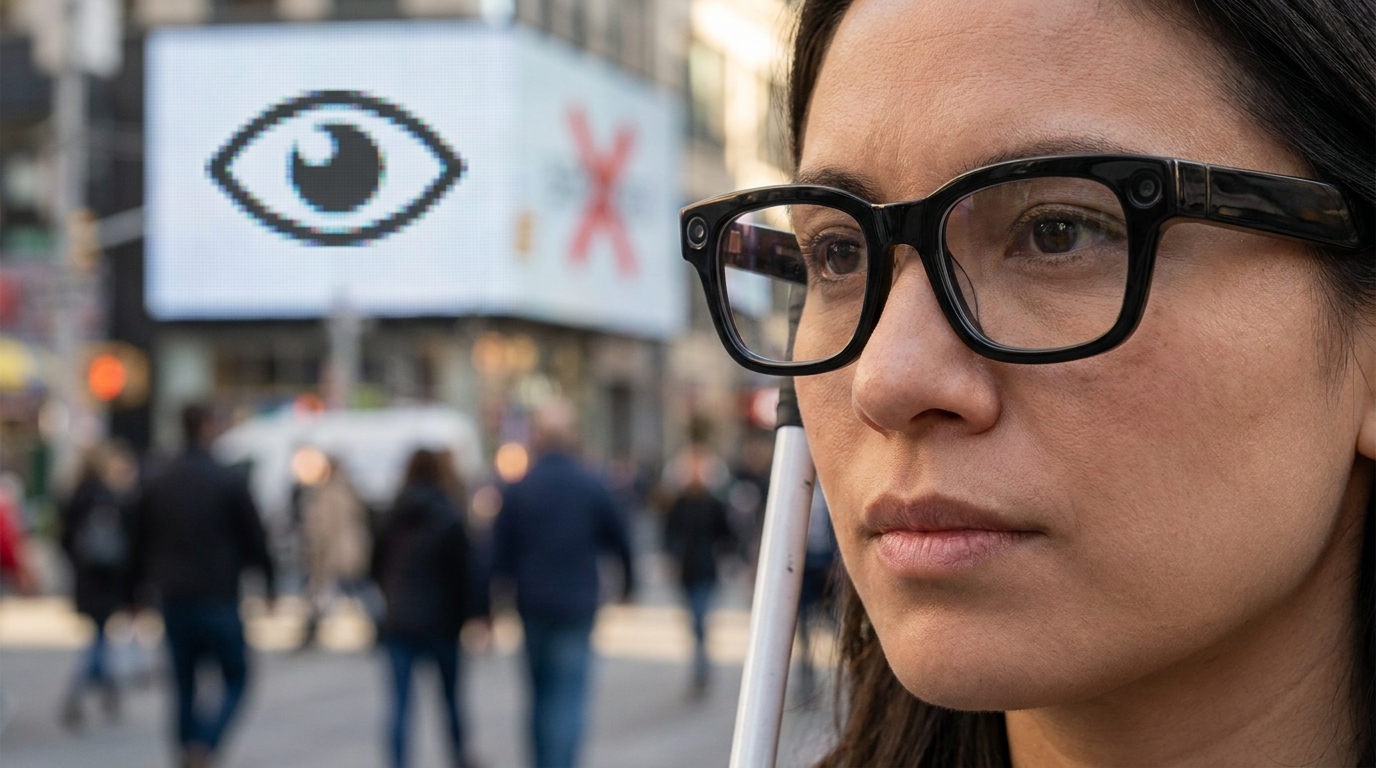
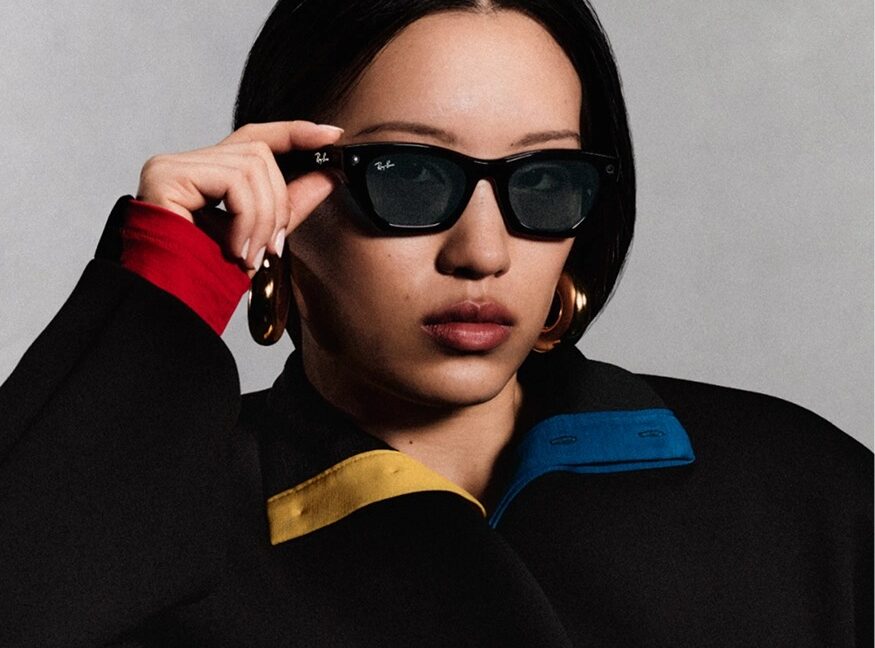
However, this pivot immediately confronts a persistent and deeply ingrained problem: cameras. The mainstream adoption of smart eyewear has been repeatedly stymied by pervasive public distrust, largely fueled by the covert recording capabilities of devices like Meta's Ray-Ban glasses. Terms like 'pervert glasses' and the development of 'kill switch' patents are stark indicators of this societal friction.
Despite earnest attempts to integrate AI, the fundamental hurdle of trust remains largely unaddressed by camera-equipped designs. Users are hesitant to wear devices that broadcast their recording capabilities, and the subtle indicator lights often prove insufficient. The public has spoken, and they clearly do not want a face computer that doubles as a surveillance device.
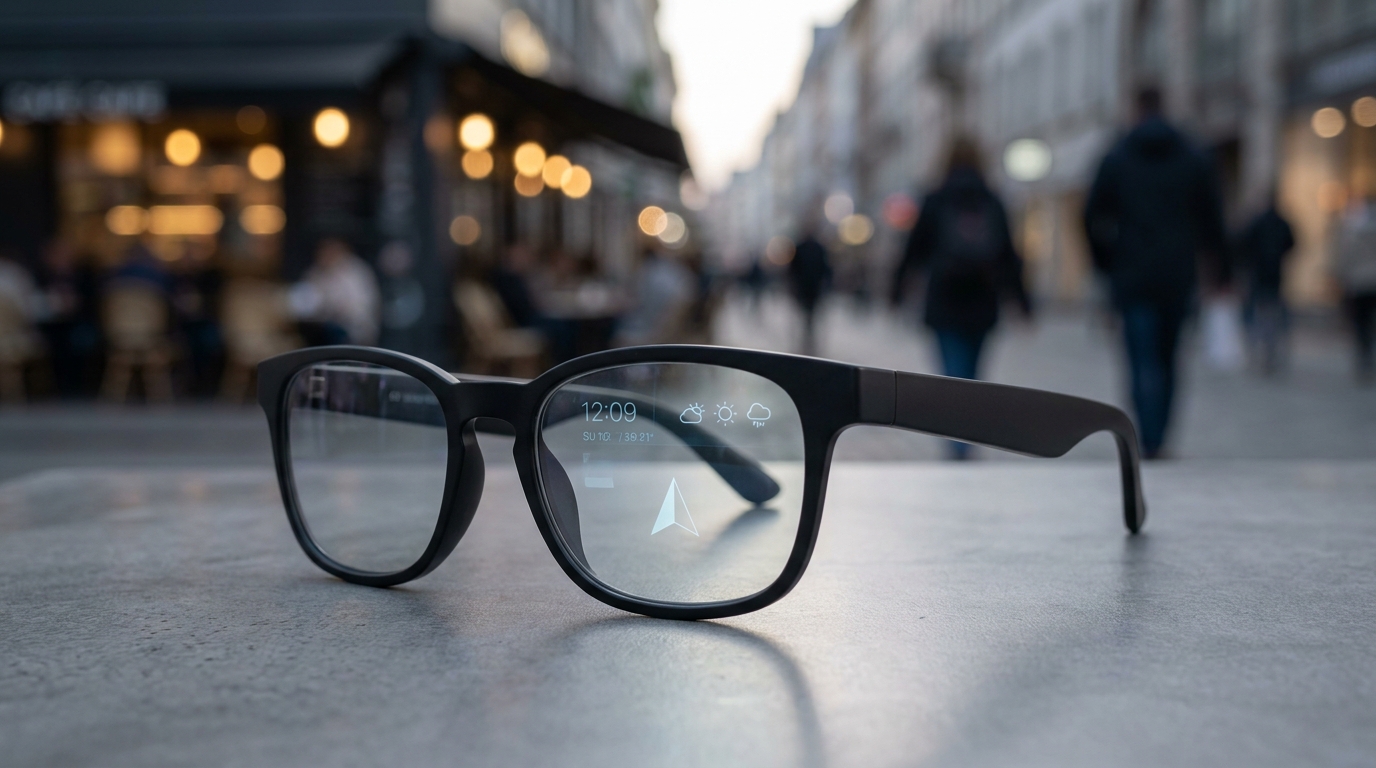
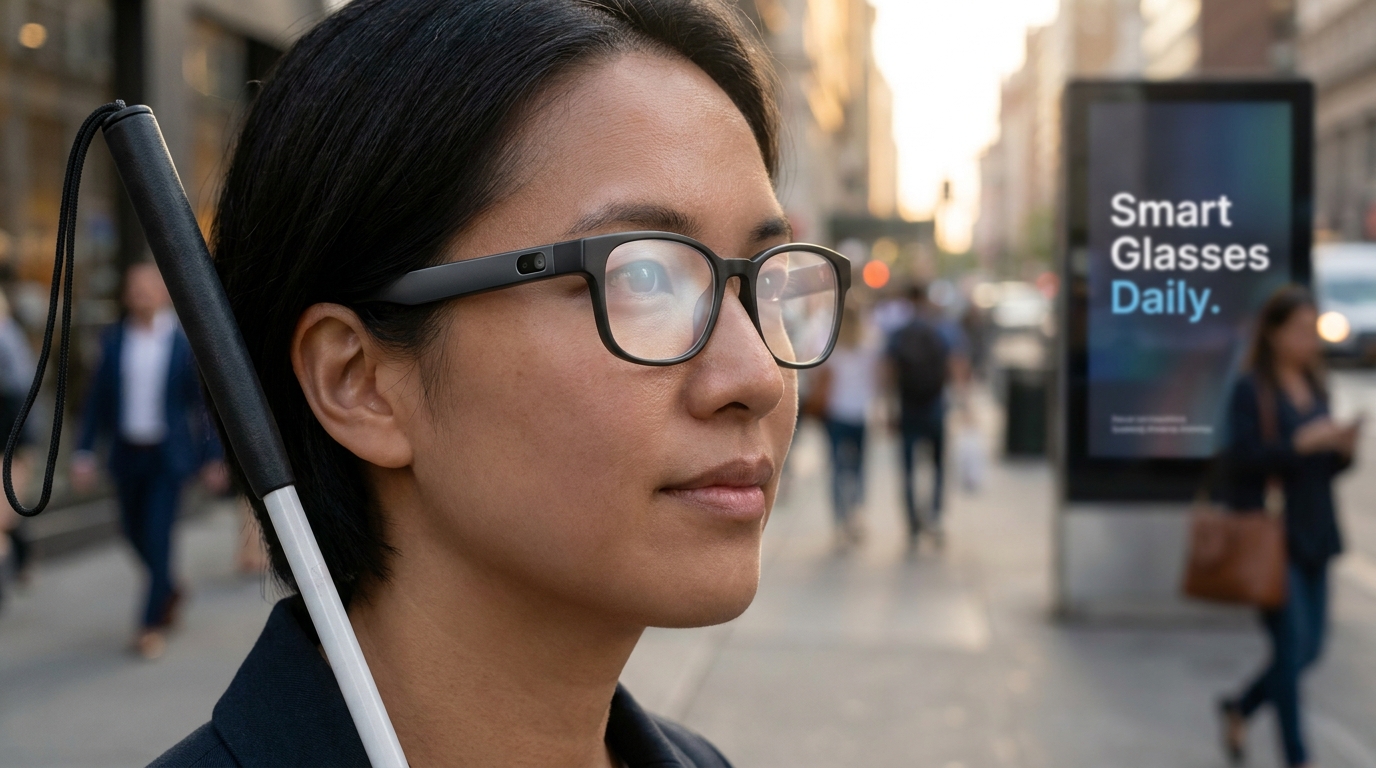
This public rejection, coupled with the industry's newfound focus on discreet AI, is catalyzing the quiet comeback of HUD-only glasses. These are devices that prioritize the subtle, on-demand display of information and AI interaction, deliberately omitting overt camera functionality. The pendulum is swinging back towards simplicity and social acceptability.
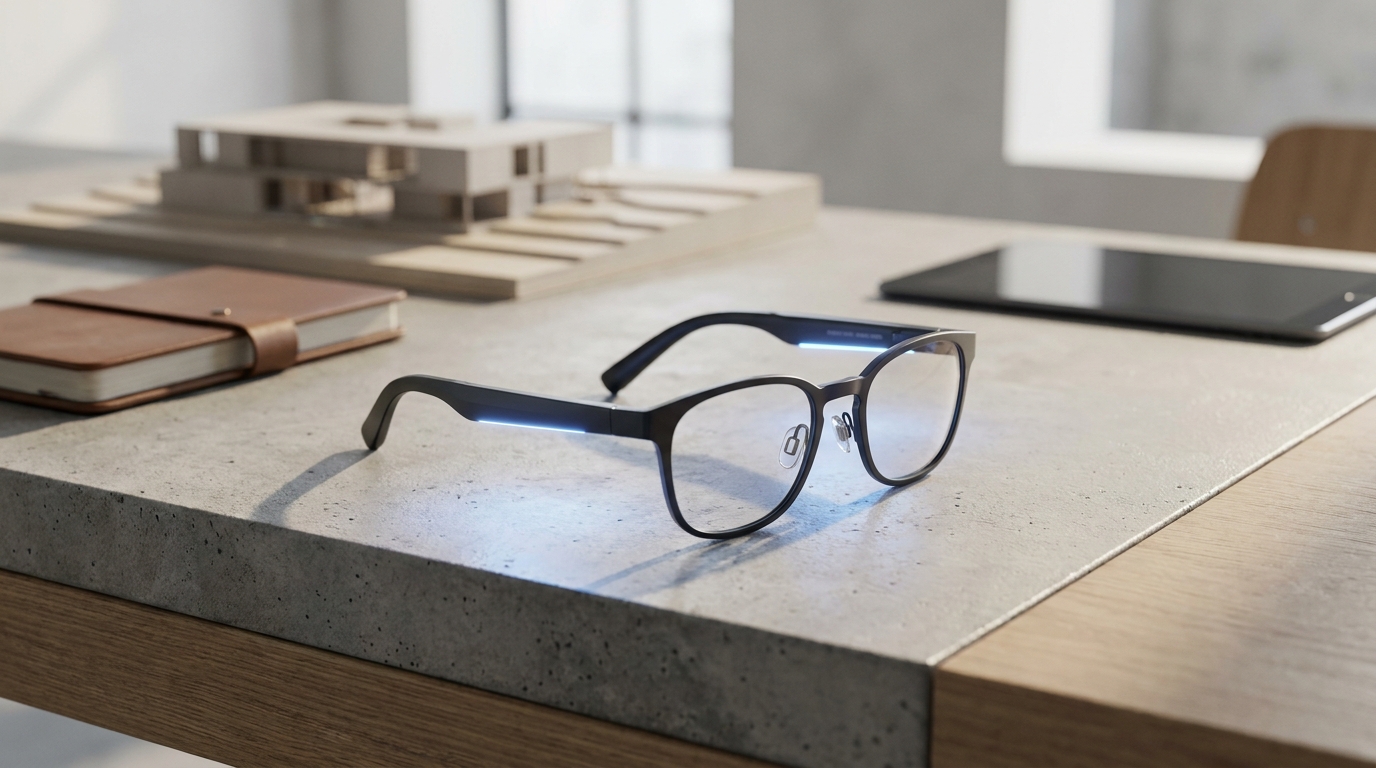
RayNeo's iO glasses offer a compelling blueprint for this emerging category. Launched camera-free, with a subtle monochrome display and robust AI capabilities, the iO directly addresses core privacy concerns. This deliberate design choice bypasses the 'voyeur glasses' accusations that plague competitors, proving that powerful AI assistance doesn't require a constant camera feed.
Furthermore, innovative architectural concepts like XRPAK's 'Portable Spatial Computer' are enabling this shift by detaching the processing 'brain' from the glasses themselves. This modular approach allows for powerful AI and compute to reside in a pocketable device, leaving the glasses light, discreet, and display-focused. It's a game-changer for form factor and social acceptance.
Android XR is poised to become the foundational operating system for this new wave of diverse and privacy-conscious eyewear. Its flexibility can power both the detached compute modules and the sleek, camera-free HUDs, creating an open ecosystem for innovation. This environment allows for specialized devices that truly meet user needs, free from an integrated camera requirement.
The success of niche HUD devices further underscores this trend. ASUS, for example, bundles its ROG XBOX Ally X20 with XREAL AR glasses, creating an immersive gaming experience through a focused display. This demonstrates a clear market for dedicated visual interfaces, where the primary utility is augmented display, not ubiquitous recording.
This isn't about dumbing down smart glasses; it's about intelligent specialization. The new generation of HUD-only devices will still be incredibly smart, leveraging advanced AI for real-time translation, notifications, and context-aware assistance. The distinction lies in their interface, prioritizing user-centric display and interaction over constant visual capture.
The future of everyday smart glasses demands discretion, not covert surveillance. Brands are finally recognizing that the path to widespread adoption lies in fostering trust, and that means re-evaluating the integrated camera. The era of the personal, ubiquitous AI assistant is moving from our pockets to our eyes, but only if it respects our privacy.
This market realignment creates significant opportunities for innovation. By shedding the baggage of integrated cameras, manufacturers can focus on core AI experiences, superior display technology, and truly comfortable, stylish designs. This shift empowers a new generation of smart glasses innovators to define wearable intelligence on their own terms.
The industry's pivot, driven by user feedback and technological maturation, points to a clear conclusion. The 'silent comeback' of HUD-only glasses, championed by forward-thinking designs like RayNeo's iO and enabled by modular architectures, signals a fundamental reorientation. The future of smart eyewear is about what you see, not what it sees.
Interactive guide — prices, displays, cameras, battery.
Share this story