News · Meta
Meta Hardens Ray-Ban, Oakley Smart Glasses Capture LED for Privacy
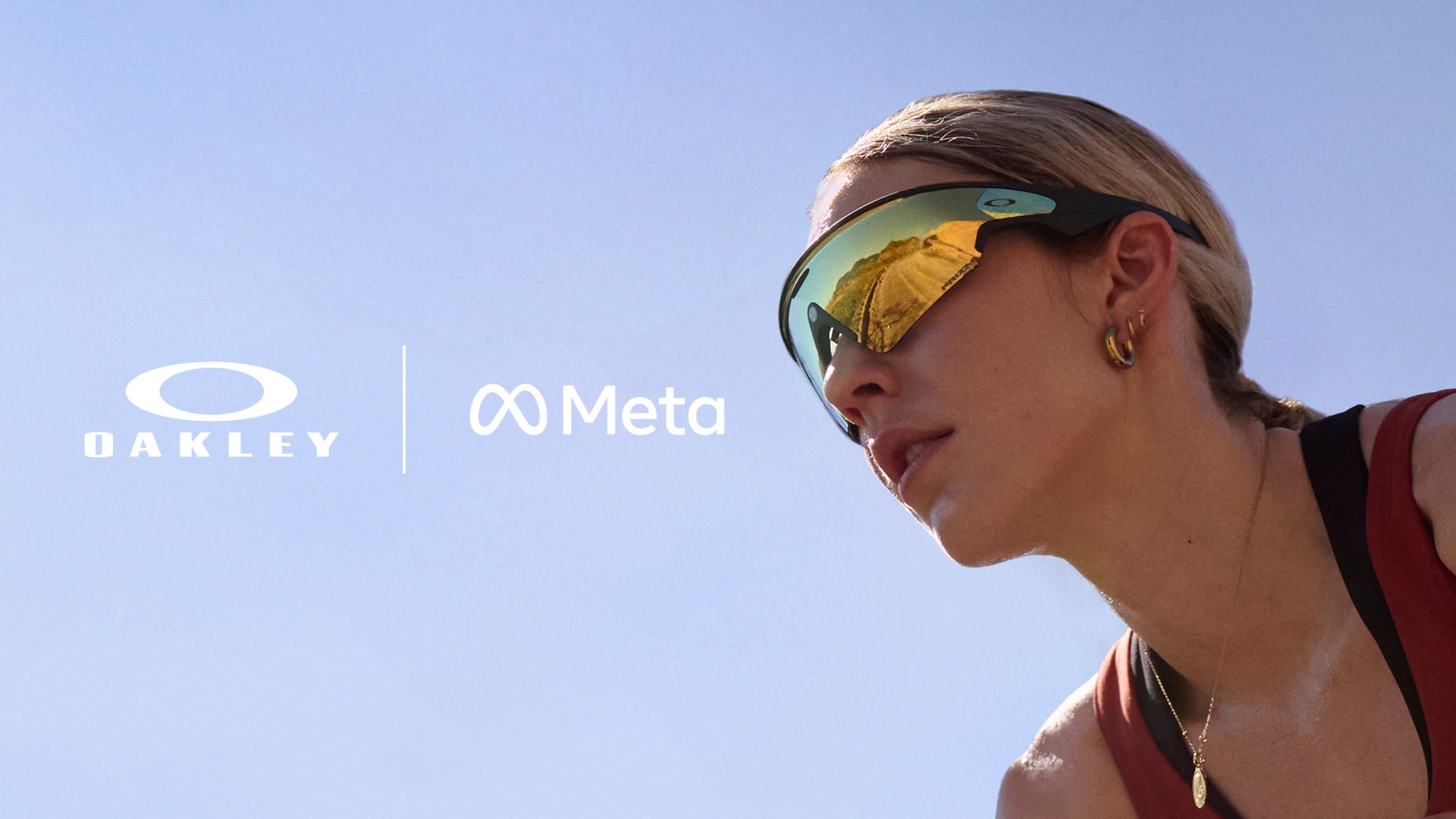
Meta has delivered two mandatory software updates within two months for its Ray-Ban Meta and Oakley Meta smart glasses. These releases now enforce the capture LED's visibility, a direct response to public privacy concerns and a strategy to redefine trust in wearable cameras.
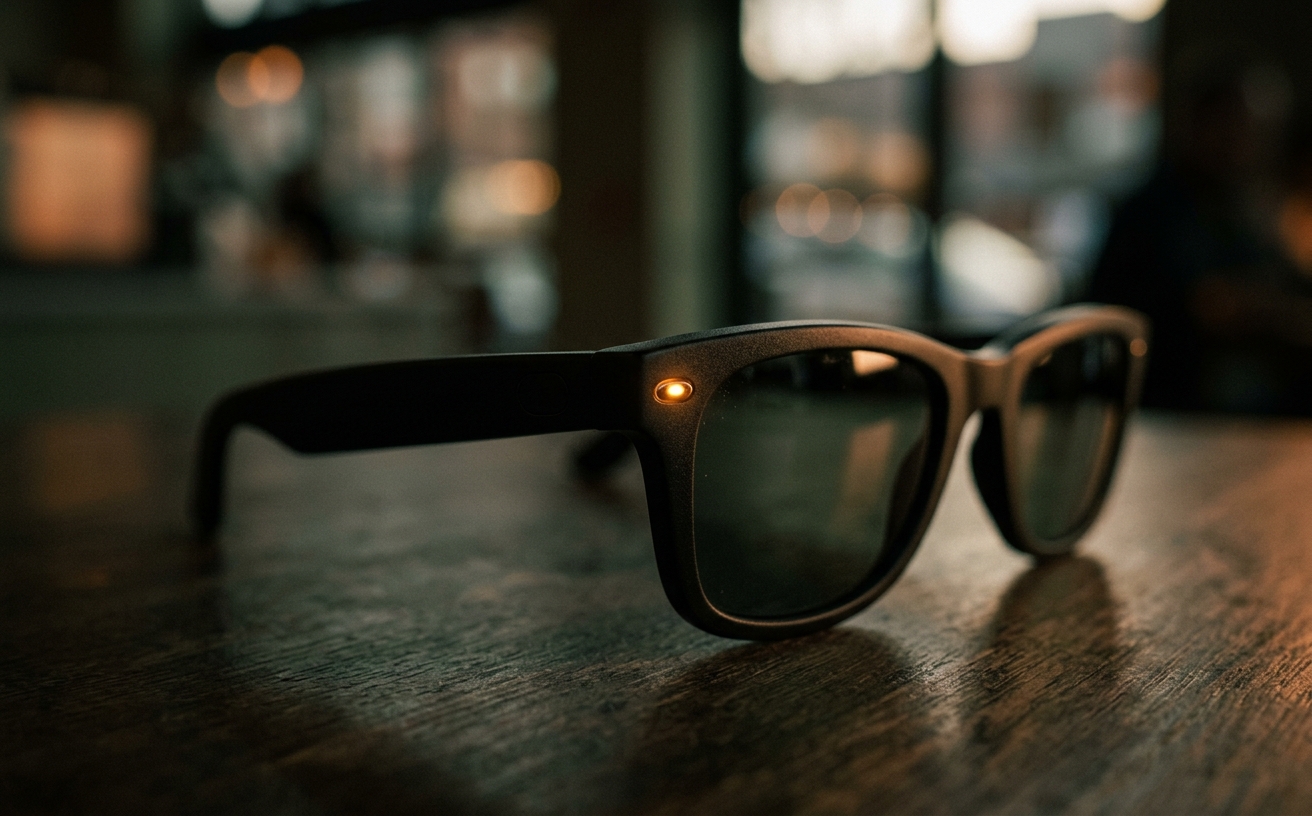
Meta has deployed two critical firmware updates for its Ray-Ban Meta and Oakley Meta smart glasses, transforming the capture LED into a mandatory recording condition. The first update, rolled out in early July 2026, blocked camera activation if the indicator light was detected as tampered with or removed. Following this, a second update, confirmed by Meta's VP of AR Alex Himel and released on August 27, 2026, further tightened controls by automatically halting any recording if the LED is obscured mid-capture.
This progression from a pre-capture check to continuous monitoring fundamentally shifts the capture LED's role. It is no longer a mere warning but a direct hardware permission. If bystanders cannot see the light, the recording effectively ceases.
Beyond engineering, Meta is investing in public communication, a tactic competitors have yet to mirror. The company launched an advertising campaign, including billboards, specifically to educate non-wearers about the LED's meaning. As Meta (Alex Himel, VP of AR) noted, prior research and street tests in 2026 indicated that most people were unaware the small white dot signified an active camera.
This aggressive stance aims to shed the 'pervert glasses' label that plagued mainstream discourse through the first half of 2026. The term gained traction following harassment incidents, a privacy-related criminal complaint in Germany, and a US Immigration and Customs Enforcement ban on the devices for its own personnel. This reputational damage unfortunately impacted even blind and low-vision users, for whom these glasses offer significant autonomy.
However, European regulators maintain that the LED's visibility is not the core legal challenge. Data protection authorities emphasize that the primary issue is the absence of a lawful basis for filming bystanders, rather than the indicator itself. While these updates mitigate abuse potential, they do not resolve fundamental consent issues under European law, a debate Meta still faces.
Our take: What makes this push significant is that Meta is initiating it from a position of market strength. EssilorLuxottica's H1 2026 revenue increased by 9.7% at constant exchange rates, with AI glasses revenue nearly doubling in the second quarter alone. Counterpoint Research highlighted a 212% year-on-year growth in the global smart glasses market for H1 2026, largely crediting Meta and EssilorLuxottica's expansion. This indicates the category is moving beyond niche adoption, underscoring Meta's need to control its public image carefully.
There is also a strategic competitive element. Enforcing a tamper-proof capture light is feasible for Meta because it controls the firmware, the application, and the retail distribution. Many budget camera glasses from smaller vendors currently ship with either barely visible indicators or none at all, and lack an update mechanism to add one. If regulators eventually mandate enforced recording indicators, Meta will already be compliant, leaving less-controlled competitors vulnerable.
However, challenges remain. The LED can still be difficult to see in bright daylight, and those selling stickers or modifications continue to adapt. More sophisticated device modifications could also bypass software enforcement. Furthermore, Meta holds patents for facial recognition features and kill switches for smart glasses, indicating an exploration of capabilities that could elevate the privacy stakes of every recording, even as they harden the indicator.
We've been tracking this trend: for years, the industry largely treated the recording light as a minor detail. Within two months, Meta has made it fundamental to operation. The critical question now is whether this standard will extend to Android XR devices, Alibaba's Qwen glasses, and the influx of Chinese camera eyewear, or if enforced capture indicators will become the definitive line between brands that can withstand privacy scrutiny and those that cannot.
Source: Meta (Alex Himel, VP of AR) ↗
Interactive guide — prices, displays, cameras, battery.
Share this story