Analysis · —
The Invisible AI: Why Mass-Market Glasses Go Camera-Free
Big Tech's camera obsession created a privacy crisis, stalling smart eyewear's mainstream ascent. The true path to ubiquitous AI glasses lies in discretion, trust, and zero surveillance.
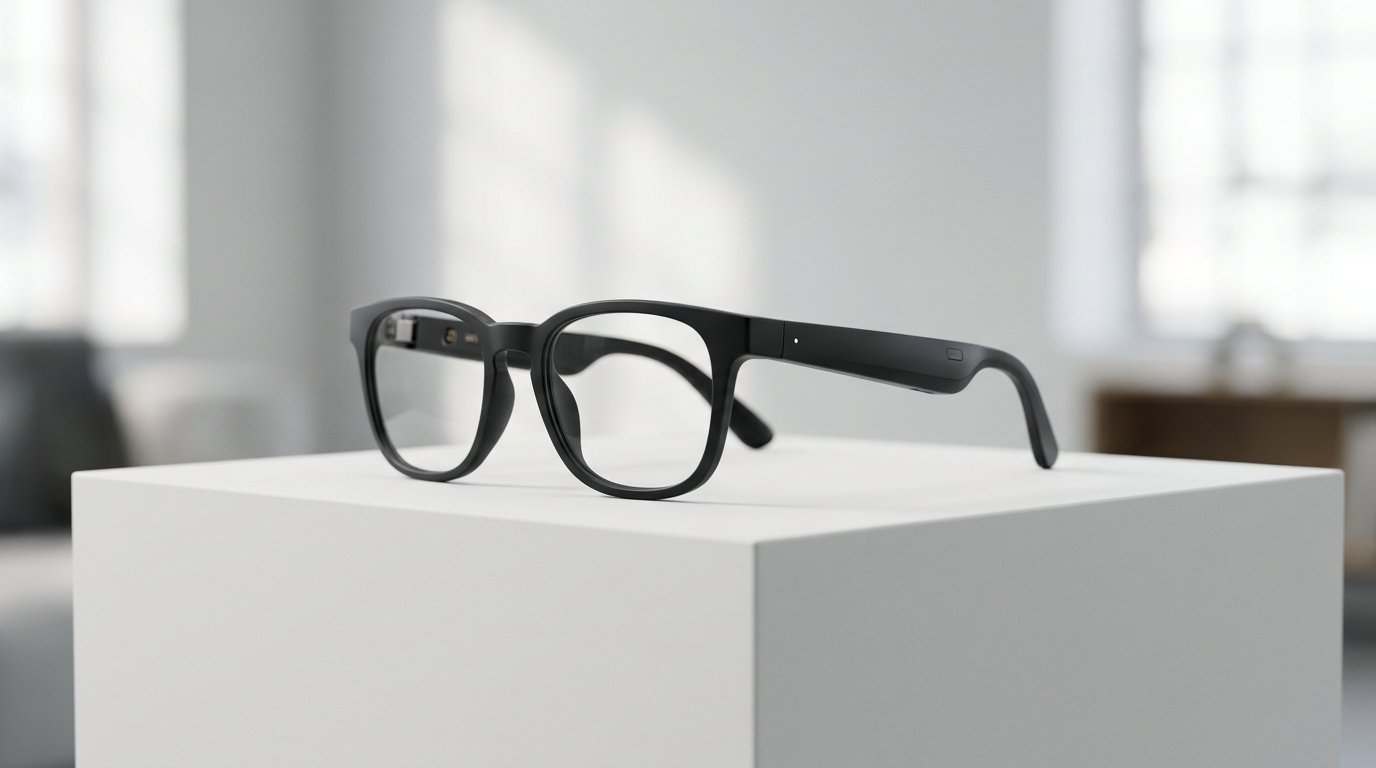
The smart eyewear industry is at a crossroads, and most players are still looking in the wrong direction. While the narrative correctly pivots towards ubiquitous, always-on AI assistants, a foundational misstep persists: the relentless inclusion of cameras. This isn't just an engineering challenge; it's a social and psychological barrier that has repeatedly alienated the very mass market these companies claim to serve.
Consider Meta's recent flurry of privacy fixes for its Ray-Ban Meta and Oakley Meta smart glasses. The mandatory capture LED, designed to halt recording if obscured, and the 'kill switch' patent, are telling admissions. These are reactive bandages on a festering wound of public distrust, not proactive solutions. Terms like 'pervert glasses' don't vanish because an LED is harder to disable; they persist because the underlying capability for covert recording exists at all.
Apple's reported retreat from the high-cost, high-fidelity Vision Pro towards 'Meta-like AI smart glasses' confirms a seismic industry shift. The era of premium spatial computing spectacle is yielding to a more intimate, integrated future. However, if 'Meta-like' means maintaining a camera-first approach, Apple risks inheriting Meta's privacy baggage rather than truly innovating for the masses.
The undeniable truth is that cameras are the singular biggest impediment to mainstream adoption. They foster an environment of suspicion, fueling a technical arms race where detection apps emerge to counter hidden surveillance. For a device to become truly ubiquitous, to be worn daily without a second thought, it must first earn trust, and a camera, however subtly integrated, fundamentally undermines that trust.
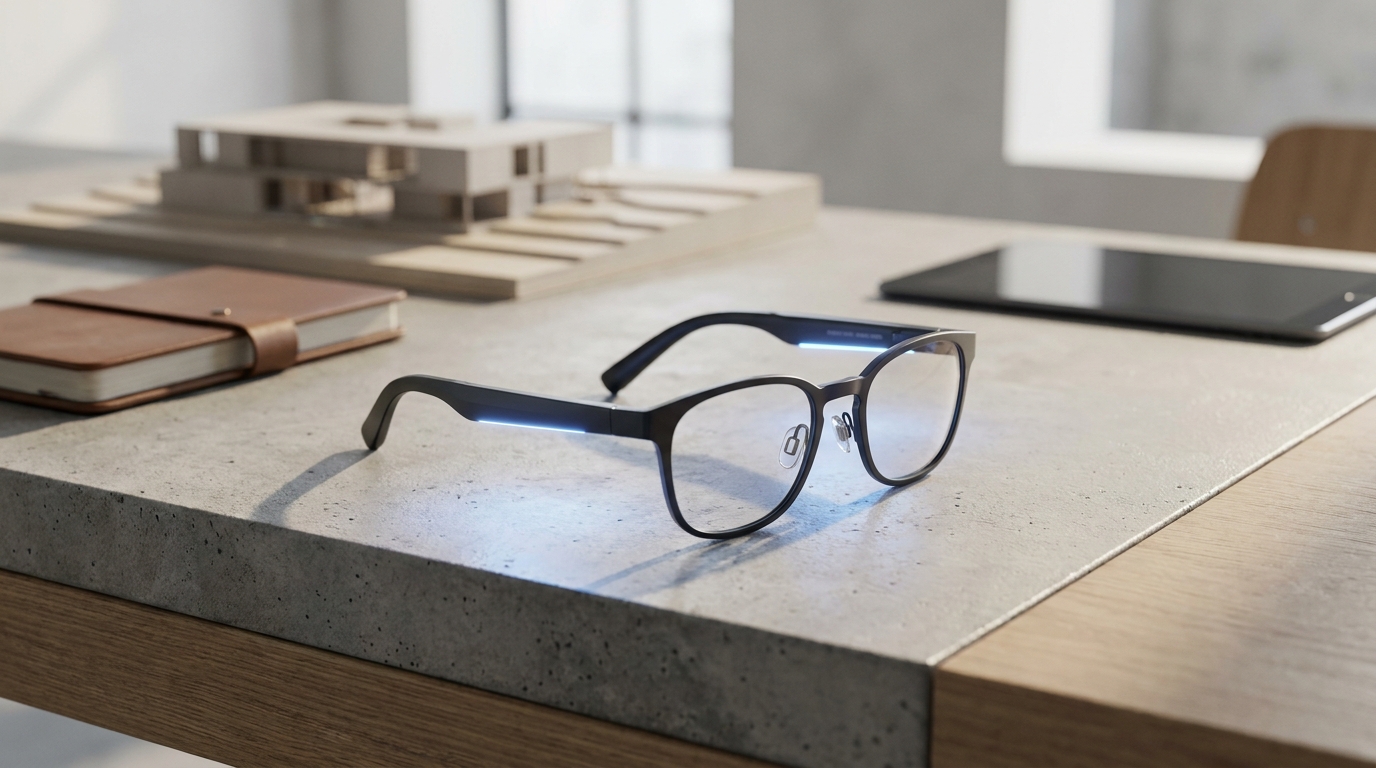
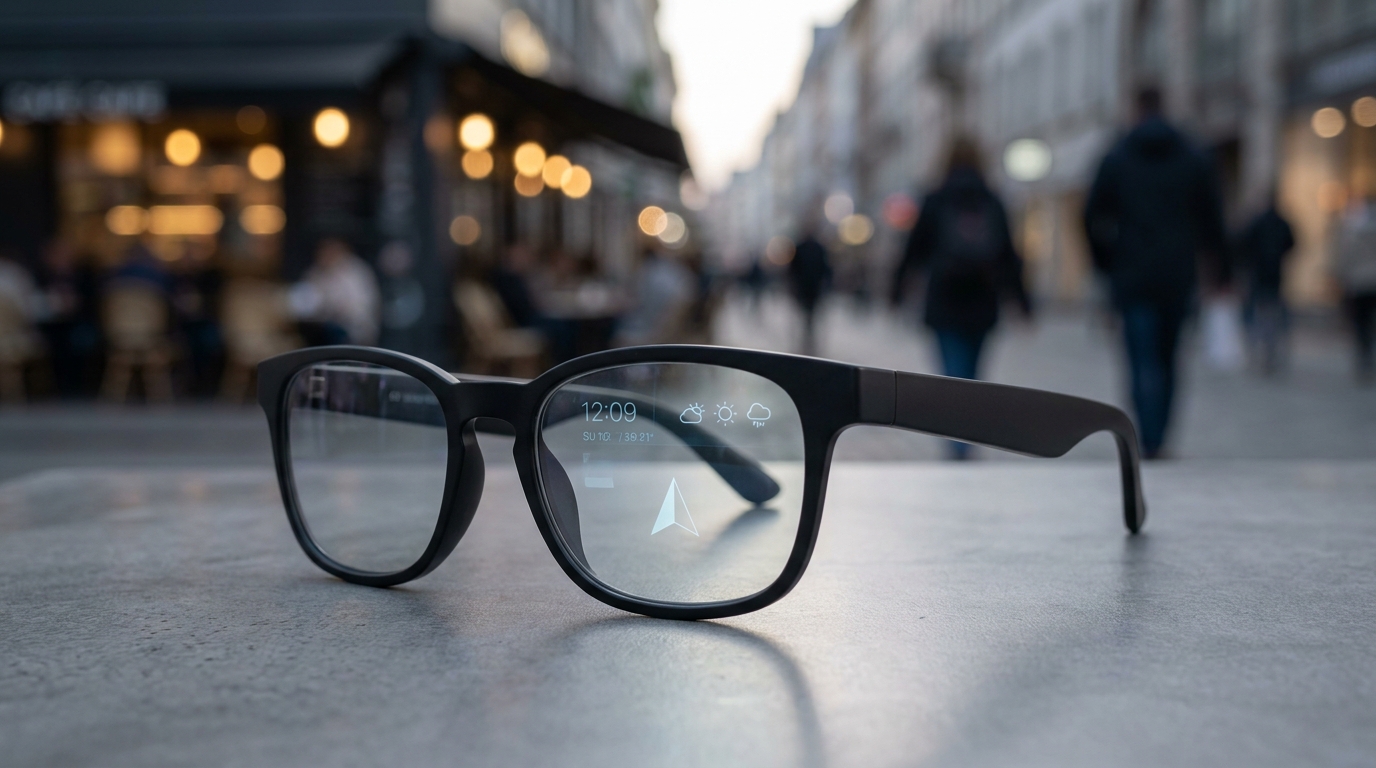
This is where the display-less, camera-free AI glass emerges as the real mass-market play. Imagine a pair of glasses indistinguishable from regular eyewear, housing an 'invisible brain' that's always listening, always assisting, but never recording or displaying intrusive visual overlays. Its utility comes from seamless audio interaction, contextual awareness from discreet sensors, and perhaps subtle haptic feedback, not from a lens pointed at your interlocutor.
The focus shifts entirely to the AI assistant experience, untainted by privacy concerns. Such a device bypasses the 'pervert glasses' stigma entirely. It's a discreet, personal assistant, not a surveillance tool. This approach aligns perfectly with Meta's stated goal of an 'unobtrusive AI assistant', a goal continuously undermined by their own camera-equipped hardware.
Furthermore, shedding the camera and complex display technology brings significant advantages in form factor and cost. Without bulky sensors and power-hungry screens, glasses can be lighter, more comfortable, and genuinely stylish. This is crucial for a device intended for all-day wear, dissolving the technological barrier into everyday fashion.
The architectural innovation proposed by XRPAK with its 'Portable Spatial Computer' hints at this future. By detaching the 'brain' from the glasses themselves, the eyewear can become even more minimalist, focusing on essential sensors and audio output. The heavy lifting of AI processing can occur in a pocketable device, communicating wirelessly with truly 'dumb' but smart-enabled glasses.
This modularity, coupled with the rise of foundational operating systems like Android XR, opens the door for a new wave of diverse, affordable, and privacy-conscious eyewear. Manufacturers can focus on design and sensor integration, off-loading the computational burden and, crucially, the camera-related trust issues.
While niche products like the ROG XREAL R1 Edition 20 Gaming AR Glasses, bundled with handhelds like the ROG XBOX Ally X20, demonstrate a valid, display-centric market, they are not the blueprint for mainstream AI assistants. Their purpose is immersive entertainment, not subtle, ubiquitous utility.
The industry needs to stop trying to force cameras into every smart eyewear proposition. Meta's continued efforts to 'harden' privacy on camera-equipped glasses only reinforces the problem's existence, rather than offering a solution that genuinely inspires public confidence. Trust is built on absence of threat, not on a diligently enforced warning light.
For smart glasses to finally move beyond niche markets and into every purse and pocket, they must disappear. Not in functionality, but in perceived presence. The most successful AI glasses will be the ones you don't notice, the ones bystanders don't fear, and the ones that prioritize your peace of mind above all else. That means no camera, and for many, no display.
Interactive guide — prices, displays, cameras, battery.
Share this story