Manufacturer News · Rokid
Rokid Unveils Dual AI Glasses in France: Display and Voice Models Arrive
Chinese manufacturer Rokid has announced the availability of its Rokid AI Glasses and Rokid AI Glasses Style in France. One model features an integrated display, while the other prioritizes voice-based AI interactions.
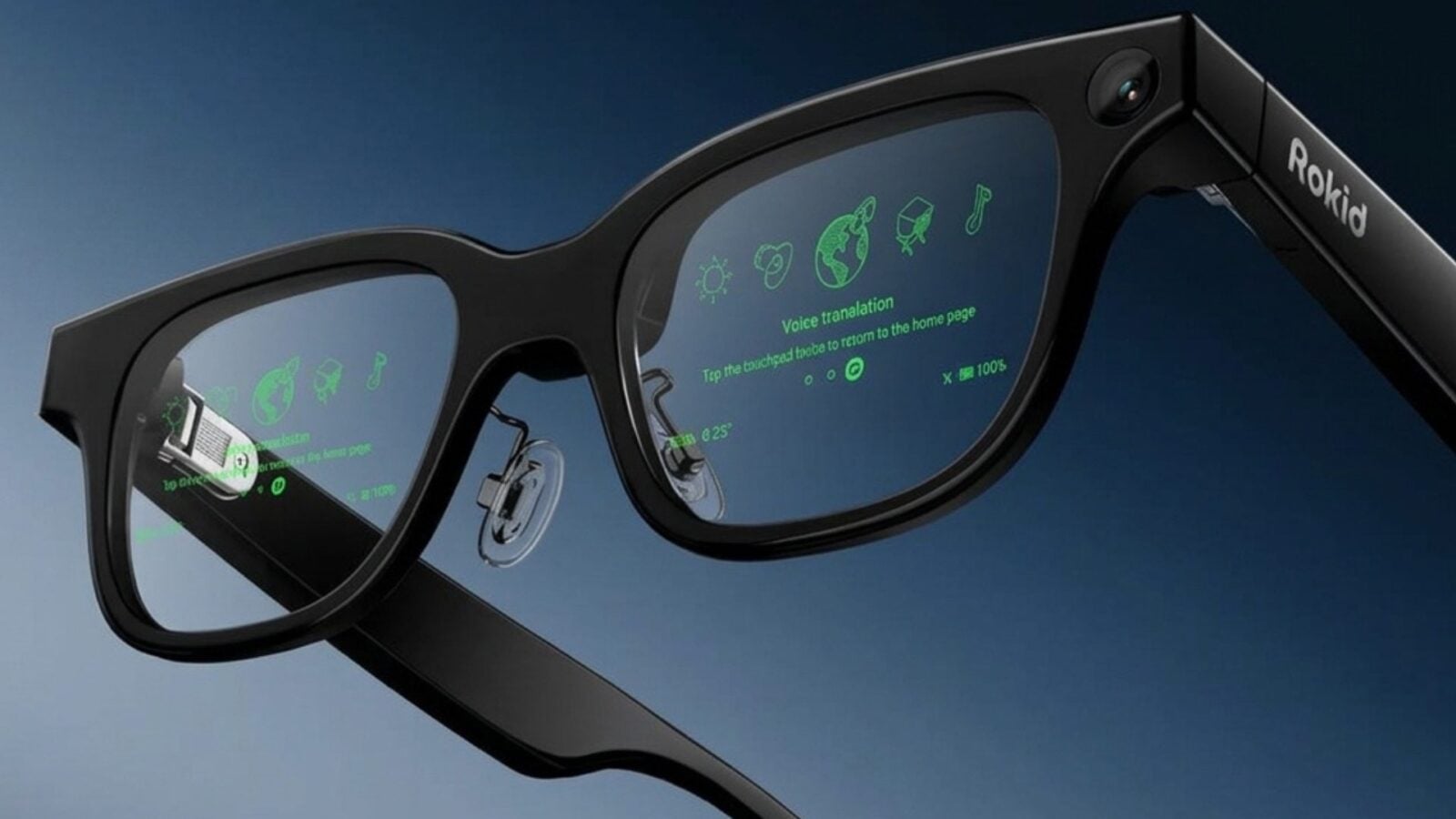
Chinese augmented reality specialist Rokid leveraged the Mondial de l’Optique event in Villepinte to announce the French market entry of two smart eyewear models: the Rokid AI Glasses and Rokid AI Glasses Style. Announced October 1, 2026, the Rokid AI Glasses incorporate a display, positioning them as AR glasses. The Style model, however, emphasizes voice AI, directly competing with devices like the [Meta Ray-Ban](https://www.01net.com/actualites/meta-degaine-2-nouvelles-lunettes-connectees-ray-ban-dont-une-version-sans-camera.html) smart glasses, as 01net.com reports. Both models will be available online and initially through Krys Opticiens stores in Paris, with broader national rollout planned.
The Rokid AI Glasses feature an integrated Micro-LED screen, capable of projecting textual information directly onto the lenses. This augmented reality approach aims to keep users’ smartphones pocketed, providing navigation prompts, music controls, AI responses, object descriptions, and real-time translation or transcription. The glasses support both ChatGPT and Gemini, with an open architecture for other AI models. A 12 Mpx camera handles photos and videos. Weighing 49 grams, the device is notably light for a display-equipped pair of smart glasses. Priced at 699 EUR, a bundled option for 649 EUR includes the glasses, a charging case, and a 156 EUR voucher for accessories. Pre-orders are open until October 22.
In contrast, the Rokid AI Glasses Style forgo a display, focusing entirely on voice interaction with integrated AI models like Gemini and ChatGPT. This model also includes a 12 Mpx camera, supports interaction in 12 languages, and offers translation in 86. At just 38.5 grams, it’s even lighter than its display-equipped counterpart. The Rokid AI Glasses Style are available for 499 EUR, with a 449 EUR bundle including the glasses, a charging box, and photochromic lenses. Developers can leverage AIUI Studio, an environment for creating applications using natural language, removing the need for traditional programming skills.
Our take: Rokid’s dual-pronged approach, offering both screen-based AR and voice-first AI glasses, provides consumers with distinct choices. The display model aims for hands-free information consumption, while the Style model directly challenges the growing voice-assistant smart glasses market. This strategy could help Rokid carve out a significant niche, especially given its competitive pricing and AI flexibility. The strategic retail partnership with Krys Opticiens in France also indicates a serious push for mainstream adoption.
Interactive guide — prices, displays, cameras, battery.
Share this story