News · Meta
Meta Patent Details AI Facial Recognition For Future Smart Glasses
A newly published patent application from Meta outlines an AI camera system for its smart glasses, capable of facial recognition, expression analysis, and automated media creation.
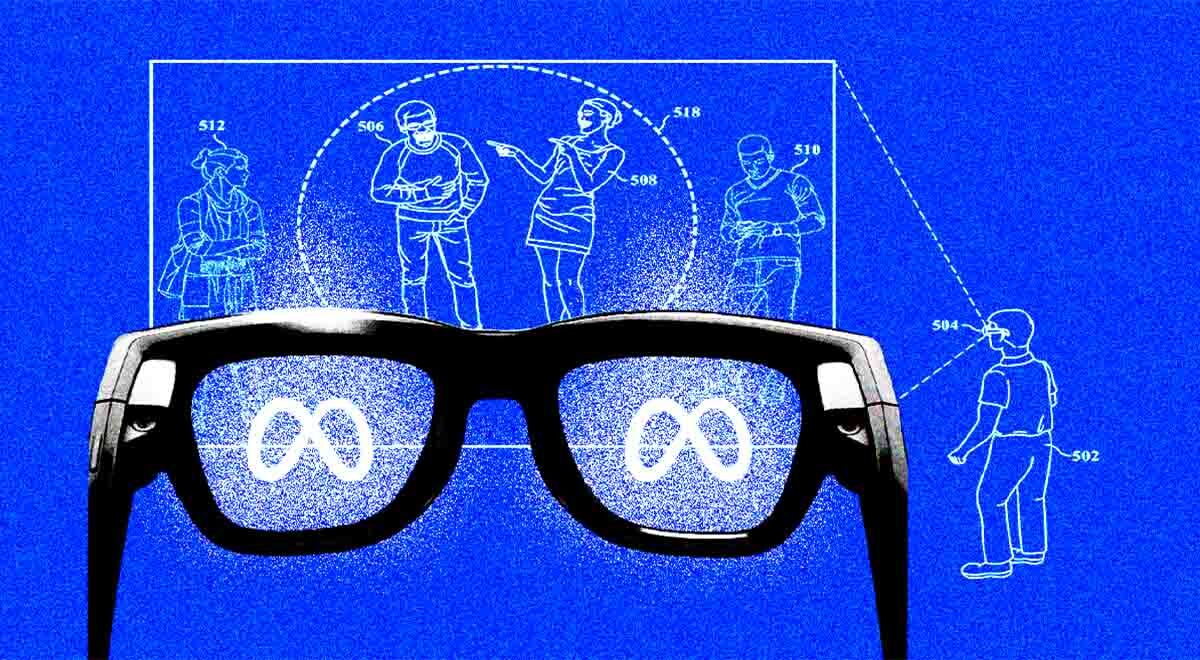
On August 17, 2026, a new patent filing from Meta Platforms Technologies, the entity behind Meta's Ray-Ban smart glasses and VR hardware, came to light. The application describes an advanced AI camera system designed for smart eyewear, detailing capabilities for facial recognition and expression interpretation. Cybernews reports that this system could identify individuals, analyze their actions, and transform these observations into personalized media and searchable "memories."
Illustrations within the patent, described by Cybernews as "eerie," depict smart glasses scanning guests at a dinner party, identifying faces, and even determining "who is interesting enough to film." This functionality would automatically generate highlight reels and categorized memories based on detected interactions and people encountered. Such explicit integration of facial recognition into wearable tech, as Cybernews notes, is likely to alarm privacy advocates.
Meta has faced considerable scrutiny over privacy in its smart glasses ventures before. Cybernews points out that the company previously scrapped its NameTag facial recognition tool in June. Furthermore, the publication highlights that courts in both the UK and New York have issued bans on the use of Meta's smart glasses in certain contexts, underscoring existing public and legal apprehension.
Our take: While a patent is not a guarantee of a future product feature, this filing offers a stark look into Meta's ambitions for deeply integrated AI in its smart glasses. The ability to passively scan and record interactions, then create searchable databases of personal encounters, pushes the boundaries of acceptable public surveillance. The ongoing legal and public pushback Meta experiences suggests that deploying such a system would ignite significant controversy, regardless of perceived user benefits.
Interactive guide — prices, displays, cameras, battery.
Share this story