Manufacturer News · Meta
Meta Partners With Lionsgate for Hunger Games 3D on Upcoming VR Glasses
A Hollywood partnership signals Meta's push into theatrical 3D conversions, setting up exclusive spatial content for its lightweight VR glasses in 2027.

Meta announced an official partnership with studio Lionsgate this week to bring 'The Hunger Games: Sunrise on the Reaping' to movie theaters in stereoscopic 3D, followed by an exclusive spatial release on its upcoming Meta VR Glasses in spring 2027. According to Meta Blog (www.meta.com), the theatrical conversion represents the first time the company has collaborated with a major Hollywood studio to convert a feature-length film into 3D specifically to support both a theatrical run and a future hardware ecosystem.
To handle the stereoscopic post-production, Meta teamed up with visual effects firm DNEG alongside director Francis Lawrence, who helmed the prior installments in the franchise. The conversion aims to revitalize theatrical 3D interest ahead of the movie's nationwide premiere on November 20, where advance tickets are already being marketed for stereoscopic screenings. Meta Blog (www.meta.com) notes that the long-term payoff will arrive once the movie transitions to home XR hardware, anchoring a growing portfolio of spatial cinematic experiences.
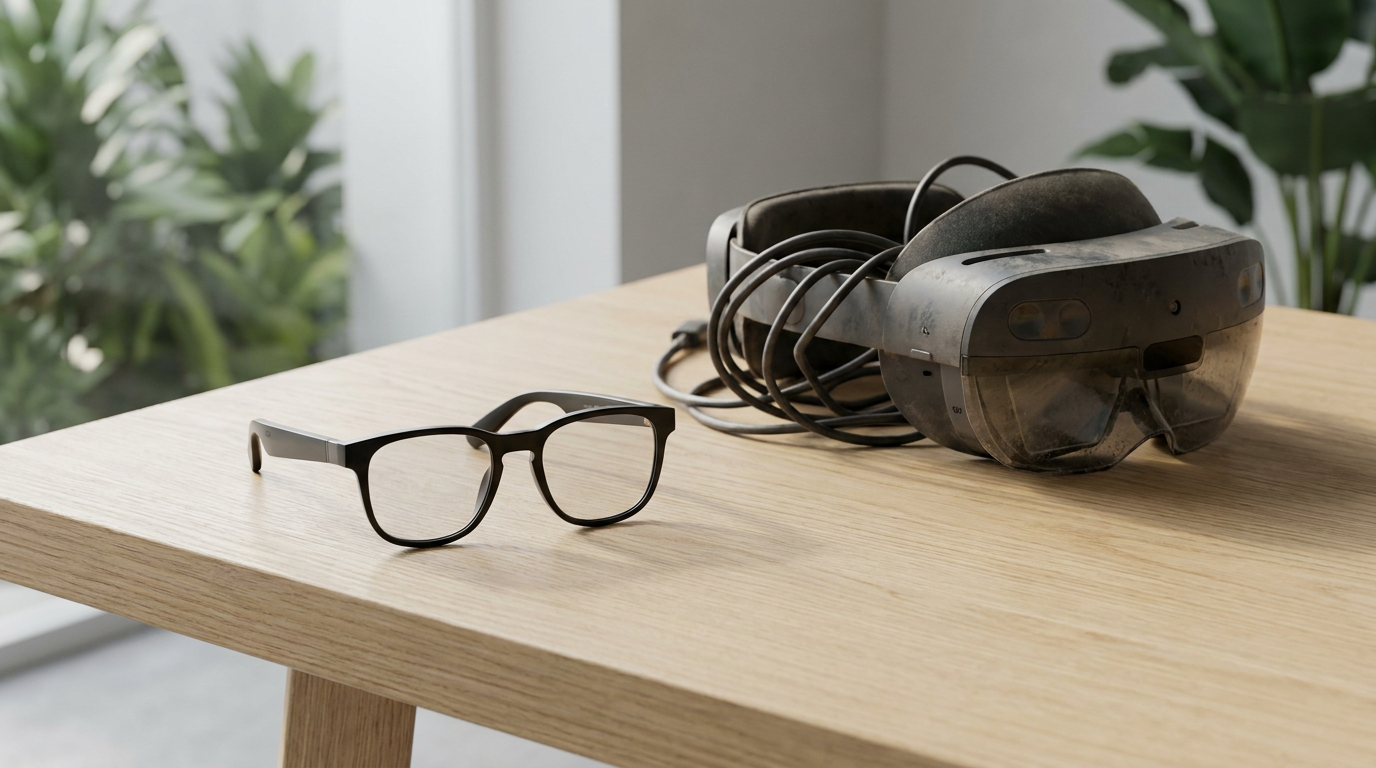
The announcement quietly confirms a crucial milestone for Meta's hardware roadmap: the explicit retail target of spring 2027 for its dedicated 'Meta VR Glasses.' While the company's standalone Quest headsets currently support stereoscopic video apps, Meta has spent years researching lightweight spatial eyewear that strips bulk from traditional VR designs. By locking in marquee franchises years in advance, Meta is attempting to ensure that when these sleeker glasses arrive on consumer shelves, users will have recognizable, high-budget Hollywood content waiting on day one.
What this means for the spatial entertainment landscape: Meta is borrowing a page from premium competitors while democratizing the pipeline. When Apple introduced the Vision Pro, it leaned heavily on spatial 3D movies from Disney and other studios as an anchor use case for high-resolution displays. However, Apple relied primarily on existing 3D digital masters and native spatial captures. Meta is directly co-funding theatrical conversions with DNEG, using theatrical runs to amortize the cost before bringing the exclusive 3D master into its own headset and glasses library.
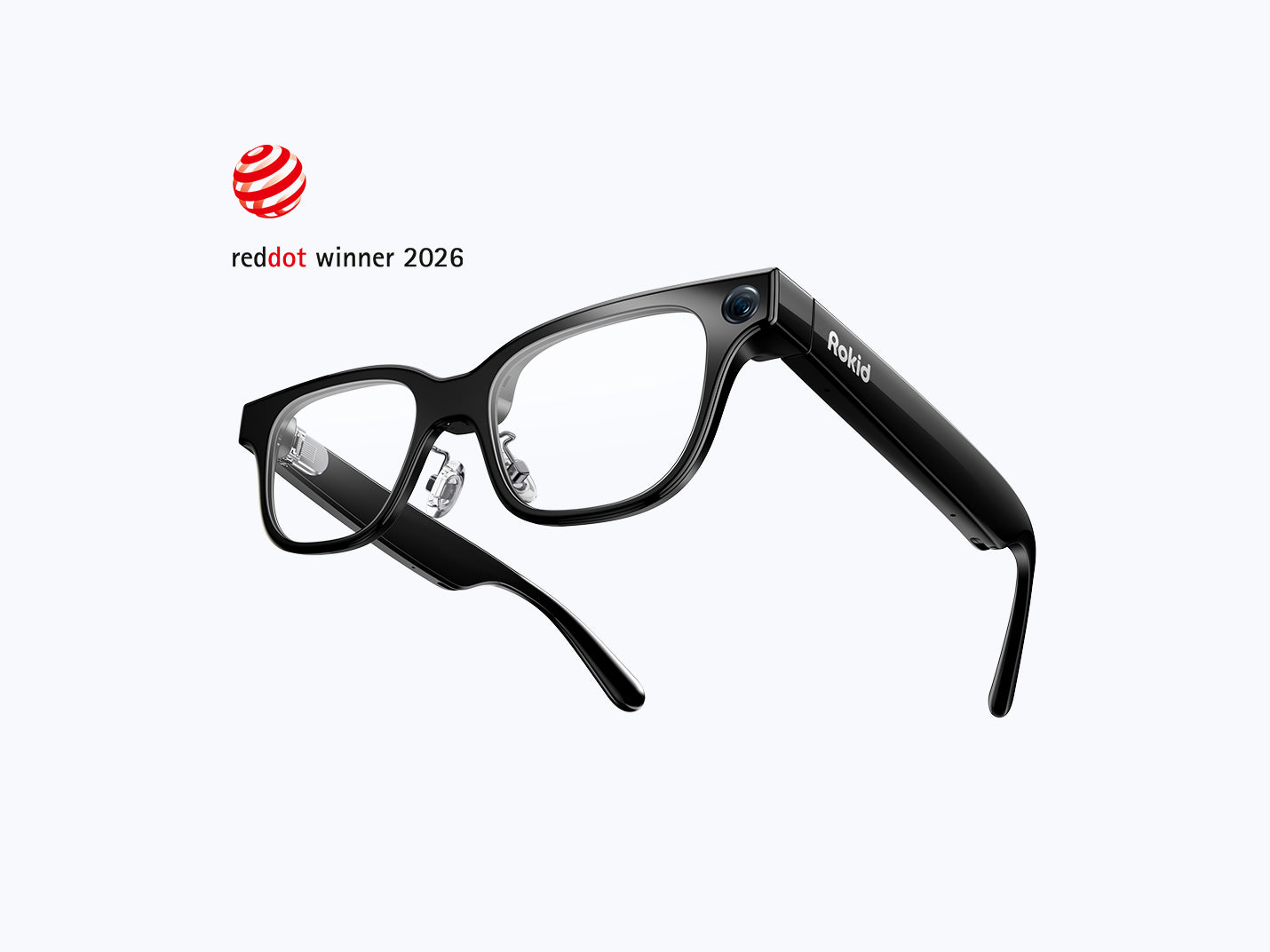
How it compares: Traditional media consumption in virtual and mixed reality headsets has historically suffered from low engagement once the initial novelty wears off. Hardware like the Xreal Air series, Rokid Max, and RayNeo visual glasses rely on external media players or smartphones, framing themselves as virtual monitors. Meta, by contrast, wants an integrated content ecosystem tied directly to Meta Horizon OS. If Meta can offer full studio releases in stereoscopic depth that cannot be streamed in 3D anywhere else at home, it creates a moat that peripheral monitor glasses cannot easily replicate.
Our take: Co-financing theatrical 3D conversions is a savvy hedge for Meta. It builds goodwill with traditional Hollywood distribution while assembling an exclusive catalog for its next wave of hardware. The real test will be whether mainstream moviegoers still care about stereoscopic depth, or if 3D cinema remains an artifact of the past that even sleek wearable displays struggle to revive.
Interactive guide: prices, displays, cameras, battery.
Share this story