Manufacturer News · Meta
Meta Launches New Self-Branded AI Glasses, Prioritizing Price
Leaving the Ray-Ban logo aside, the new Meta Glasses keep existing internals while targeting an accessible price tag against impending hardware from Google and Samsung.
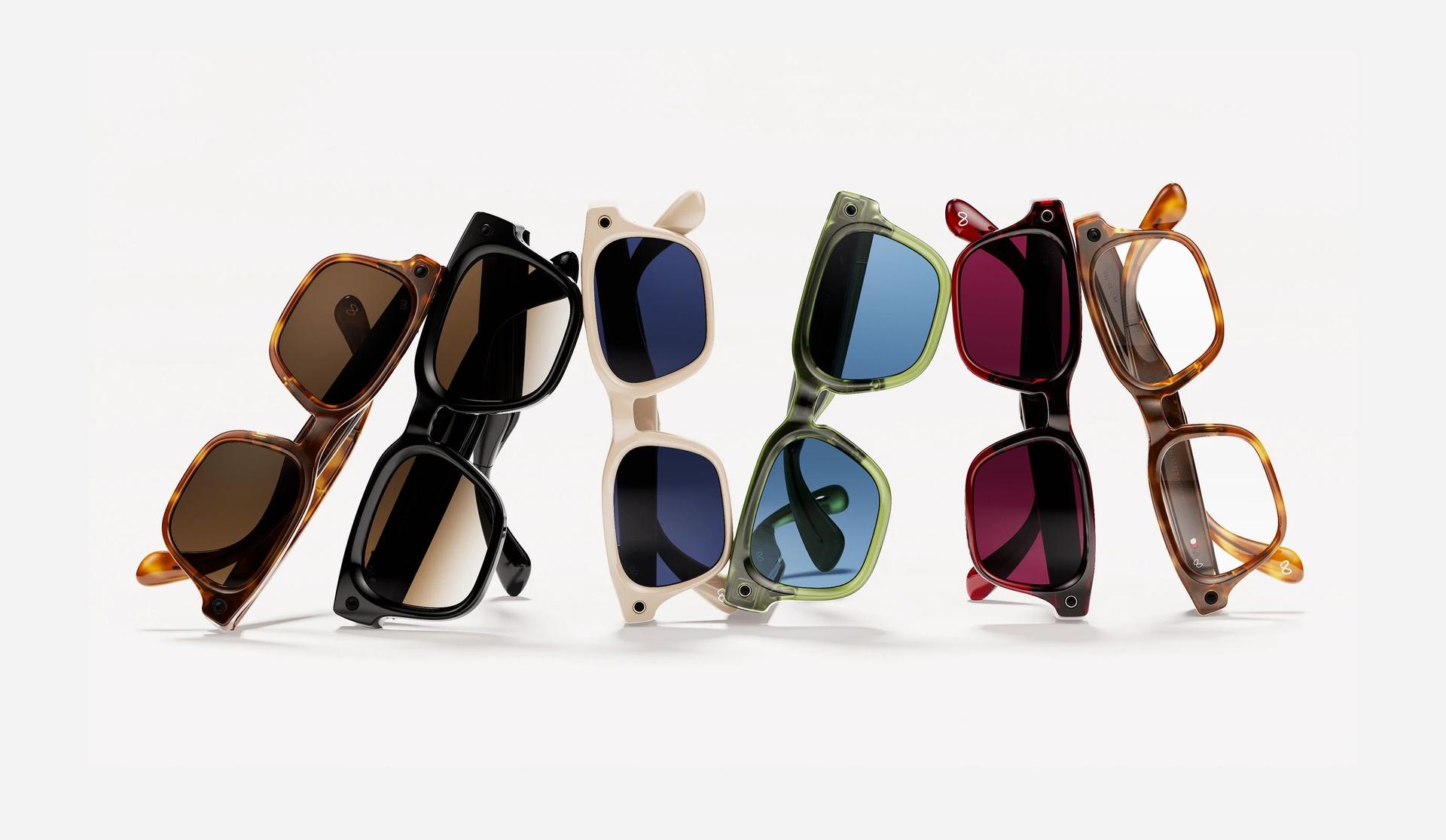
On June 25, 2026, Meta announced a fresh lineup of smart eyewear sold entirely under its own name, simply dubbed Meta Glasses. Rather than abandoning its foundational partnership with optical conglomerate EssilorLuxottica, Meta continues to lean on the Ray-Ban parent company for industrial manufacturing while dropping the heritage licensing badge from the temples. According to reporting by Futura, the strategic pivot is explicitly designed to drive down retail costs ahead of an impending wave of competing AI frames from Google and Samsung.
Under the hood, prospective buyers will find a familiar hardware package. Futura notes that the core processing silicon remains Qualcomm's Snapdragon AR1 Gen 1, the identical platform powering both generations of the Ray-Ban Meta line. Key connectivity and imaging specifications carry over without revision: a 12-megapixel ultra-wide sensor, Bluetooth 5.3, Wi-Fi 6, up to eight hours of stated battery endurance, and native access to Meta's multimodal artificial intelligence assistants.
The physical chassis, however, introduces several welcome ergonomic upgrades. The new Meta-branded frames feature adjustable nose pads, resolving one of the most persistent fit complaints raised by users with low nose bridges on fixed-acetate Wayfarer frames. In place of classic Luxottica shapes, the catalog launches with three distinct silhouettes: the rectangular Adventurer, the chunky Fury, and the oval Starfire by Kylie, a celebrity collaboration with Kylie Jenner that commands a significantly higher asking price.
This pricing recalibration comes after years of steady upward creep across Meta's eyewear portfolio. When Meta debuted the initial Ray-Ban Stories in 2021, consumer response was lukewarm. The 2023 follow-up hit an aggressive sweet spot at 329 euros, but subsequent iterations and sports-focused Oakley Meta variants steadily pushed baseline entry prices well over 400 euros, reaching as high as 439 euros. By stripping out the Ray-Ban brand premium, Meta can once again offer a budget-friendly on-ramp for mainstream shoppers.
The competitive backdrop makes this repositioning urgent. Other tech titans are circling the ambient audio and vision space with aggressive commercialization schedules. Google recently showcased Gemini-powered frames developed alongside avant-garde fashion house Gentle Monster, while visual leaks highlighted by outlets like Android Headlines confirm that Samsung is preparing its own Galaxy-branded smart eyewear. With assistant lock-in at stake, Meta cannot afford to be viewed purely as a luxury fashion accessory.
Our take: This is an aggressive platform defense disguised as a budget tier. Meta recognizes that its primary moat does not stem from designer acetate; it comes from training users to query its AI models dozens of times a day. By sticking with the amortized AR1 Gen 1 component pipeline and ditching licensing royalties, Meta can compress retail margins and capture facial real estate before rival Android ecosystems arrive. If Google and Samsung want to challenge Meta's commanding lead, they will now have to beat an entrenched hardware standard on price as well as software.
Interactive guide: prices, displays, cameras, battery.
Share this story