Manufacturer News · Meta
Meta Donates 15,000 AI Glasses to Ireland's Visually Impaired
A major accessibility initiative will supply every eligible visually impaired adult supported by Vision Ireland with free multimodal smart eyewear.
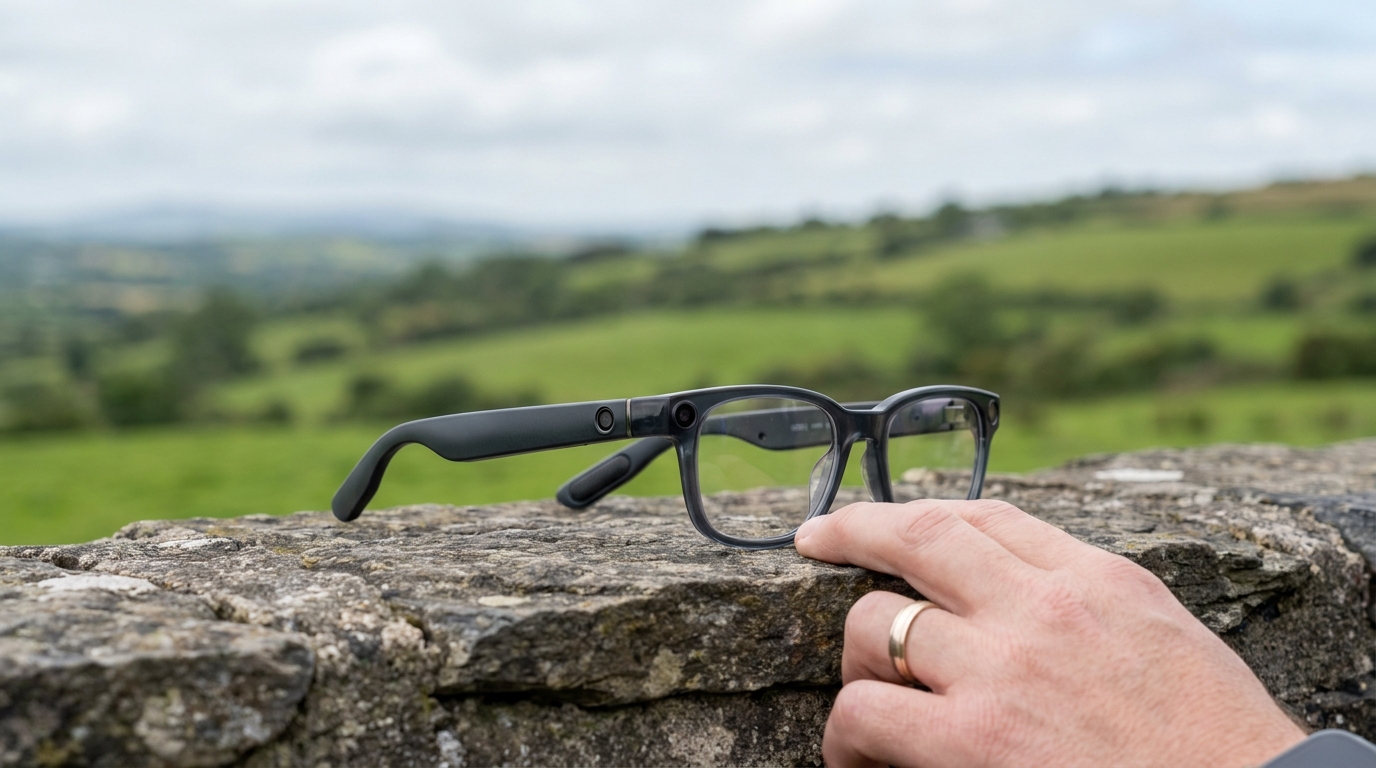
On August 15, 2026, Meta announced a partnership with Vision Ireland to distribute 15,000 pairs of Ray-Ban Meta smart glasses to blind and visually impaired adults across the country. According to details shared by the tech giant, the scale of the donation is designed to cover every eligible adult currently supported by Ireland's national sight loss organization, delivering advanced wearable AI tools directly to users free of charge.
Vision Ireland will oversee the deployment process, managing applicant verification, distribution logistics, and in-person training sessions to ensure recipients can comfortably navigate the eyewear. Prospective participants must register through the charity's official portal or dedicated support line. Rather than simply mailing hardware to doorsteps, the program emphasizes hands-on onboarding, helping users master voice commands, touch controls, and contextual AI prompts.
For the visually impaired community, hands-free multimodal AI represents a practical leap forward rather than a casual novelty. The Ray-Ban Meta hardware allows wearers to ask the onboard assistant to read printed text, inspect grocery packaging, describe physical obstacles, and translate visual scenes into detailed auditory feedback. Furthermore, native integration with the Be My Eyes service lets users connect directly to live human volunteers via camera feed, receiving immediate audio guidance for tasks like sorting laundry or identifying specific pantry items.
The charitable rollout arrives as Meta continues to navigate intense public scrutiny over ambient camera tech. As Engadget points out, the device maker has faced persistent pushback regarding surreptitious recording in shared spaces, compounded by third-party services that offer to disable the front-facing capture LEDs. Meta recently committed to disabling camera functionality entirely on frames where the privacy indicator has been altered. Meanwhile, secondary reporting from Wired revealed unreleased code in the companion app exploring potential facial recognition features, highlighting ongoing privacy sensitivities surrounding outward-facing sensors.
What this means: Assistive utility is quickly emerging as the most compelling, defensible rationale for putting cameras and microphones on everyday eyewear. While general consumers still debate whether hands-free photo capture and social audio justify wearing smart frames daily, the assistive benefits for low-vision individuals are immediate, tangible, and life-changing. Supplying an entire national cohort with hardware creates a massive real-world testbed that proves these devices can serve as critical accessibility infrastructure rather than mere social media accessories.
If programs like this succeed, they will likely shift how regulators and privacy advocates view smart glasses altogether. When wearable cameras are recognized as essential mobility and orientation aids rather than covert recording tools, public acceptance typically follows. Meta's initiative in Ireland could establish a repeatable playbook for other assistive organizations worldwide, setting a high standard for how consumer electronics companies deploy spatial computing to bridge functional divides.
Interactive guide: prices, displays, cameras, battery.
Share this story