Manufacturer News · Meta
Meta Connect: Camera-Free Ray-Ban AI Glasses Tackle Privacy Concerns
Meta splits its smart glasses lineup into camera and audio-only editions, pushing longer battery life and addressing public surveillance backlash.
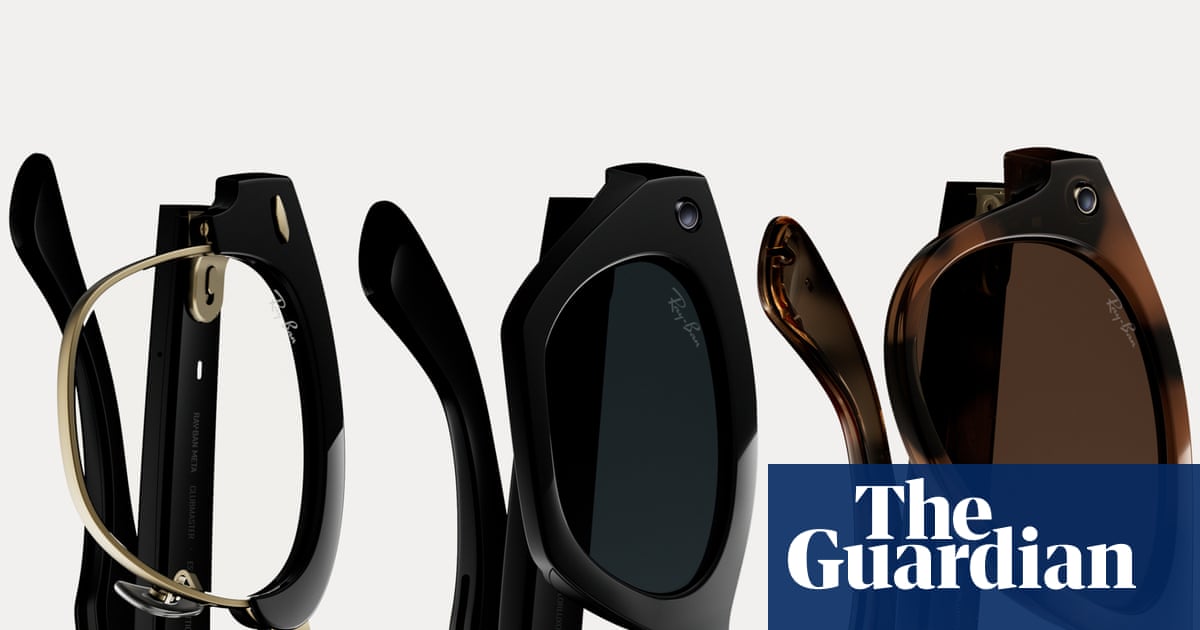
Meta unveiled its third-generation smart eyewear lineup on September 24, 2026, during the Meta Connect conference in Menlo Park, California. Headlining the rollout is an unexpected strategic pivot: the Ray-Ban Meta Audio AI, an audio-only variant completely devoid of cameras, introduced alongside the upgraded Ray-Ban Meta Gen 3 camera frames and a collaborative fashion release with artist Lisa.
The Ray-Ban Meta Audio AI targets users who want conversational assistance and open-ear listening without the social baggage of onboard image sensors. Available in Ray-Ban's classic Burbank and Clubmaster silhouettes, the camera-free frames strip out the optical sensors to achieve a thinner profile and lighter carrying weight. Equipped with directional microphones and temple speakers, the frames handle phone calls, music playback, and voice interactions with Meta AI. Battery endurance jumps significantly on the camera-free model, delivering up to 12 hours of active runtime at a retail price of £319 (€349 or A$529).
For consumers who still prioritize point-of-view capture, the flagship Ray-Ban Meta Gen 3 models retain their dual camera modules while addressing prior endurance shortfalls. Battery life on the camera-equipped models has expanded to nine hours on a single charge, paired with updated acoustic hardware offering Dolby Atmos audio support. Priced at £409 (€449 or A$679), the third-generation collection adds an Aviator profile to the catalog, as well as an Adventurer style created in partnership with singer and actor Lisa.
The introduction of an audio-only variant directly addresses growing public wariness around wearable surveillance. According to the Guardian, the smart glasses category has faced persistent backlash from privacy campaigners, with critics directing hostility toward wearers and labeling camera-equipped headwear as 'perv glasses' or 'spy glasses.' To counter illicit recording fears on its camera-equipped Gen 3 lineup, Meta stated that it has upgraded its tamper-detection mechanisms, which monitor whether the front-facing recording LED is covered or bypassed during video capture.
Beyond audio and capture frames, Meta also previewed its technical progress on true visual computing spectacles. Keynote presenters highlighted prototype glasses featuring in-lens micro-displays, aiming to compress visual computing capabilities previously restricted to bulky headsets into an everyday form factor that rests comfortably on the ears.
Our take: Splitting the Ray-Ban Meta family into separate audio and camera tiers is Meta's smartest distribution move yet. While early adopters enjoy hands-free video capture, countless environments like corporate offices, gyms, schools, and concert venues either ban or stigmatize wearable cameras. By excising the lens entirely, Meta resolves privacy concerns at the hardware level, secures a practical 12-hour battery life, and funnels millions of mainstream consumers directly into its voice AI ecosystem without waiting for societal norms to adapt.
Interactive guide: prices, displays, cameras, battery.
Share this story