Manufacturer News · Gentle Monster
Invisible AI Glasses Spark Backlash as Gentle Monster Scrambles Safeguards
Korean eyewear powerhouse Gentle Monster and tech giants face growing scrutiny over stealth smart glasses following exam cheating incidents and privacy concerns.
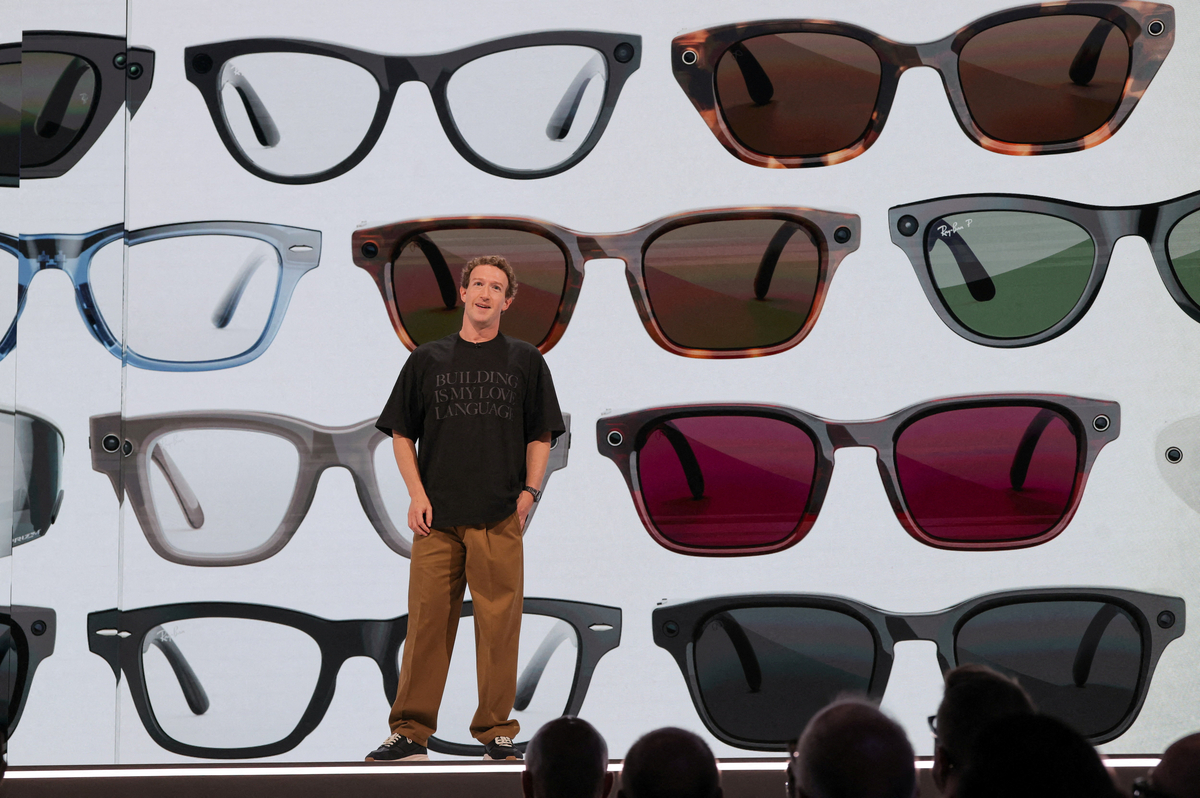
On November 18, 2026, reports emerged that eyewear brands and technology companies are rapidly tightening hardware and software safeguards after AI-equipped smart glasses sparked widespread alarm over cheating and covert surveillance. According to en.sedaily.com, South Korean fashion brand Gentle Monster has conducted an urgent review of privacy and security policies for its upcoming Intelligent Eyewear line ahead of its planned December 10 rollout.
The heightened scrutiny comes directly on the heels of high-profile cheating scandals during national examinations, where test-takers allegedly used near-invisible connected frames to transmit test questions and receive real-time answers. As en.sedaily.com reports, Gentle Monster shared security measures and mitigation strategies with partner firms during a private product unveiling in New York on November 9, attempting to address mounting criticism before the hardware hits retail shelves.
For years, the smart glasses industry treated design stealth as its holy grail. Early efforts like Google Glass were roundly rejected by consumers because of their conspicuous, robotic appearance, which made wearers social pariahs. In response, modern developers made it their mission to conceal micro-cameras, directional speakers, and cellular chips inside ordinary-looking acetate and titanium frames. From Meta's bestselling Ray-Ban collaborations to Gentle Monster's sleek silhouettes, hardware designers have successfully made smart eyewear completely indistinguishable from standard prescription spectacles.
What this means: The smart eyewear sector is suddenly a victim of its own industrial design success. Now that frames look completely conventional, schools, universities, secure testing centers, and private spaces have no reliable visual cue to tell whether someone is wearing standard corrective lenses or an internet-connected, multimodal recording terminal. Hardware safeguards such as external recording LEDs have proven easy to obscure with adhesive tape or marker ink, leaving institutions vulnerable to covert capture.
How it compares: Meta has repeatedly updated the firmware on its connected eyewear to disable camera functionality if the forward-facing privacy LED is covered, yet physical modifications and third-party tampering remain persistent challenges. For luxury brands like Gentle Monster, whose customer base prioritizes clean aesthetics over visible consumer electronics signaling, adding prominent security lights or bulkier battery hinges could directly undermine the core commercial appeal of the product.
Our take: Hardware makers cannot simply rely on polite user agreements and faint tally lights to resolve public anxiety. If brands like Gentle Monster and Meta want their AI glasses to thrive in public spaces, they will need to implement tamper-resistant sensor packaging, detectable RF broadcasts, or verifiable testing-mode lockouts. Until those protections are standardized, venues will likely respond with blanket bans on all eyewear during high-stakes exams, penalizing ordinary glasses wearers along with the early adopters.
Interactive guide: prices, displays, cameras, battery.
Share this story