Manufacturer News · Meta
Instagram Bans Harassing Videos Filmed with Meta Smart Glasses
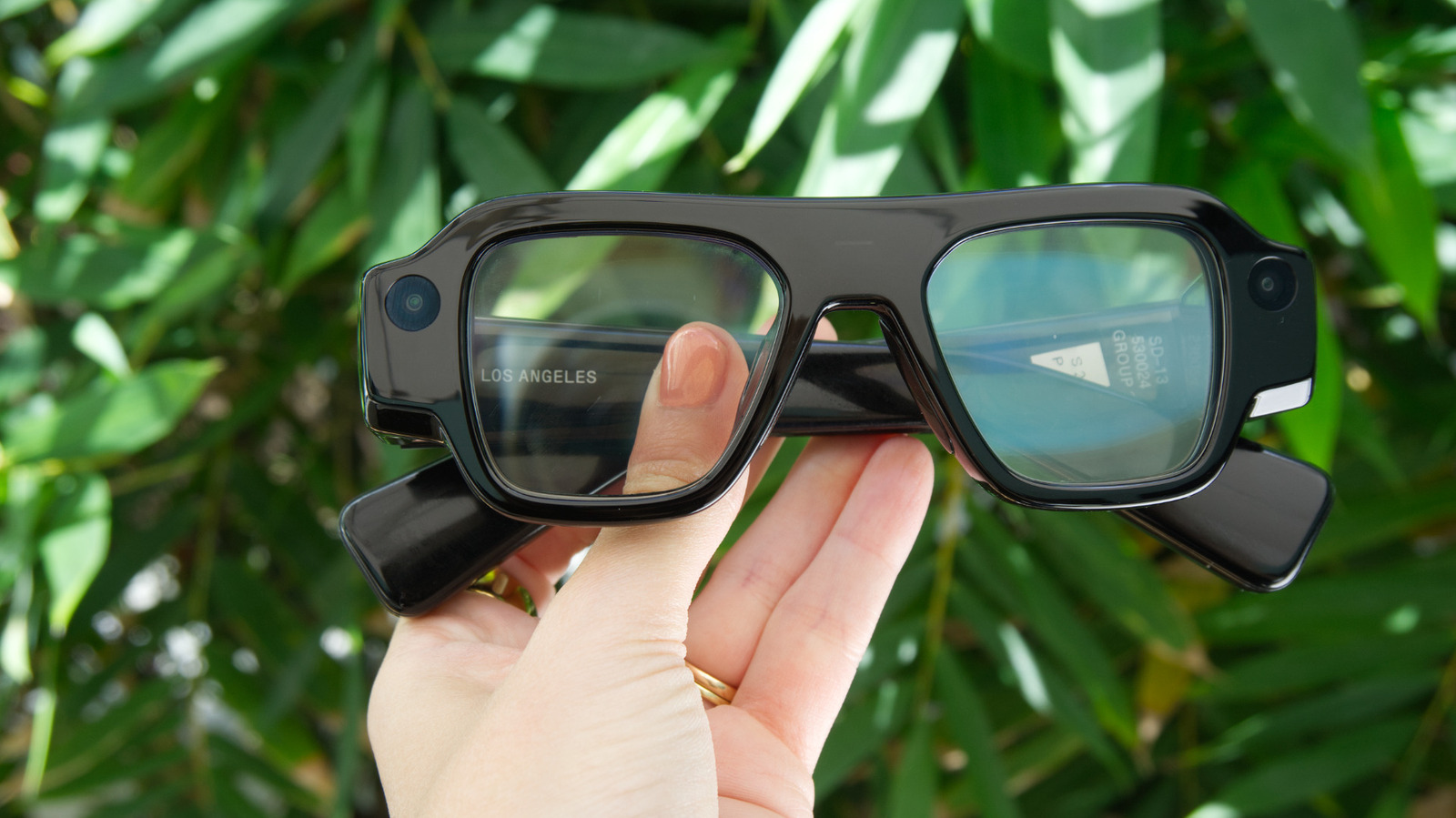
Instagram is now banning videos filmed with Meta smart glasses that depict harassment of strangers in public. The platform confirmed it has deactivated major accounts for violating this new policy, which aims to curb privacy abuses.

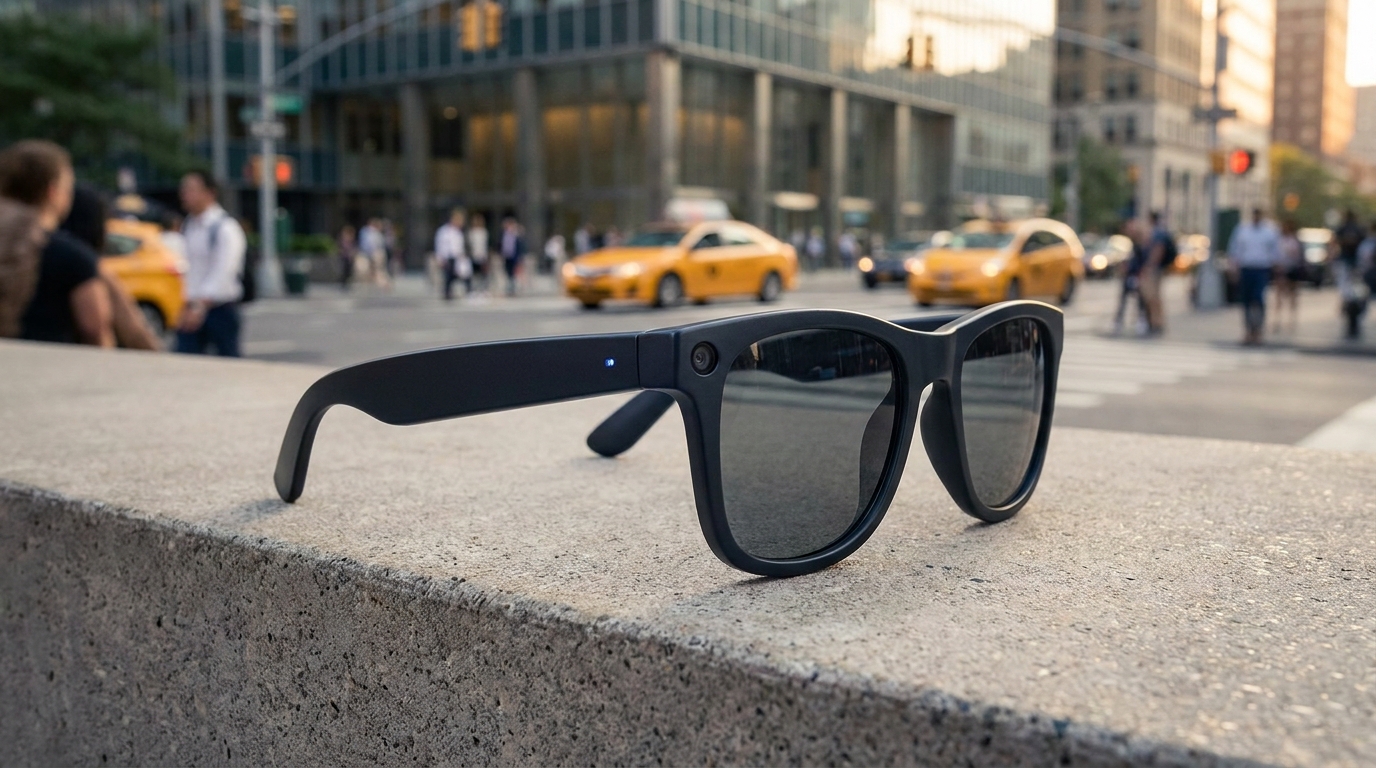
On July 27, 2026, Instagram began enforcing a ban on videos filmed with Meta smart glasses that depict harassment of strangers in public. This move directly responds to ongoing privacy concerns associated with the discreet recording capabilities of devices like Meta's Ray-Ban smart glasses.
As Business Insider reported, Instagram head Adam Mosseri publicly stated that content exploiting and harassing people, specifically "pickup line" videos filmed with smart glasses, will be removed. He emphasized the platform's commitment to preventing the surreptitious recording and harassment of individuals on Instagram.
Business Insider noted that this policy targets content such as "pickup clips" and prank videos where subjects are unaware of being recorded. The outlet further reported that Instagram has already deactivated two significant "pickup artist" accounts, each with over one million followers, for using smart glasses to film women without consent. A Meta spokesperson later confirmed these accounts were banned due to violations of the harassing content policy.
The platform's action follows increasing public concern, with Meta's smart glasses sometimes pejoratively dubbed "pervert glasses" on social media. While Meta's devices include an LED indicator light during recording, some users had previously bypassed this by obscuring the light. To counter this, Meta announced in July an update that disables the camera functionality if the recording indicator light is concealed.
Our take: This policy change by Instagram, coupled with Meta's hardware-level countermeasure, signals a crucial turning point for smart glasses adoption. As these devices become more ubiquitous, platforms and manufacturers are increasingly responsible for setting clear boundaries and enforcing user behavior. Failing to address misuse directly undermines public trust and could significantly hinder mainstream acceptance of wearable tech. Privacy-by-design, like the indicator light, is essential, but it must be backed by robust policy enforcement.
The privacy issue is also a competitive battleground. Apple is reportedly prioritizing privacy as a core feature for its upcoming smart glasses, expected to debut at WWDC. As Bloomberg has reported, Apple may opt for AI-focused cameras that omit traditional photo and video recording capabilities, aiming to differentiate its eyewear from Meta's offerings by avoiding similar privacy controversies.
Source: PetaPixel ↗
Interactive guide — prices, displays, cameras, battery.
Share this story