News · Meta
ICE Bans Meta Smart Glasses for Employees, Citing Privacy Risks
Immigration and Customs Enforcement has restricted employees from wearing Meta's smart glasses, classifying them as body cameras. This move reflects a broader trend of organizations prohibiting the camera-equipped eyewear.
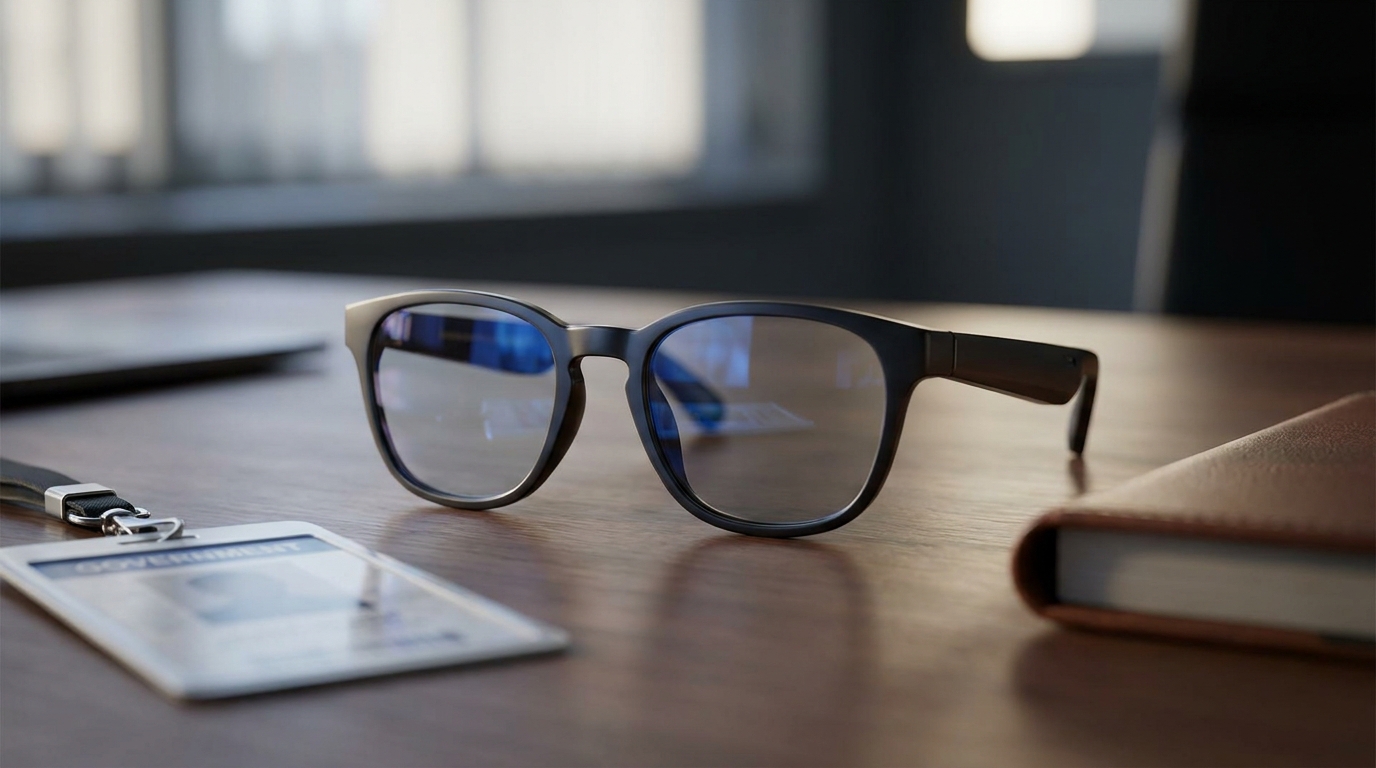
On August 18, 2026, Immigration and Customs Enforcement (ICE) prohibited its employees from wearing Meta smart glasses while on duty. The agency's new policy stems from significant privacy concerns, classifying the devices as body-worn cameras capable of discreetly recording video and audio.
According to nytimes.com, ICE's acting director, David Venturella, issued a memo stating that "the use of Meta Glasses or similar devices could unintentionally capture, record or transmit sensitive information, potentially compromising privacy and legal protections." The ban applies to all employees across the "federal workspace," not just law enforcement personnel. A Department of Homeland Security spokesman also noted that "Personally owned body-worn cameras and unauthorized recording are prohibited, as they always have been."
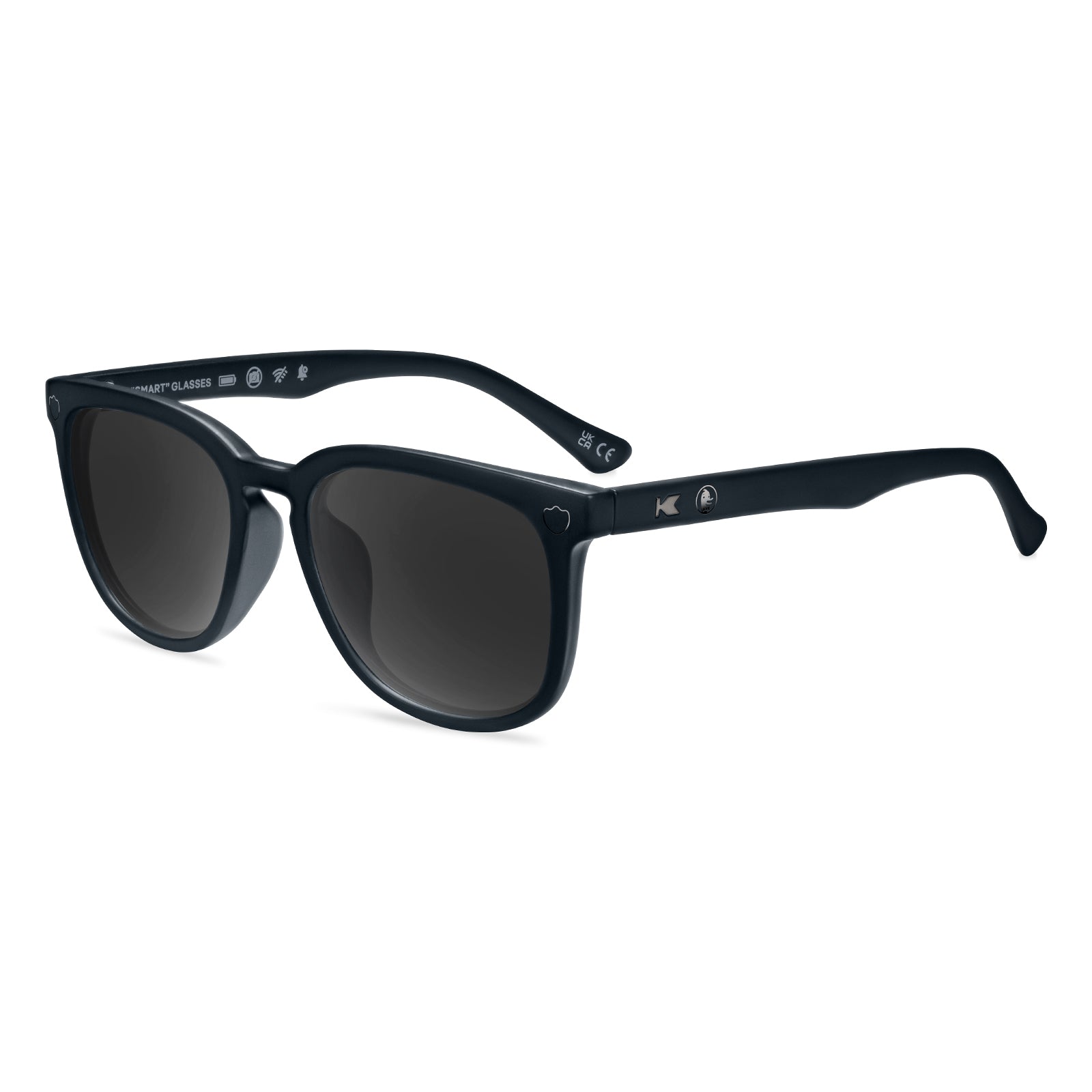
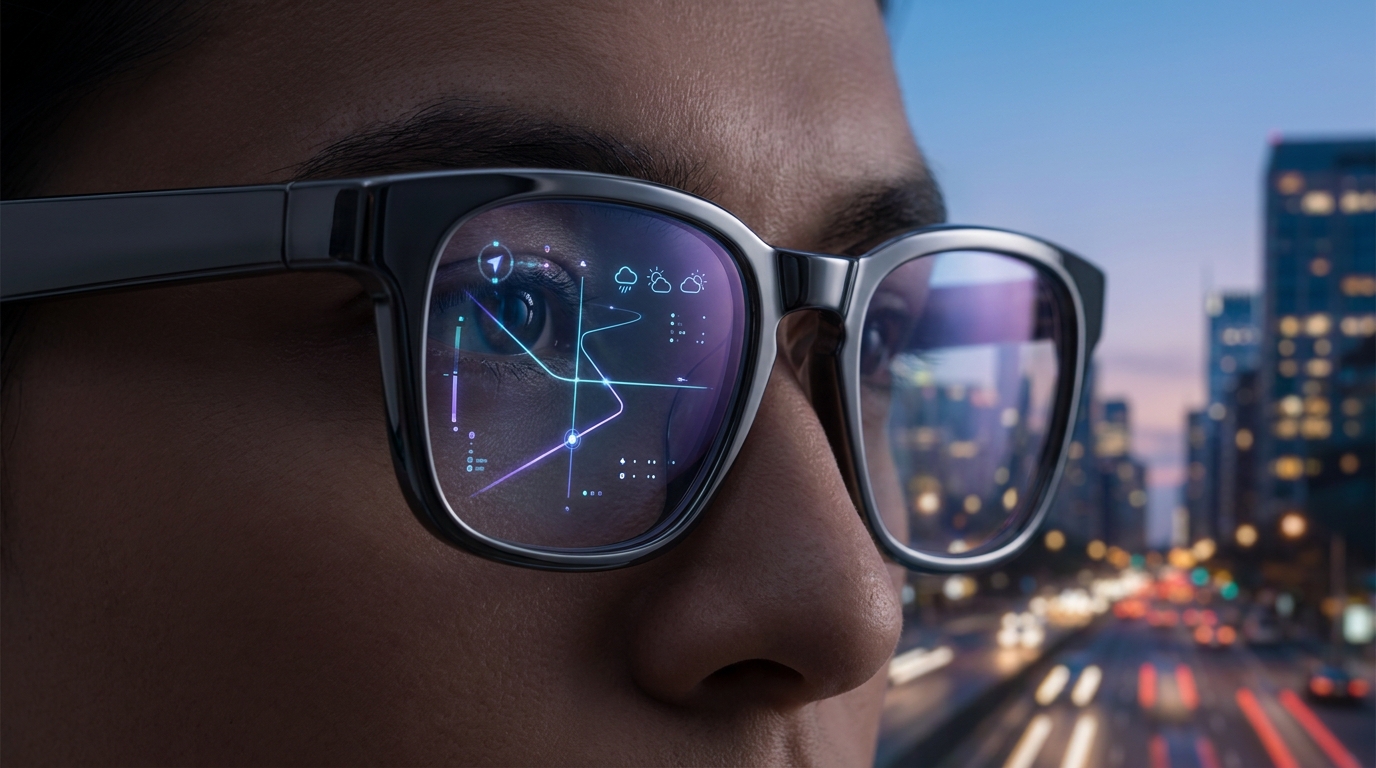
This restriction places ICE among a growing list of entities banning Meta's smart glasses. These devices, which debuted in 2021 and include Ray-Ban and Oakley partnerships, feature a small camera and an indicator light for recording. Newer versions integrate an AI assistant and a tiny, wearer-visible screen. Notably, last month, NYSBA.org reported New York became the first state to ban Meta's smart glasses in its court buildings. Various stores and restaurants have also forbidden them, often in response to content creators filming without explicit consent, as nytimes.com previously reported.
Our take: The ICE ban underscores a critical privacy dilemma facing the smart glasses industry. While Meta's devices are marketed for casual content creation and utility, their discreet recording capabilities inevitably clash with institutional privacy requirements. This trend of bans, especially in government and public spaces, signals that manufacturers must address the 'always-on' perception and better communicate recording status, or face continued institutional resistance.
Interactive guide — prices, displays, cameras, battery.
Share this story