Apps & Use Cases · Meta
Hands-Free Video: Why Smart Glasses Are Reshaping Mobile Content Creation
Smart glasses are challenging the smartphone grip on digital creation. By recording direct point-of-view footage, wearables let creators stay inside the moment.
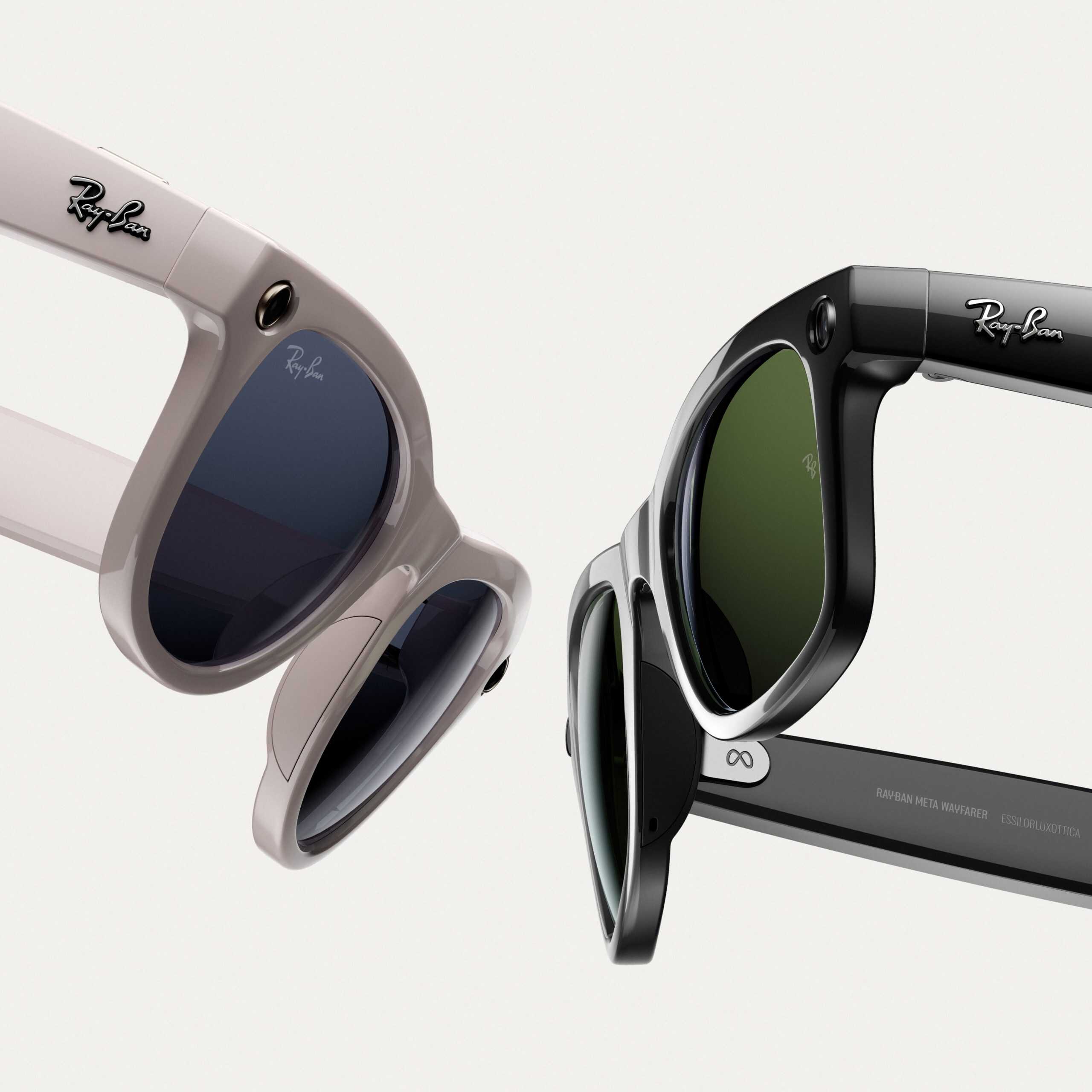
On November 17, 2026, thesource.com examined the ongoing shift in digital media production, highlighting how smart eyewear is disrupting traditional handheld filming. For over a decade, smartphones reigned as the all-in-one studio, combining camera sensors, editing suites, and distribution networks into a single pocketable slab. Yet, as the publication pointed out, smart glasses like the Ray-Ban Meta series are establishing a distinct capture category where immediacy and immersion outweigh polished, tripod-mounted staging.
According to thesource.com, the primary advantage of smart glasses lies in their organic first-person perspective. Traditional smartphone recording inherently forces creators into one of two awkward positions: staring through a viewfinder to compose a shot or rigidly extending an arm to record a reaction. Eyewear-mounted sensors eliminate that friction. By aligning the camera directly with the wearer's gaze, viewers experience activities such as cooking, unboxings, outdoor sports, and travel directly from the creator's vantage point rather than through a disconnected handheld frame.
A recurring pain point with mobile filming is the psychological barrier it creates between the creator and reality. As thesource.com noted, capturing an experience on a phone frequently turns creators into spectators at their own milestones, forcing them to watch concerts or personal gatherings through a screen. Smart glasses lower that cognitive overhead. Instead of constantly monitoring framing, creators can trigger a clip with a tap or voice prompt, keeping their hands free and their attention anchored to their actual environment.
The hardware also introduces a stylistic evolution. The source observed that hands-free recording naturally leads to less staged, more authentic content. Because setting up a shot requires minimal physical friction, spontaneous conversations, natural movement, and unscripted reactions are far easier to preserve. The camera fades into the background of an activity rather than serving as the centerpiece of an interaction.
While the capture mechanism offers friction-free intimacy, it does not render the mobile phone obsolete. Today's smart glasses remain capture endpoints rather than standalone production suites. The source emphasized that smartphones will continue to serve as the command center where creators review raw takes, handle color grading, cut vertical video, and distribute across social feeds. Thermal constraints, battery life, and storage ceilings also mean glasses favor short, spontaneous snippets over sustained, long-form production.
Our take: The creator economy thrives on perceived authenticity, and that is precisely where smart glasses excel. When viewers watch someone juggle a phone on a selfie stick, every gesture feels premeditated. Place that same creator in a workshop or an outdoor trail wearing camera frames, and the resulting footage feels kinetic, intimate, and lived-in. Smart glasses will not replace the phone as an editing hub anytime soon, but they have already won the battle for effortless, point-of-view storytelling.
Interactive guide: prices, displays, cameras, battery.
Share this story