Manufacturer News · Samsung
Google and Samsung Tap Warby Parker and Gentle Monster for December Smart Glasses Debut
A joint hardware push from Google and Samsung will arrive in nine styles this holiday season, leaning on fashion powerhouses to challenge Meta's dominance.
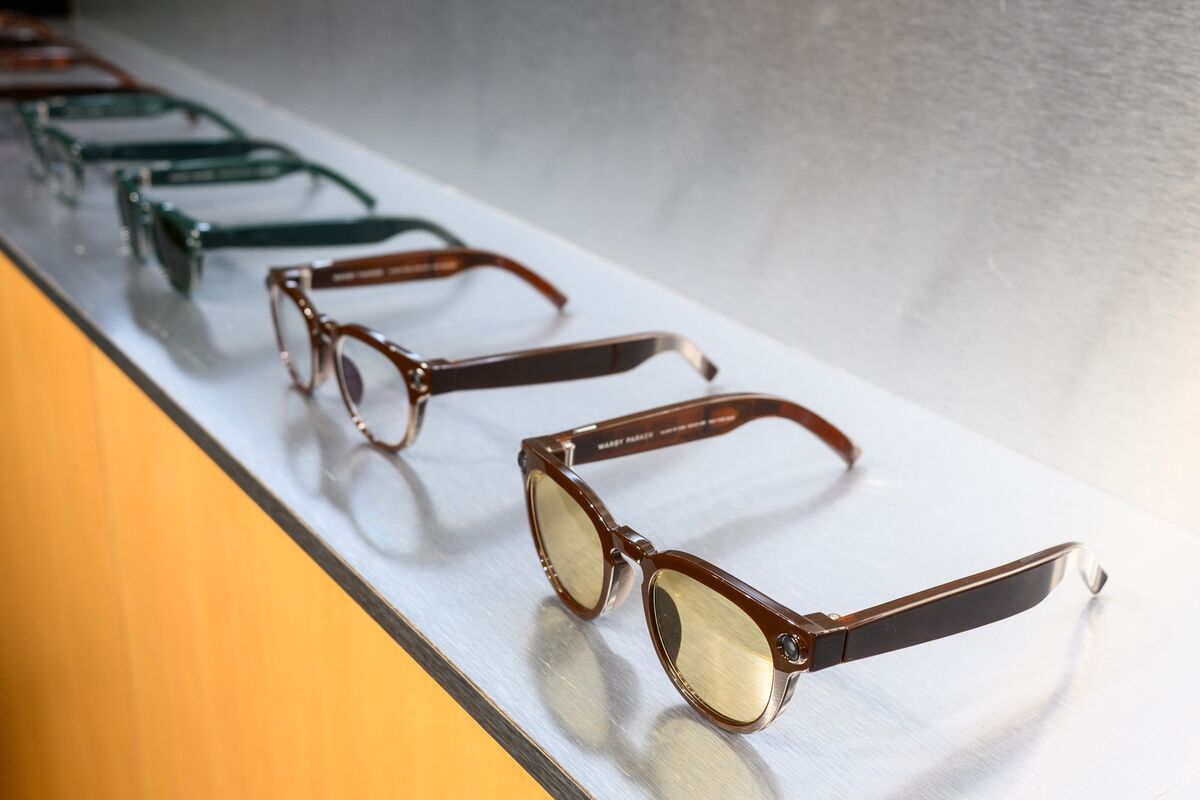
Google and Samsung are preparing to launch a collaborative line of smart glasses this December, according to reporting this week from Bloomberg. The upcoming lineup will feature nine distinct frame styles developed in partnership with eyewear mainstays Warby Parker and South Korean design house Gentle Monster, signaling an aggressive push to turn Android-powered spatial computing into a credible consumer accessory.
The partnership split is both strategic and deliberate. Warby Parker provides a trusted, direct-to-consumer footprint with massive optical recognition in North America, while Gentle Monster commands a loyal, trend-setting following across Asia and luxury fashion capitals worldwide. By leaning on established eyewear tastemakers right out of the gate, Google and Samsung are clearly determined to avoid the functional but socially awkward aesthetics that torpedoed early augmented reality experiments a decade ago.
Hardware specifications and component details remain closely guarded, but the strategy closely mirrors the playbook that made Ray-Ban Meta frames the breakout wearable category winner of the past two years. Rather than burdening users with bulky waveguide displays and high-draw thermal systems, consumer smart eyewear has found commercial traction by focusing on lightweight acetate frames, discreet open-ear speakers, high-resolution cameras, and hands-free conversational artificial intelligence.
How it compares: Meta currently owns the mainstream smart glasses category almost entirely uncontested. Ray-Ban Meta frames, priced starting at $299, proved that style and all-day comfort matter far more to mainstream shoppers than complex visual heads-up interfaces. By offering nine different silhouettes split between Warby Parker's clean, intellectual look and Gentle Monster's avant-garde catalog, Google and Samsung can match Meta's visual diversity from day one while targeting distinct demographic segments.
What this means: This hardware rollout marks the practical consumer debut of Google's long-anticipated Android XR platform, built in tight technical coordination with Samsung. While the duo initially signaled intentions to chase high-end spatial computing headsets to counter Apple Vision Pro, market realities have shifted rapidly toward lightweight, everyday wearables. Powering these frames with Google's multimodal Gemini assistant could give users real-time contextual voice search, translation, and ambient scene analysis, backed by Samsung's manufacturing scale.
The stakes for Google in particular could not be higher. Having pioneered and subsequently fumbled the smart eyewear category with Google Glass over a decade ago, Mountain View is now returning as a challenger rather than an incumbent. By delegating industrial frame design to Warby Parker and Gentle Monster while Samsung drives hardware miniaturization, Google can concentrate purely on system latency, multimodal AI accuracy, and platform services.
What to watch next: The critical questions heading into the rumored December launch window will center on battery endurance, camera privacy signaling, and retail pricing. If Google and Samsung can match Meta's sub-$300 entry threshold while delivering seamless integration across the broader Android ecosystem, the holiday wearable market is about to see its first genuine heavyweight clash.
Interactive guide: prices, displays, cameras, battery.
Share this story