Manufacturer News · Google
Google and Samsung Smart Glasses Escape the Infamous Glasshole Curse
Early preorder sellouts for Gentle Monster frames show that Google's new Android XR eyewear is sidestepping past stigmas ahead of its December debut.
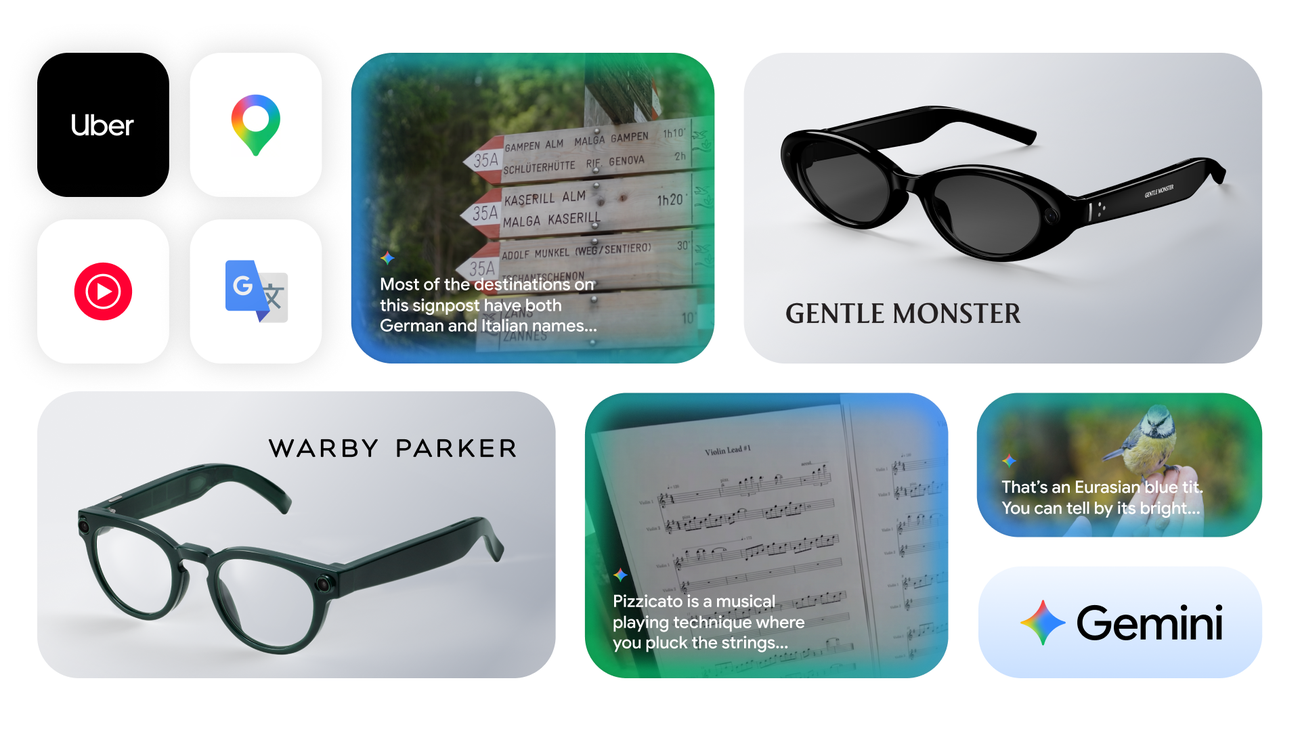
On November 18, 2026, early preorder tracking revealed that Google's return to the eyewear market is finding eager buyers rather than cultural pushback. The company's new intelligent eyewear, developed in close partnership with Samsung and scheduled for official retail launch on December 10, went up for preorder in styles crafted by fashion houses Gentle Monster and Warby Parker. According to reporting from gizmodo.com, early interest demonstrates that consumers have largely moved past the social stigma that doomed Google's initial foray into head-worn tech more than a decade ago.
The preorder momentum highlights a fascinating split between the two fashion partners. As secondary outlet 9to5Google first noted and gizmodo.com emphasized, all Gentle Monster models sold out their initial preorder allocations almost immediately last week. Meanwhile, the Warby Parker variants remain in stock and widely available. While it remains unclear whether the rapid sellout reflects limited opening inventory or intense customer demand for Gentle Monster's avant-garde frames, the run on stock proves that buyers will embrace Google-backed eyewear when the styling hits the mark.
That warm reception represents a massive turnaround from 2013, when Google Glass debuted to widespread public derision. That early device featured an awkward, asymmetrical prism display and a conspicuous forward-facing camera that unsettled bystanders. Establishments quickly banned patrons wearing the hardware, the derogatory label "glasshole" became cultural shorthand for tech-bro insensitivity, and Google eventually pulled the product from consumer shelves. The episode kept Google on the sidelines of consumer eyewear for over a decade.
The broader market has changed dramatically since then, largely due to Meta's breakout success with camera-equipped Ray-Ban and Oakley frames. By packing microphones, speakers, and machine-learning vision into standard, desirable frames without intrusive display prisms, Meta normalized smart glasses for ordinary buyers. With consumer wariness softened and demand for subtle wearable AI surging, Google found the perfect window to jump back into the category.
Crucially, Google is not building the physical hardware this time. Instead, the company is supplying the software platform in Android XR. Samsung oversees the internal engineering, computing silicon, and manufacturing scale, while Warby Parker and Gentle Monster handle frame design, optical fitting, and lifestyle branding. By stepping back into an operating system role, Google lets credible eyewear designers take center stage.
Our take: The sharp contrast between Gentle Monster's sellout and Warby Parker's steady availability holds a critical lesson for spatial computing. Smart glasses are face wear first and technology second. Gentle Monster attracts daring, fashion-forward buyers who view their glasses as high-status identity pieces, making them far more willing to embrace early-generation tech. Warby Parker serves practical prescription shoppers who deliberate longer before spending. If Google and Samsung want Android XR to challenge Meta's hardware supremacy, courting trendsetting luxury labels will always generate faster cultural momentum than playing it safe.
With shipments set to begin on December 10, the next milestone will be real-world performance: optical clarity, thermal dissipation, and battery endurance under daily use. Even so, the initial commercial reception confirms a major milestone. Google has finally managed to leave the ghost of its original smart glasses behind.
Interactive guide: prices, displays, cameras, battery.
Share this story