Manufacturer News · Google
Google and Samsung Smart Glasses Add Wrist Gesture Controls via Pixel and Galaxy Watches
Owners of Wear OS smartwatches can discreetly navigate menus and trigger Gemini on Google and Samsung smart eyewear without touching their frames.
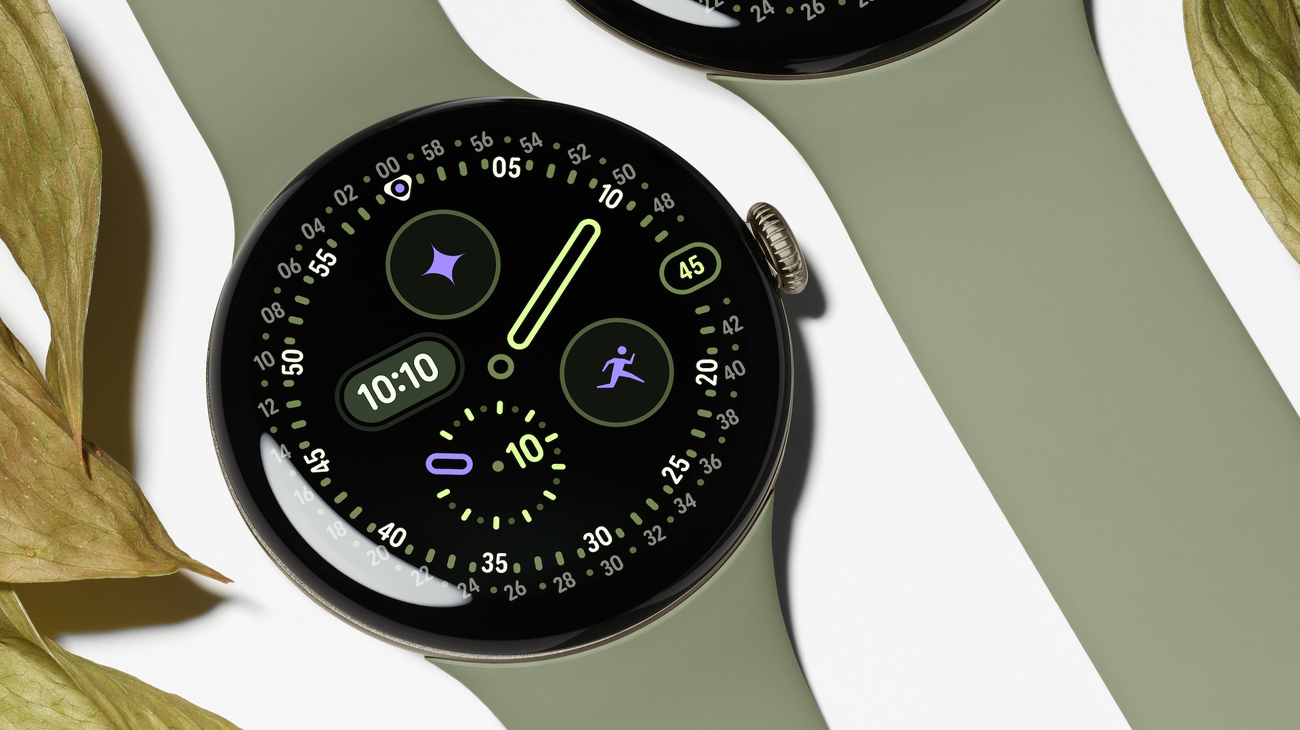
Confirmed on November 12, 2026, Google and Samsung's upcoming Intelligent Eyewear lineup will natively integrate with existing wrist wearables to offer hands-free gesture controls. According to gizmodo.com, Google verified that Pixel Watches, Samsung Galaxy Watches, and the upcoming screenless Fitbit Air will allow users to navigate their smart glasses without touching the frames or speaking out loud.
The control scheme builds directly on the motion-sensing capabilities already embedded in modern Wear OS hardware. As gizmodo.com notes, wearers will be able to perform familiar wrist and hand movements to command their eyewear. A double pinch plays or pauses audio tracks, a quick flick or turn of the wrist dismisses an active interface experience, and a double pinch performed with the palm facing upward wakes Gemini on the Pixel Watch.
This dual-wearable approach addresses one of the most stubborn friction points in smart eyewear: public social ergonomics. Tapping the side of your glasses frames can look awkward in meetings, while speaking voice prompts to an artificial intelligence assistant in crowded spaces is often socially disruptive. By offloading primary inputs to subtle micro-gestures picked up by an existing smartwatch, the interaction becomes nearly invisible to onlookers.
How it compares: The strategy highlights two very different philosophies toward wearable interaction. Meta chose a dedicated peripheral path with the Meta Ray-Ban Display, pairing the eyewear with a proprietary Neural Band that detects electrical signals in wrist muscles and tendons. Meta's surface electromyography approach allows for deeply nuanced finger tracking and finer input resolution, but it requires consumers to wear an additional, dedicated accessory. Google and Samsung, by contrast, are leveraging the millions of consumer smartwatches already sitting on wrists worldwide. While standard inertial sensors cannot capture the minute neurological signals of a custom EMG band, repurposing existing accelerometers and gyroscopes eliminates hardware costs for current smartwatch owners.
What this means: This cross-device synergy demonstrates the growing importance of hardware ecosystems in the headworn computing race. Standalone smart glasses are severely constrained by battery size, thermal limits, and physical surface area. Offloading interaction to a smartwatch solves input limitations while tying consumers deeper into the Google and Android hardware landscape. For prospective buyers, the feature lowers the barrier to entry, transforming an existing wrist device into a functional remote control for head-mounted displays without forcing them into yet another single-purpose gadget.
Interactive guide: prices, displays, cameras, battery.
Share this story