News · Google
Google and Gucci Partner for 2027 AI Smart Glasses Launch
Google is reportedly teaming up with luxury fashion house Gucci to release AI-powered smart glasses in 2027. This collaboration aims to position their offering as a direct competitor to Meta's established Ray-Ban smart glasses.
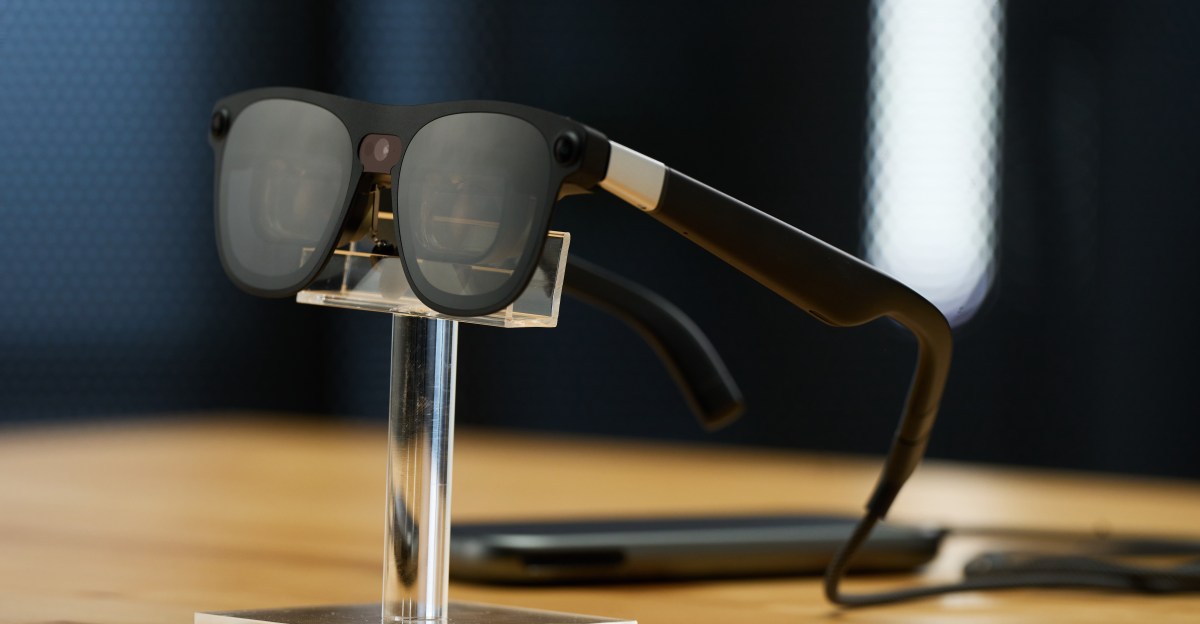
Published on April 16, 2026, reports indicate a significant move in the smart glasses market: Google is partnering with high-end fashion brand Gucci to launch AI-powered smart glasses in 2027. This collaboration signals Google's strategic pivot towards luxury fashion as a key accelerant for mainstream adoption of AI wearables, directly challenging Meta's successful alliance with Ray-Ban.
Stevie Bonifield, writing for The Verge, identifies 'Project Aura' as Google's initial push into Android XR glasses, slated for release later in 2026. Bonifield notes that while these initial 'Project Aura' glasses are expected to be 'fairly normal-looking' and feature discreet cameras, they will notably lack a screen. This decision, Bonifield suggests, is a deliberate attempt to sidestep the privacy concerns that plagued the original Google Glass.
According to Stevie Bonifield of The Verge, the upcoming Gucci smart glasses will function primarily as an 'audio wearable' in their first iteration. Bonifield details that users will interact with the built-in AI through voice commands. The glasses are expected to leverage Google's robust AI capabilities to answer queries, record and summarize notes, translate conversations in real-time, and provide turn-by-turn directions directly into the wearer's ear. Bonifield also anticipates 'basic camera functionality' will be included.
Bonifield further states that the distinctive AI features of these Google-Gucci glasses are designed to 'continuously learn about the wearer,' with the aim of providing 'proactive suggestions' and establishing 'a real-time connection to the wearer’s surroundings.' This ambitious vision extends to an 'always-on AI assistant,' which Bonifield suggests will offer fashion advice and even remind users of social engagements.
The partnership with Gucci is not merely a branding exercise; it's a strategic maneuver. Bonifield believes that 'Google clearly believes that the way to get its wearables into the mainstream is to make them fashionable.' This sentiment is echoed by the anticipated 'high-fashion price tag,' which Bonifield indicates will place the Google-Gucci glasses firmly in the luxury segment.
Bonifield projects that while the initial 2027 release will focus on audio and subtle AI integration, 'future iterations' could incorporate screens, expanding their functionality significantly. While no concrete details on pricing were disclosed, Bonifield points to a 2024 limited edition collaboration between Gentle Monster and Huawei, which retailed for $380, as a potential, albeit lower-end, precedent for fashion-tech partnerships.
Interactive guide — prices, displays, cameras, battery.
Share this story