Analysis · Multi-brand
Forget Meta's Cameras: RayNeo, XREAL, and Rokid Own the Display War
Silicon Valley got bogged down in creepy surveillance cameras and Hollywood vanity stunts. Meanwhile, Asian display specialists quietly built the private spatial monitors consumers actually want.
Silicon Valley loves to believe that face-worn computing is an operating system problem waiting for a charismatic billionaire to crack it. Snap spent millions hiring Robert Downey Jr. to cosplay Tony Stark in baseball broadcast spots, while Meta staged elaborate museum retrospectives celebrating its hardware heritage. Yet while American tech giants chased cinematic fantasies and ambient surveillance, consumer reality delivered a brutal verdict. EssilorLuxottica's wearable hardware revenue growth hit a wall, collapsing from near 100 percent to a meager 20 percent.
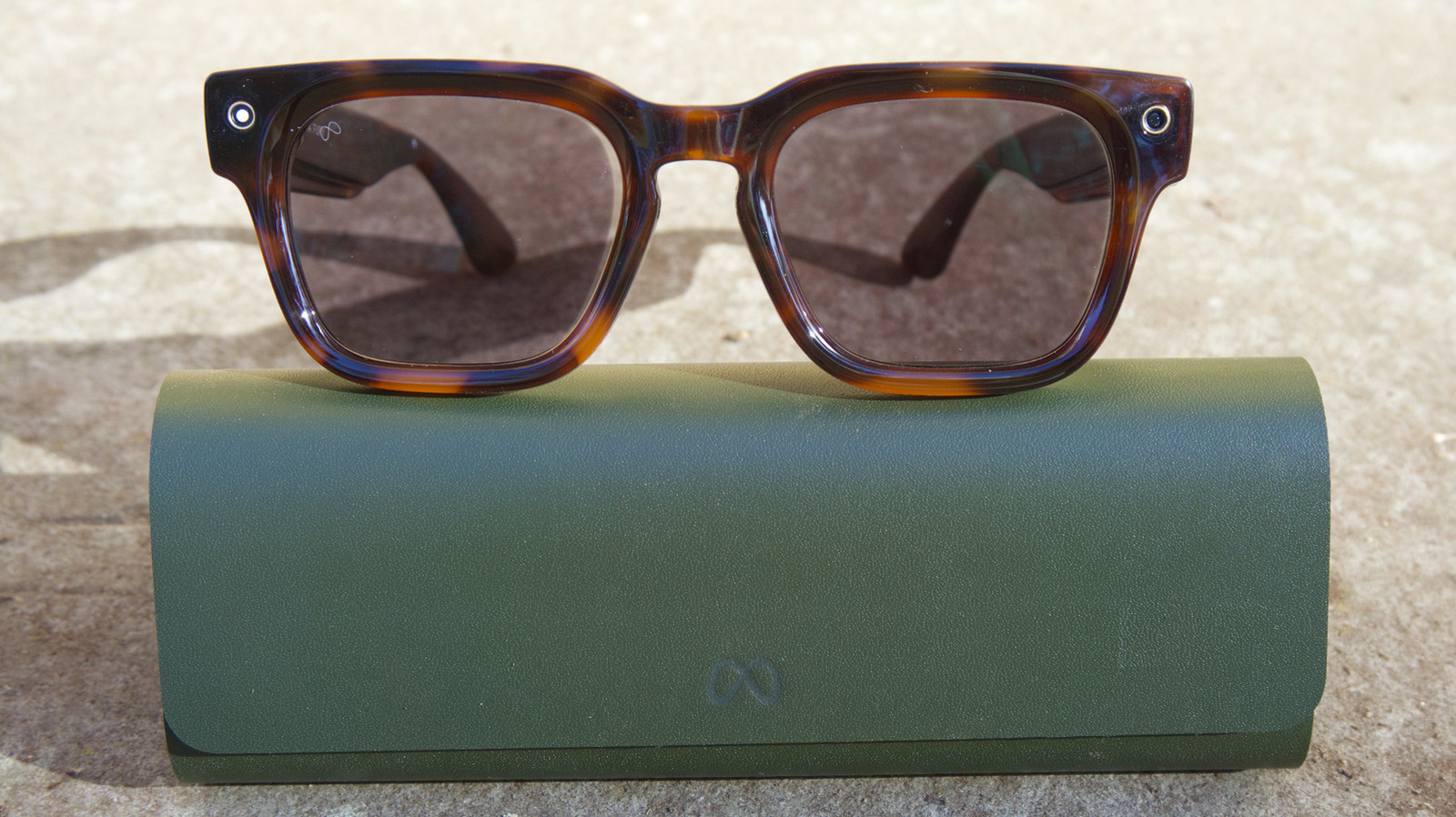
The reason for this sudden stall is no mystery. Silicon Valley bet everything on the camera, and everyday people are rejecting it. Between viral survival hacks that advise blasting copyrighted Disney music to poison unsolicited recordings and Indian political leaders like DK Shivakumar suspecting visitors of covert smart-glasses stings, camera-first frames have become a public nuisance. When US Senators Ron Wyden and Edward Markey launched their formal inquiry into Meta over bystander surveillance, the writing was on the wall. Ambient face-cameras are a regulatory and social landmine.
While Meta and Snap wrestle with privacy blowback and PR fires, a different contingent has been quietly capturing the only market that matters. Companies like XREAL, RayNeo, and Rokid took a fundamentally different fork in the road years ago. Instead of turning users into walking surveillance hubs, they focused on optics, birdbath prisms, micro-OLED panels, and waveguide precision. They treated smart eyewear not as an ambient camera platform, but as a wearable display engine.
The strategic divergence is staggering. Meta's desperate answer to public camera paranoia was releasing a camera-free Ray-Ban Audio frame at a baffling $349 price point, asking consumers to pay more for hardware that does fundamentally less. In contrast, display-first makers have focused relentlessly on utility. They recognized early on that people do not want to broadcast their grocery shopping to Zuckerberg's servers. They want a crisp, private 130-inch virtual monitor floating in space while working on a flight or watching a film on the subway.
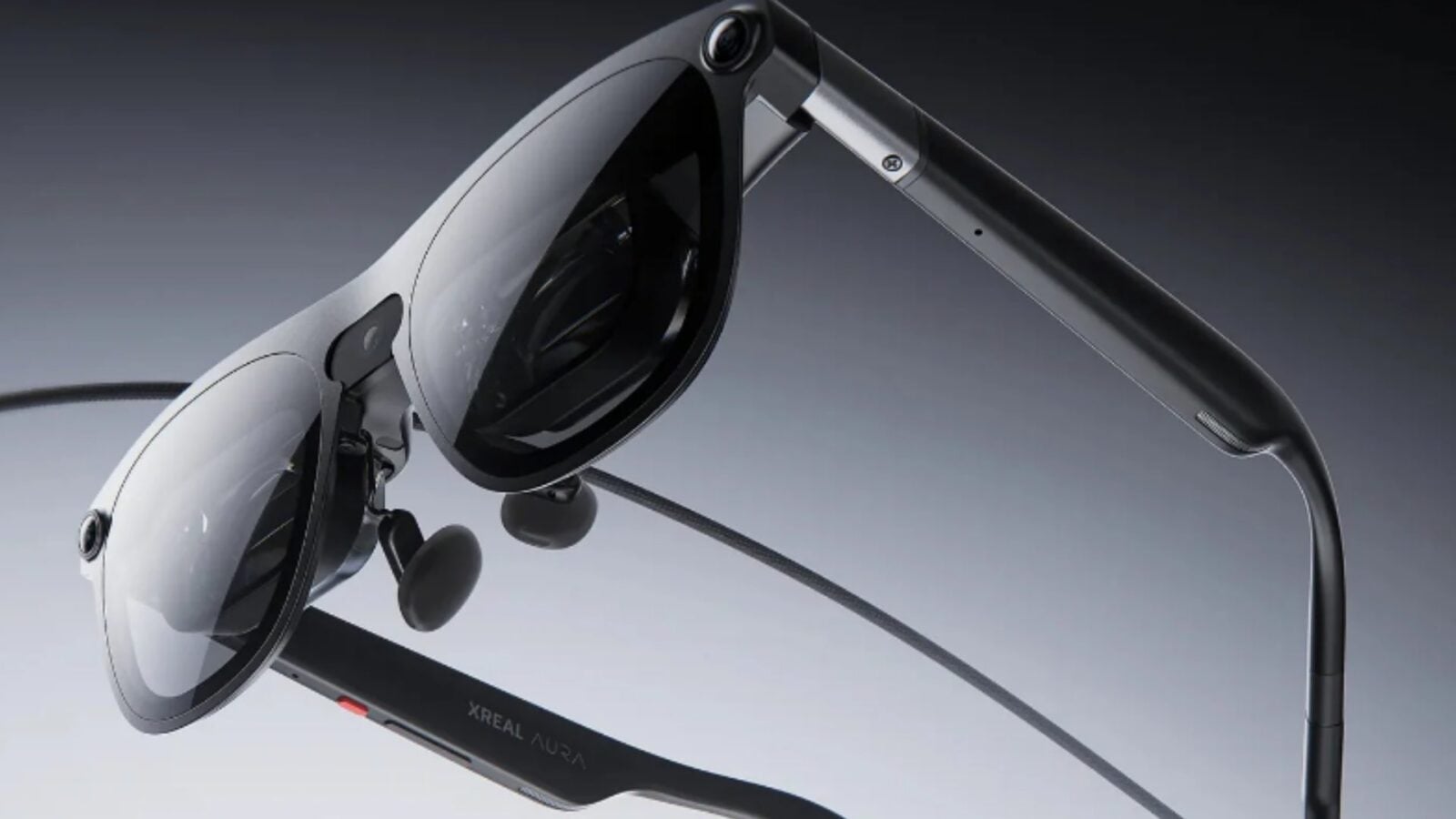
Look at what XREAL just pulled off with its Aura frames. Co-developed with Google and powered by Android XR, the 95-gram hardware launched with an aggressive day-one price cut of up to $200, bringing the base model down to $1,099. That is not the behavior of an experimental boutique; that is the predatory pricing of a hardware maker determined to stake out commercial territory. By combining Google's Gemini intelligence and multi-screen spatial workspaces with proven display optics, XREAL bypassed the camera trap entirely.
RayNeo and Rokid are executing the exact same playbook from complementary flanks. Rather than trapping users in walled gardens, these hardware outfits have spent half a decade perfecting wearable optical engines that plug directly into gaming handhelds, laptops, and smartphones. They solved the devastating battery and thermal limitations that plague standalone face-computers by offloading heavy compute to the devices already sitting in buyers' pockets. A pair of lightweight display glasses that sips power from a phone will beat a melting, sensor-dense standalone computer every day of the week.
This display-first philosophy directly mirrors the history of personal computing. Before personal computers tried to become multimedia recording studios, they established their beachhead as clear, functional text terminals and monitors. Display specialists understand that quiet heads-up utility, readable interface text, and private workspace expansion represent immediate, friction-free value propositions. You never have to explain to a TSA agent or an anxious subway commuter why your glasses are displaying an Excel spreadsheet.
Google's entrance with Android XR changes the strategic math permanently. For years, critics argued that Asian optical specialists lacked the software cohesion to challenge Meta or Apple over the long run. Android XR demolishes that barrier by commoditizing spatial operating software. Just as original Android turned bespoke mobile hardware makers into global powerhouses, Google's platform gives RayNeo, XREAL, and Rokid an enterprise-grade software spine that turns their optical hardware into plug-and-play spatial computers.
The contrast in consumer psychology could not be sharper. When an average user puts on a camera-laden pair of frames, they immediately feel the weight of social friction, wondering if bar patrons think they are filming or if a business partner suspects an ambush. When that same user puts on a pair of RayNeo or Rokid display glasses, the social friction drops to zero. The experience is entirely internal, private, and additive, granting the wearer a superpower without turning bystanders into unwitting extras.
The hardware execution gap is widening just as rapidly. While American platforms struggle to keep their sensor suites from boiling bridge frames or draining micro-batteries in under two hours, display manufacturers have steadily shaved down weight and refined optical transparency. The optical engines coming out of Shenzhen and Beijing are light-years ahead of the compromised, low-yield waveguides Silicon Valley engineers keep showing in locked laboratory demos. XREAL's 95-gram Aura is already shipping to doorsteps while Western tech executives are still debating marketing scripts.
The smart glasses narrative is about to experience a massive correction. Silicon Valley believed it could force ambient surveillance onto a reluctant public through sheer fashion branding and celebrity endorsements, but consumer fatigue and regulatory scrutiny are slamming that door shut. The real winners of face-worn computing were never going to be the social media conglomerates hunting for your biometric video feeds. The spoils belong to the display makers who remembered the first rule of personal tech: give the user a great screen, and leave the rest of the world alone.
Interactive guide — prices, displays, cameras, battery.
Share this story