News · Brilliant Labs
Brilliant Labs Teams with Alif Semiconductor for Next-Gen Smart Eyewear AI
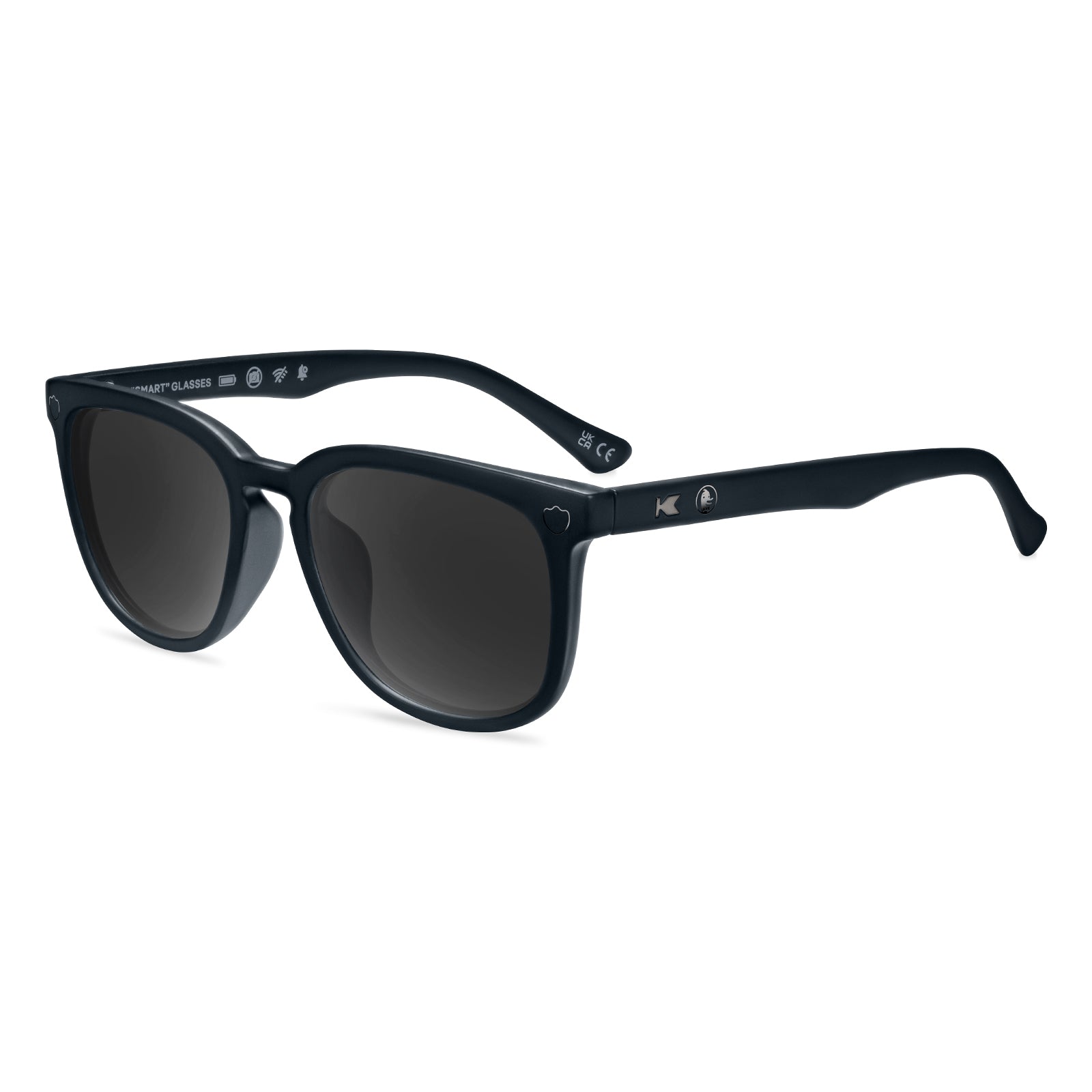
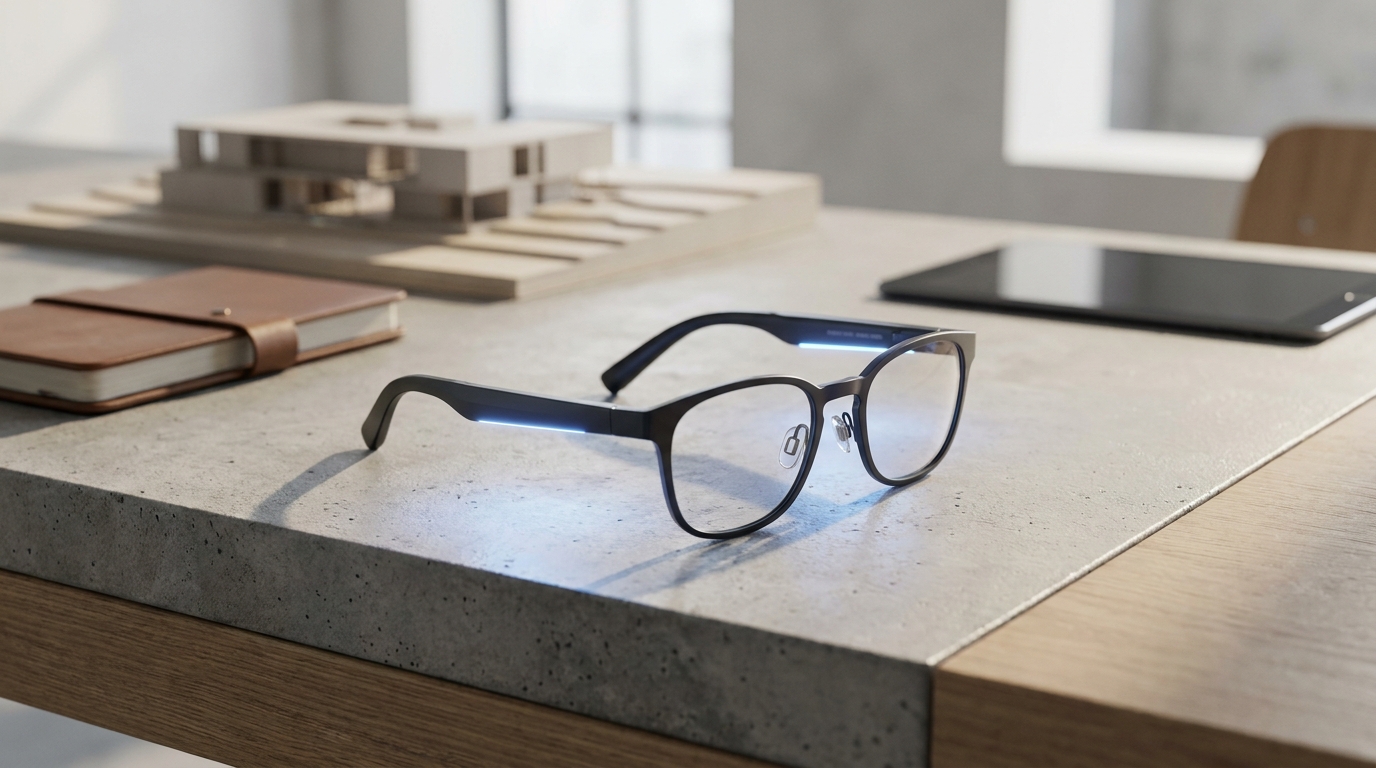
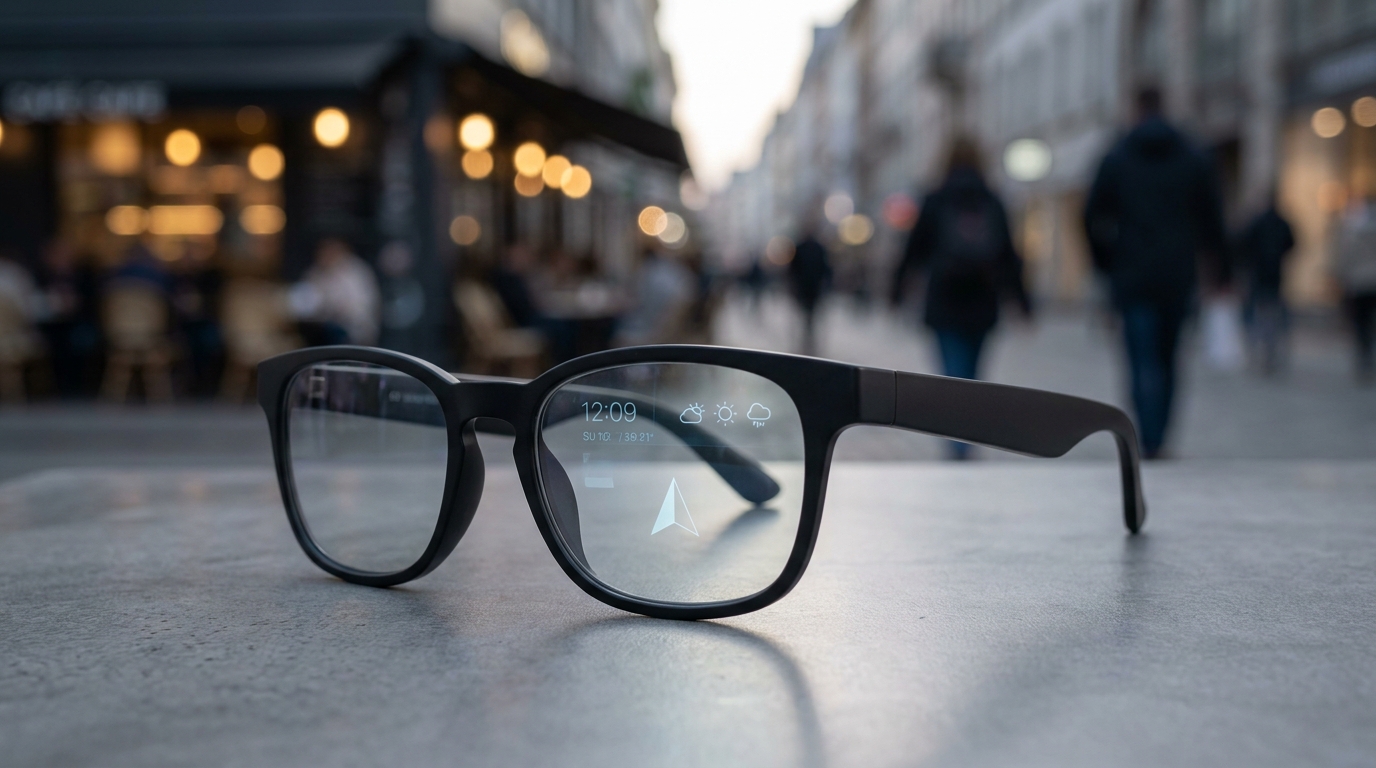
A new strategic partnership aims to redefine intelligent wearable technology, focusing on privacy-centric, ultra-low-power AI solutions directly at the edge. The collaboration will power Brilliant Labs' upcoming Halo Glasses with Alif's specialized AI microcontroller platform.

Brilliant Labs and Alif Semiconductor announced a new partnership, reported on March 16, 2026, to develop silicon solutions for advanced AI-enabled smart glasses. This collaboration aims to create technologies specifically designed for intelligent, privacy-focused wearable devices, emphasizing on-device AI processing rather than cloud reliance.
Asma Adhimi of eenewseurope.com reports that the initial focus of this collaboration will be to integrate Alif's AI-capable microcontroller platform, specifically the Balletto B1 MCU, into Brilliant Labs' forthcoming Halo Glasses. Adhimi highlights that the Balletto B1 MCU is characterized by its ultra-low-power consumption and a dedicated neural processing unit (NPU), enabling AI tasks directly on the device. This on-device processing is crucial for enhancing responsiveness and user privacy.
The article in eenewseurope.com further details that the companies anticipate the system will support advanced features such as real-time translation and an AI-based memory system. These capabilities are expected to operate while maintaining low power consumption, a critical factor for wearable technology. Asma Adhimi also notes a significant expected battery life of up to 14 hours for the Halo Glasses, which addresses a key challenge in balancing computing power with energy efficiency in wearables.
Our take: This partnership underscores a growing industry trend towards edge AI in smart glasses. By moving AI processing from the cloud directly onto the device, manufacturers can significantly improve user experience through reduced latency and enhanced data privacy. This focus on local processing also mitigates concerns around constant data transmission, which has been a point of contention for many smart wearable adopters. Brilliant Labs combining its innovative hardware with Alif's specialized silicon could set a new benchmark for performance and power efficiency in the smart eyewear market, directly addressing some of the core limitations of earlier-generation devices.
Interactive guide — prices, displays, cameras, battery.
Share this story