Manufacturer News · Apple
Apple Smart Glasses N50: Inside the Rumored Meta Rival
Apple is reportedly developing lightweight smart frames focused on on-device privacy and deep iPhone integration to challenge Meta. Here is what the latest leaks reveal.
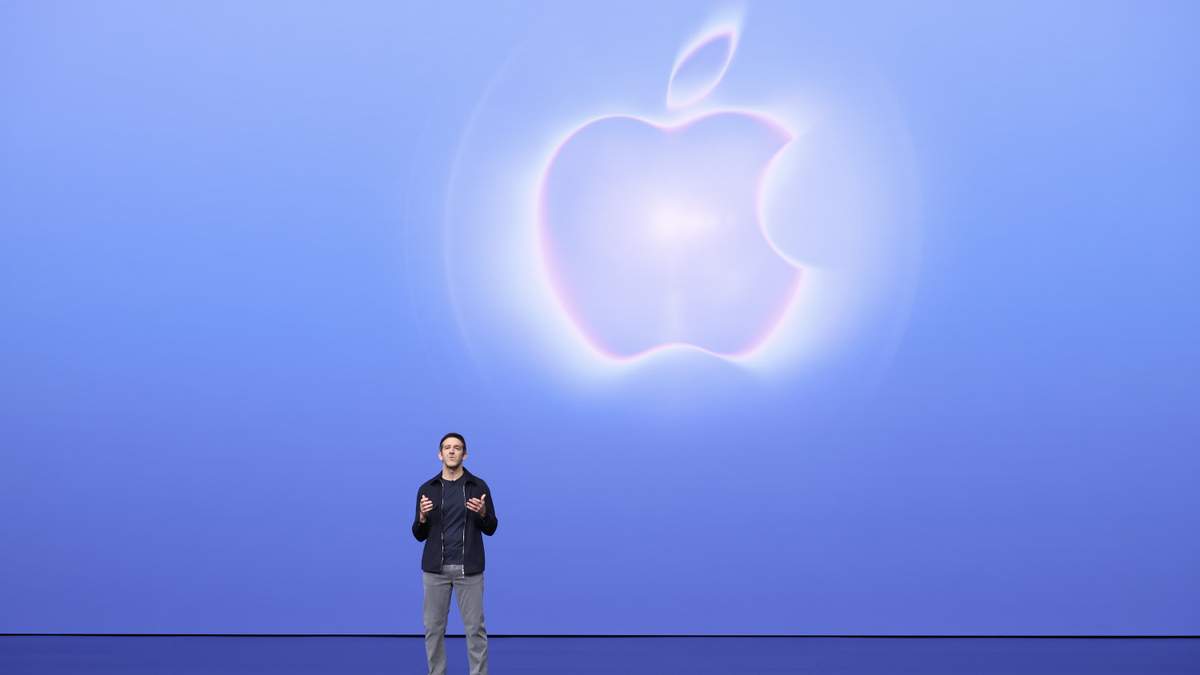
Fresh reports circulating this week outline Apple's accelerating plans to enter the connected eyewear market with a device codenamed N50. According to reporting synthesized by wiod.iheart.com, Cupertino is targeting an unveiling as early as its annual Worldwide Developers Conference (WWDC) in June, setting up a hardware release aimed squarely at capturing mainstream consumer interest.
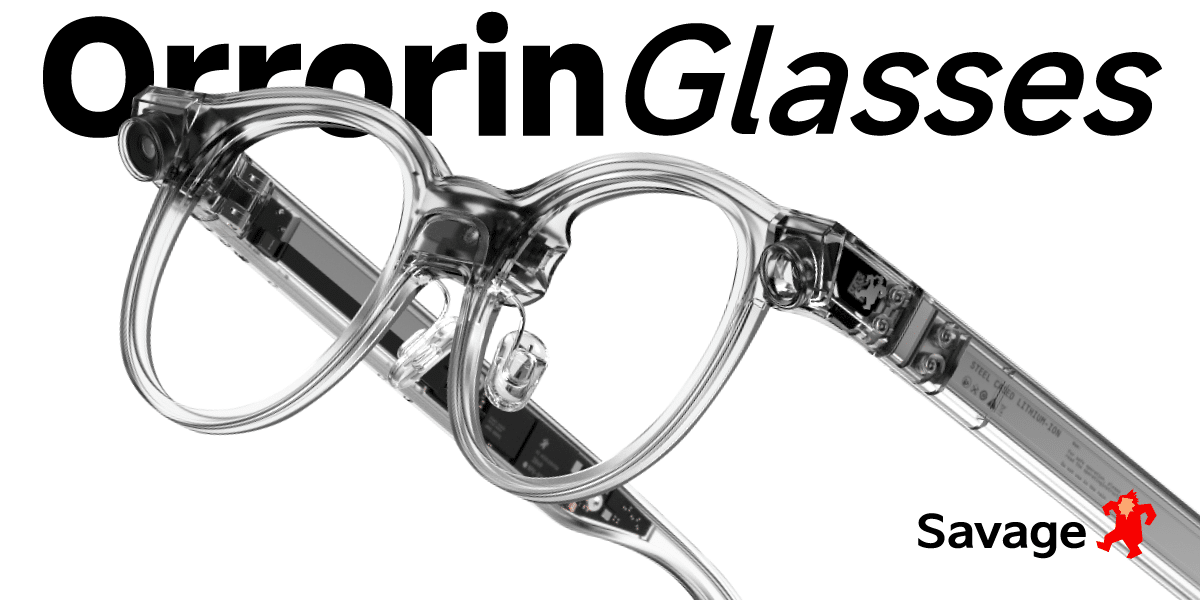
The hardware direction indicates that Apple is skipping heads-up optical displays for its debut generation. Citing reports from MacRumors, the upcoming frames are designed without augmented reality displays, focusing instead on core utility: capturing photos and video, playing audio, handling phone calls, and serving contextual Siri notifications while tethered directly to an iPhone. The device is expected to arrive in multiple colors and frame styles, treated as much like a fashion accessory as a personal computing wearable.
Privacy serves as Apple's primary competitive wedge against incumbent smart glasses. As noted by MacRumors, Apple aims to prioritize on-device AI processing rather than routing visual data through cloud infrastructure, explicitly avoiding automatic cloud video uploads. TweakTown adds that engineering teams even evaluated camera-free prototypes to test user appetite for pure audio frames, though commercial models are still expected to include optical sensors. Pricing for the hardware is projected to fall somewhere between $200 and $500.
The timeline remains subject to internal calibration. While initial targets pointed toward a release by the end of next year, Bloomberg reporter Mark Gurman has indicated that while Apple could preview the product category at WWDC, mass shipments may stretch further out toward 2027.
How it compares: If Apple ships N50 in the $299 to $399 corridor, it will compete directly against Ray-Ban Meta smart glasses, which currently dominate the display-free smart eyewear segment. Meta built its momentum on EssilorLuxottica styling and rapid multimodal AI rollouts, but the company faces persistent consumer wariness regarding data collection and cloud training on camera feeds. If Apple can match the physical profile of classic acetate frames while keeping computer vision workloads strictly local on the paired iPhone's Neural Engine, it eliminates Meta's biggest public relations vulnerability.
Our take: Apple's decision to bypass complex waveguide displays for N50 represents a pragmatic course correction after the steep enterprise pricing of Vision Pro. Display-less smart glasses provide a viable stepping stone: they normalize face-mounted sensors, expand Apple Intelligence into ambient physical spaces, and collect critical behavioral data on how people interact with head-worn microphones and cameras. For everyday buyers, an iPhone-centric pair of audio frames that actually respects visual privacy could be the first spatial computing product that genuinely scales.
Interactive guide: prices, displays, cameras, battery.
Share this story