News · Apple
Apple's Smart Glasses: WWDC 2027 Launch Imperiled by Privacy Hurdles
Apple reportedly plans to unveil smart glasses at WWDC 2027, but significant privacy concerns have stalled development. The company is exploring aggressive safeguards, including camera removal or strict recording limitations, to protect its brand.

Macworld reported on July 27, 2026, that Apple aims for a June 2027 unveiling of its smart glasses at WWDC, following the reported shelving of a lighter Vision Pro model. Development has been notably delayed by privacy challenges, which Apple considers a critical brand pillar.
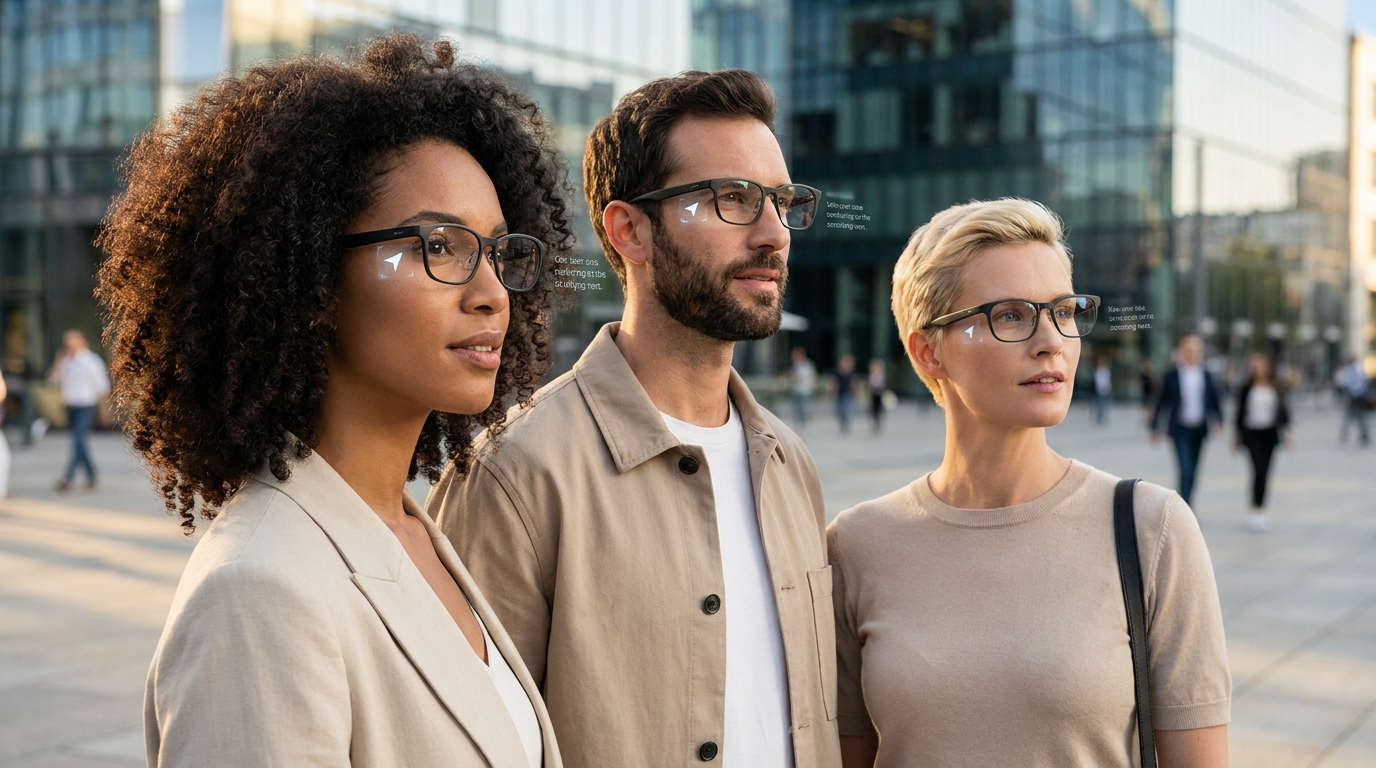
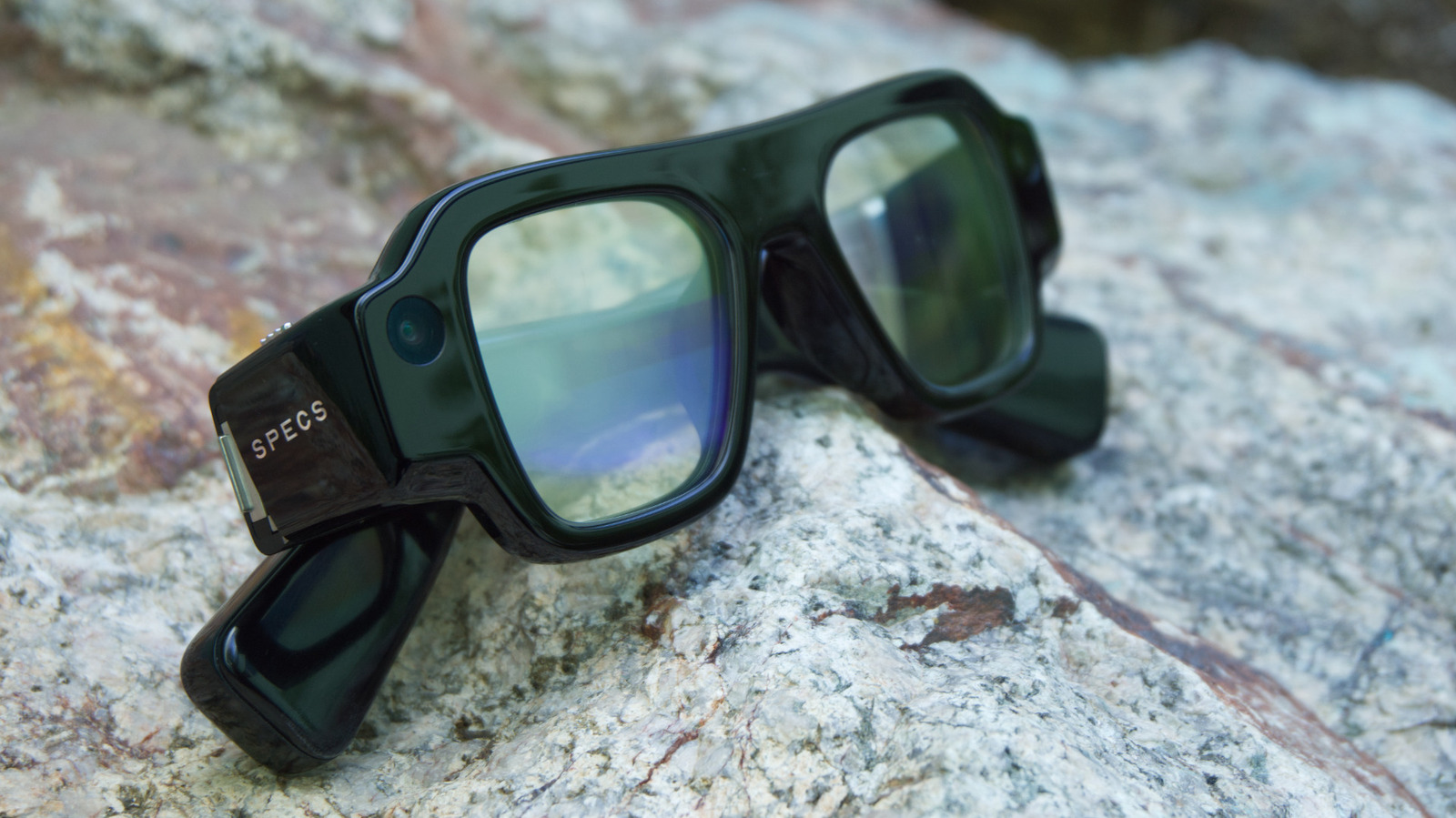
Bloomberg's Mark Gurman, as cited by Macworld, details the specific obstacles for the "Apple Glasses" project. Gurman notes that current smart glasses from Meta, Samsung, and Google have fostered public distrust due to associations with surveillance and non-consensual video recording. He writes that consumers are "uneasy around people wearing camera-equipped glasses," fearful of being recorded in public spaces. This generalized skepticism, Macworld reports, poses a significant risk to Apple's privacy-centric brand image.
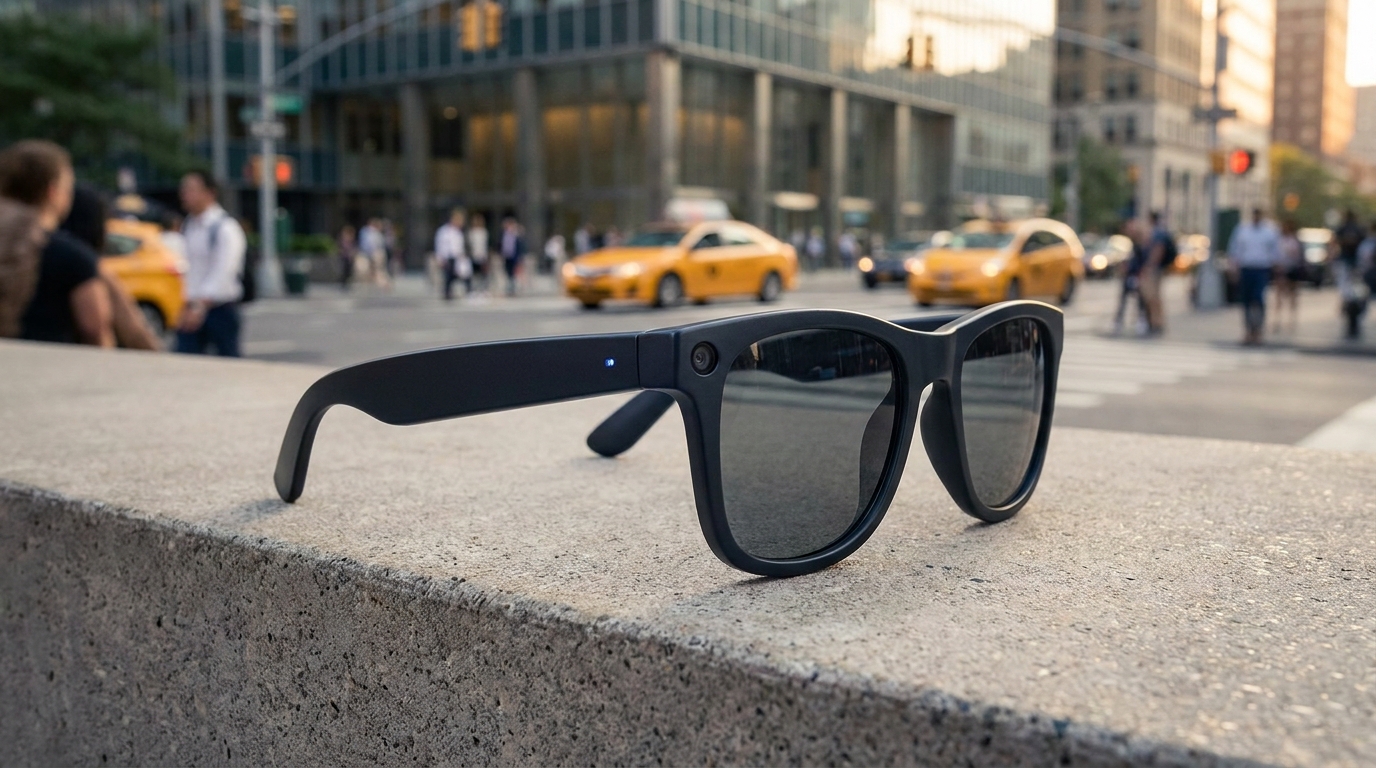
To counter these concerns, Apple intends to implement several privacy safeguards, Macworld reports. These include an indicator light for video recording, similar to Samsung and Google's rumored devices, with a mechanism to disable recording if the light is obstructed. The company will reportedly emphasize on-device processing, avoiding cloud-based data handling and steering clear of facial recognition or continuous "super-sensing" features. Apple also plans to avoid using third-party contractors for footage review or training AI models, a key distinction from Meta's practices.
A more radical approach, Gurman speculates, involves Apple launching smart glasses without any camera functionality. While this would diminish a primary draw of the category, it could still support hands-free calls, music, and AI assistance. Alternatively, Apple might include camera hardware but impose hard-coded limitations, preventing users from directly recording video or still images. In this scenario, the camera would serve solely as an AI data collection tool for environmental context, without storing user-accessible imagery.
Our take: Apple's dilemma highlights a critical tension in smart eyewear: the core utility of visual capture versus public privacy expectations. While a camera-less device might preserve Apple's brand, it risks launching a product already behind competitors in functionality. The industry is still searching for a universally accepted privacy framework for always-on vision. Apple's entry could either set a new standard or reveal the fundamental challenges of integrating cameras onto faces.
Interactive guide — prices, displays, cameras, battery.
Share this story