Manufacturer News · Apple
Apple's AI Glasses: WWDC27 Debut Paves Way for Developer Ecosystem
A new report suggests Apple will unveil its long-anticipated AI smart glasses at next year's Worldwide Developers Conference, targeting a late 2027 consumer launch. This timing points to an early software development push, mimicking the Vision Pro strategy.

On July 26, 2026, a report from Bloomberg's Mark Gurman, initially highlighted by 9to5Mac, indicated that Apple plans to debut its AI smart glasses at WWDC27. This aligns with earlier projections of a late 2027 market availability for the device.
Unveiling the glasses at a developer conference signals a clear intent to cultivate a robust software ecosystem from day one. This approach, seen previously with the Apple Vision Pro, allows developers crucial lead time to build applications and integrations before hardware hits shelves. The expectation is that the glasses will support third-party app data and actions, extending beyond Apple's native features.
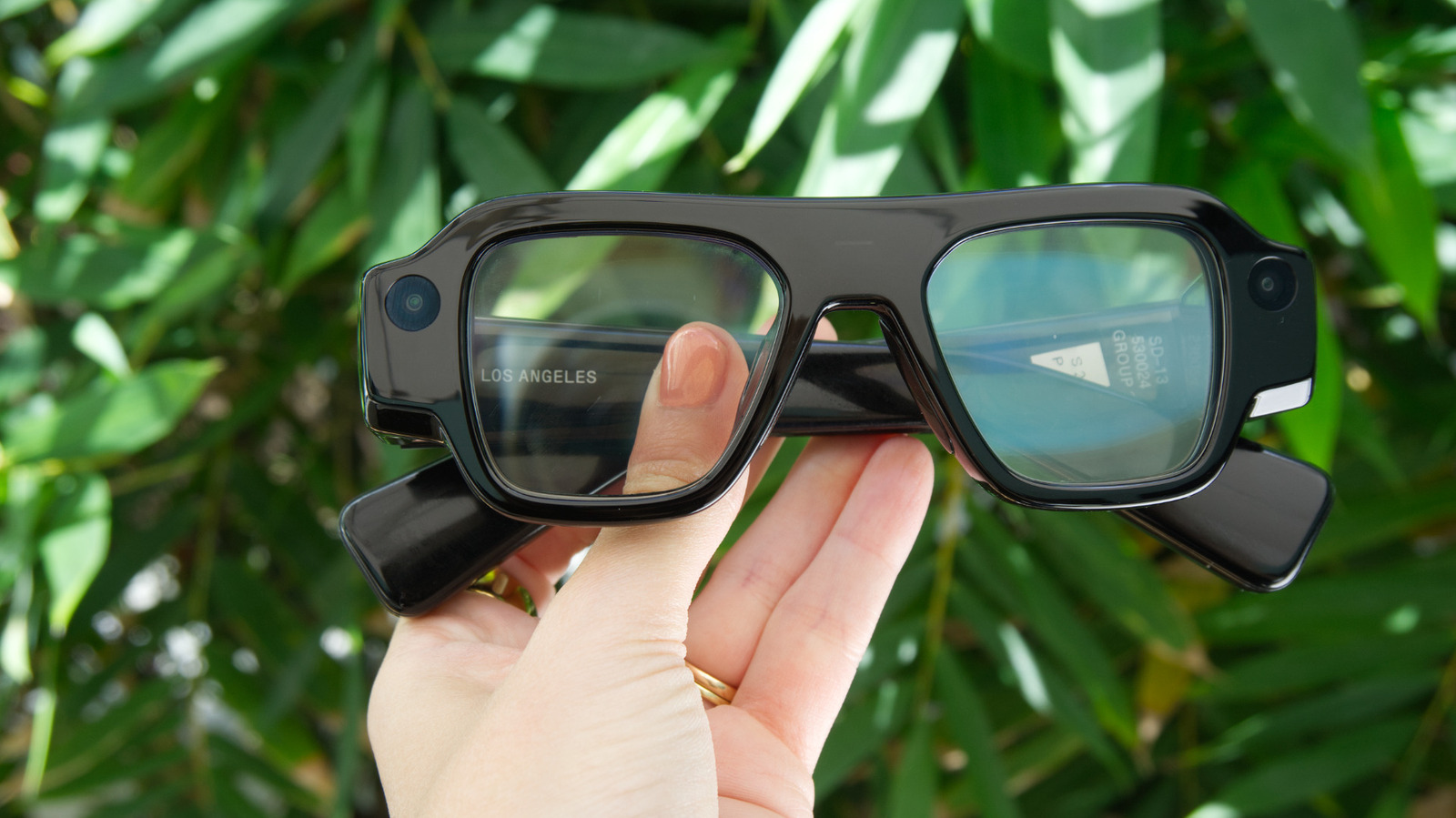
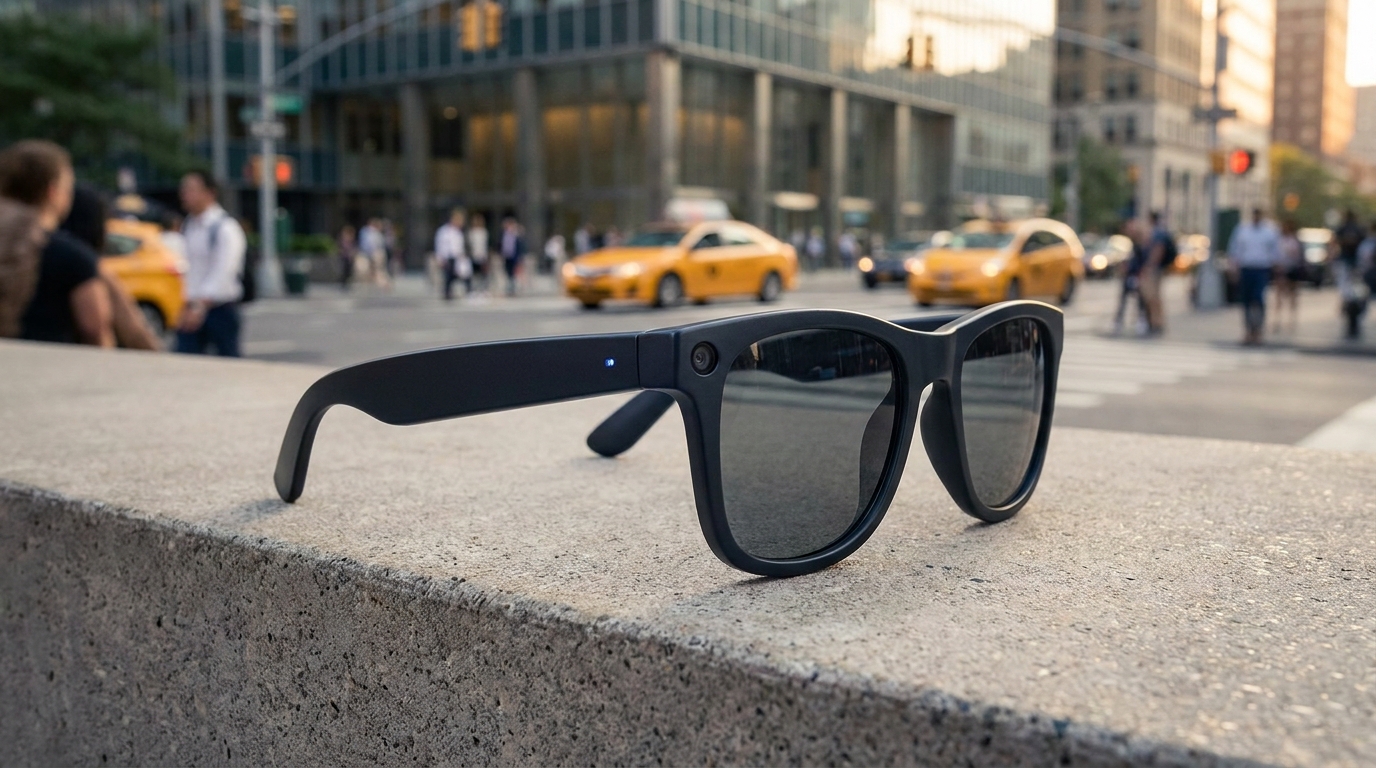
Gurman's report further suggests that privacy concerns have contributed to the device's delayed timeline. Existing smart glasses from competitors like Meta have faced backlash over camera-equipped designs. Apple is reportedly exploring multiple avenues to address this, including testing models without cameras entirely.
Another option being debated, according to Gurman, involves a full camera system where recording photos or video is strictly prohibited. In this scenario, cameras would serve solely to feed visual data into on-device AI tools for tasks like object and place identification, echoing planned functionalities for future camera-equipped AirPods and iPhone visual intelligence.
Our take: Apple's calculated move to introduce its AI glasses at WWDC, well ahead of a consumer launch, underscores a strategic focus on developer engagement. This measured rollout aims to prevent the "app gap" often seen with new hardware categories. Critically, their extensive efforts to pre-empt privacy issues, particularly around camera usage, will be a defining factor in mainstream adoption. The success of this strategy hinges on Apple's ability to deliver a compelling, privacy-first user experience that distinguishes it from previous market entrants.
Interactive guide — prices, displays, cameras, battery.
Share this story