Manufacturer News · Apple
Apple Preps 'N50' Smart Glasses to Challenge Meta with an On-Device Privacy Edge
New reports outline Apple's plans for camera-equipped smart glasses codenamed N50. Priced between $200 and $500, the wearable skips AR displays to focus on slim styling and local AI.
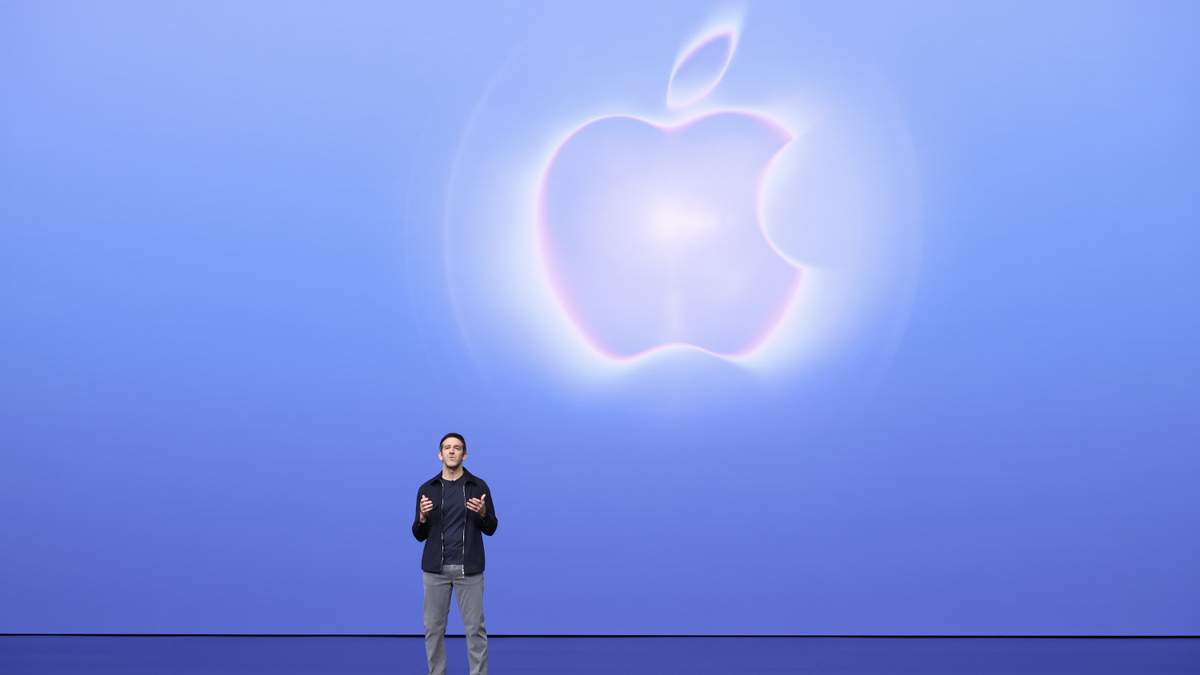
This week, fresh reports outlined Apple's roadmap for entering the consumer smart glasses market with an audio and camera frame codenamed N50. Designed to challenge Meta's dominant smart eyewear directly, the device focuses on a streamlined profile, everyday iPhone connectivity, and strict on-device data processing rather than complex, battery-draining augmented reality displays.
According to reporting compiled by wlac.iheart.com, citing MacRumors, Apple wants its frames to be noticeably slimmer than Meta's Ray-Ban smart glasses. The wearable will rely on paired iPhones to manage notifications, play audio, and capture still photos. A central selling point will be privacy: MacRumors notes that Apple is designing the glasses around on-device artificial intelligence, deliberately avoiding cloud-based video uploads to keep user imagery off external servers.
Hardware experiments inside Cupertino have reportedly pushed the privacy angle even further. As TweakTown reports, Apple explored camera-less prototypes during research phases to eliminate social recording friction, though commercial versions are widely expected to retain visual sensors for core utility. Regarding the release calendar, Bloomberg reporter Mark Gurman indicates that Apple could preview the device at a future Worldwide Developers Conference (WWDC) before shipping. The hardware is projected to carry a mainstream price tag between $200 and $500, with multiple frame styles and colorways planned to position it as a legitimate fashion accessory.
How it compares: Meta's collaboration with EssilorLuxottica established that consumers want lightweight, classic silhouettes over heavy face-mounted computers. Yet Meta's cloud-dependent multimodal pipeline continues to spark user hesitation over data retention and camera usage in public spaces. If Apple delivers comparable photo and audio fidelity while tethering visual processing exclusively to the iPhone's local Neural Engine, it could effectively solve the trust deficit that has kept many mainstream buyers from adopting connected eyewear.
What this means: Apple's decision to pursue camera glasses without optical displays represents a pragmatic shift after the high-end, heavy-duty rollout of the Vision Pro. True spatial waveguide displays remain years away from hitting everyday consumer form factors without brutal thermal and weight compromises. By offloading compute to the phone in your pocket and treating smart glasses as a stylish audio and camera peripheral, Apple is embracing the only formula that has proven commercially viable in the smart eyewear category so far.
Interactive guide: prices, displays, cameras, battery.
Share this story