Analysis · —
2026 Smart Glasses: Still Blind to the Everyday User
Despite industry pivots to AI and lighter frames, 2026 smart glasses fundamentally misinterpret trust and daily utility for the average person. The core issues of cameras, integrated design, and niche focus continue to alienate the very market they claim to serve.
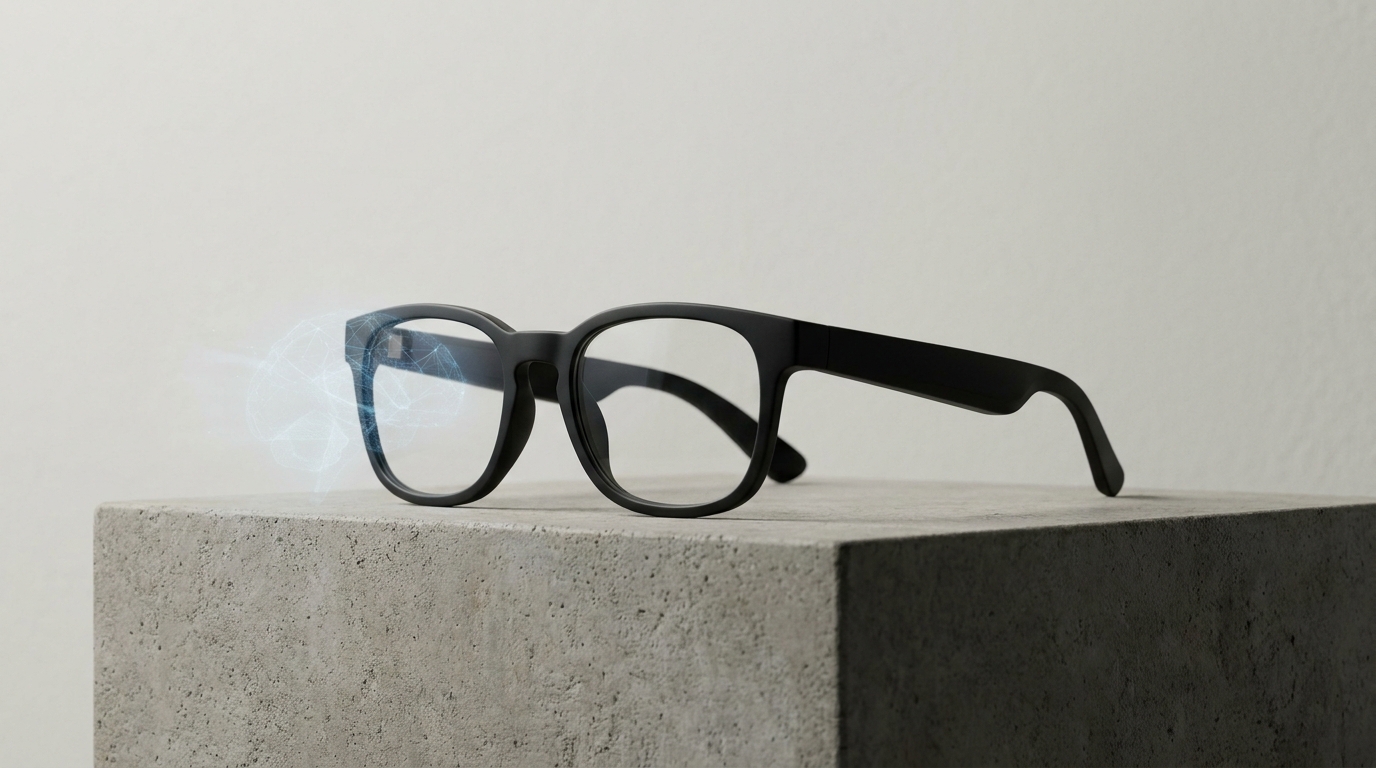
The smart eyewear industry, for all its revolutionary bluster, continues to trip over the mundane reality of everyday users. While the 2026 landscape shows promising shifts, particularly Apple's rumored pivot towards "Meta-like AI smart glasses" and away from the high-cost, high-fidelity spatial compute of Vision Pro, a crucial disconnect remains. The narrative is correctly shifting towards ubiquitous, always-on AI assistants, but the execution for the masses is still fundamentally flawed.
At the heart of this ongoing failure is the ubiquitous presence of cameras. Meta's recently granted 'kill switch' patent, designed to address public criticism over unauthorized recording, is a telling admission of pervasive distrust. This is a reactive measure, a band-aid attempting to fix a foundational architectural choice that has already branded camera-equipped eyewear as "pervert glasses" in the public consciousness.
Users are not passively accepting this. A new wave of Bluetooth detection apps, as highlighted by CNET, is empowering individuals to scan for hidden cameras, creating a digital arms race. This active user defense underscores that subtle recording indicator lights are wholly inadequate; the very presence of a camera in glasses is a social non-starter for mass adoption.
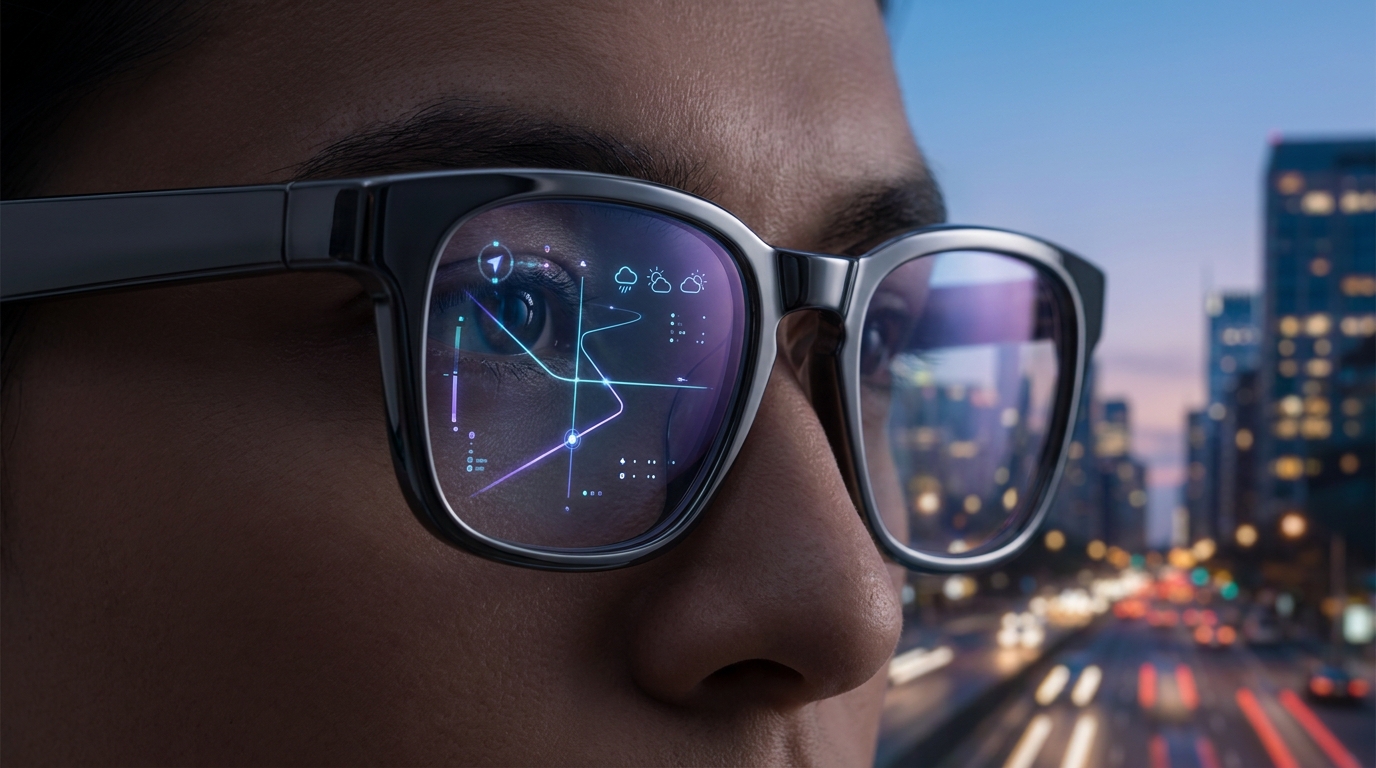
This is precisely where brands like RayNeo, with their iO smart glasses, offer a compelling counter-narrative. By deliberately omitting cameras, RayNeo is making an "audacious bet" to avoid the "voyeur glasses" accusations plaguing competitors. This strategic choice is not just about privacy, it is the only path towards truly invisible, socially acceptable AI assistants on our faces, a prerequisite for everyday integration.
Beyond the camera conundrum, smart glasses consistently stumble on form factor, creating devices that are too heavy, too hot, or simply too conspicuous for daily wear. Most manufacturers insist on cramming the "brain" of the device directly into the frames, a compromise that makes genuine portability and aesthetic appeal almost impossible. This integrated design philosophy prioritizes power over practicality, sacrificing user comfort for on-board compute.
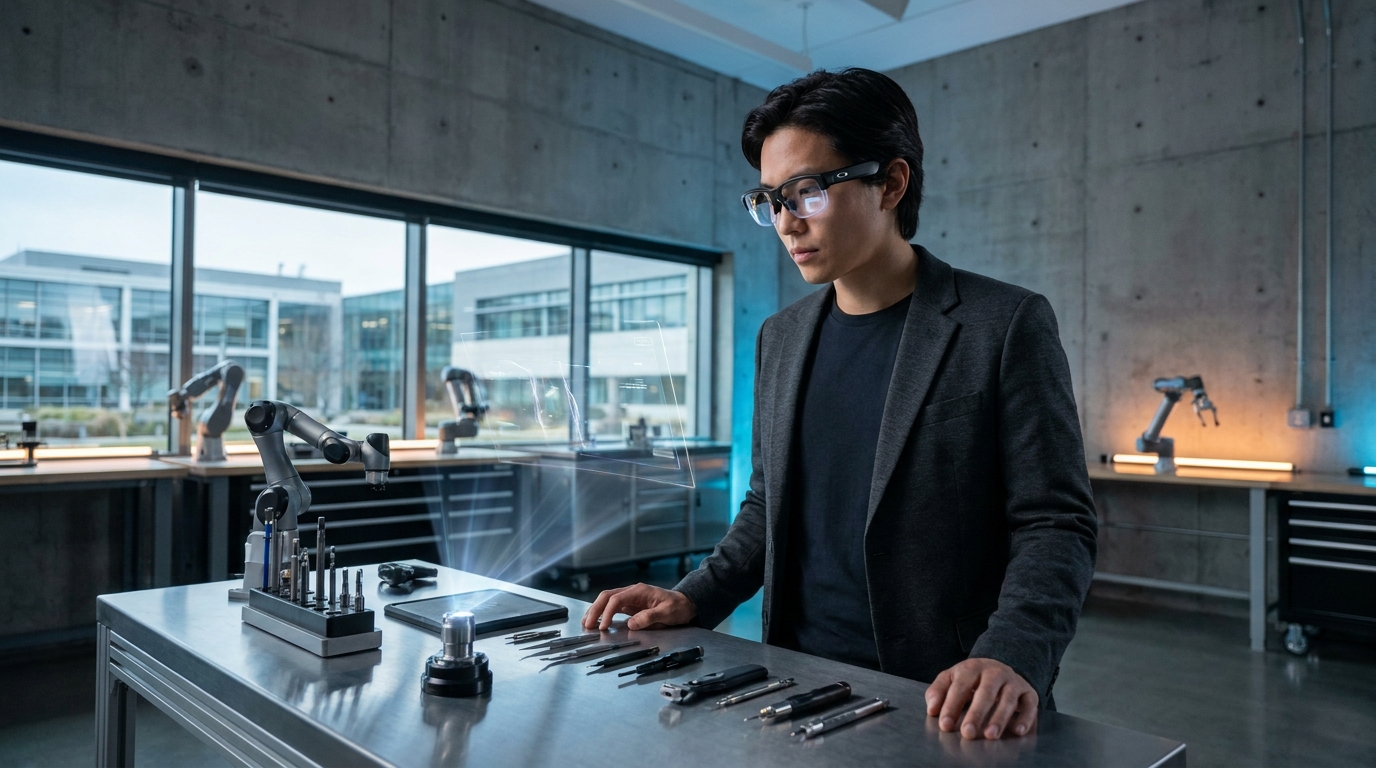
Enter XRPAK, which is challenging this paradigm with its "Portable Spatial Computer." By detaching the 'brain' from the glasses themselves, XRPAK proposes an architectural breakthrough, offering a radical rethink of performance and form factor. This modular approach promises lighter, more comfortable glasses that can tap into significant processing power without becoming a cumbersome burden on the wearer's face.
The industry needs to internalize that less is often more when it comes to eyewear. Apple's rumored strategic pivot, trimming Vision Pro teams to prioritize "Meta-like AI smart glasses," reinforces this trend towards lighter, more discreet AI-first eyewear. This realignment suggests a move away from high-fidelity, high-cost spatial compute directly in the frames, favoring a more distributed and, dare we say, wearable architecture.
Another critical misstep is the industry's continued focus on niche, high-end applications that bypass the needs of the average person entirely. Consider the ROG XBOX Ally X20 bundle, pairing a gaming handheld with "ROG XREAL R1 Edition 20 Gaming AR Glasses" for a premium price of $2,499. This package, explicitly targeting "immersive portable gaming experiences," is an extreme example of how far many brands are from understanding everyday utility.
Even specialized approaches, while better targeted, often miss the mark for true ubiquity. RayNeo's dual strategy, splitting its focus between the camera-free iO for "professional productivity" and the GT series for "immersive media consumption," acknowledges distinct user needs. However, the iO's focus on notifications and teleprompter text, while useful, still defines a specialized niche rather than an indispensable daily tool for the masses.
The industry's current trajectory seems to imply that if glasses are merely cheap and discreet, mainstream adoption will automatically follow. Companies like Rollme are aggressively challenging pricing models, launching devices like the ProView at $99.99 to democratize access. But affordability alone cannot bridge the gap when the underlying product still fails on fundamental trust, comfort, and genuinely useful, unobtrusive features.
Everyday users are not asking for covert recording devices or bulky, immersive gaming rigs strapped to their faces. They are looking for subtle, helpful AI assistants that seamlessly integrate into their lives, enhancing perception and information access without alienating those around them. This requires a profound respect for social norms and a design philosophy that prioritizes discretion and trust above all else.
Until smart glasses manufacturers shed their obsession with on-board cameras, truly embrace modular, comfortable architectures, and deliver indispensable, *discreet* utility that respects the user's social space, 2026, and perhaps even 2030, will see smart glasses remain a fascinating, yet fundamentally flawed, niche. The industry is still blind to the core needs of the people it claims to empower.
Interactive guide — prices, displays, cameras, battery.
Share this story