Analysis · —
The Unspoken Burden: Why Smart Eyewear is Still Chasing the Charger
The smart glasses industry is fixated on features and form factors, but a silent, pervasive killer lurks beneath the surface. Until battery technology gets a radical upgrade, all the grand visions for augmented reality will remain tethered.
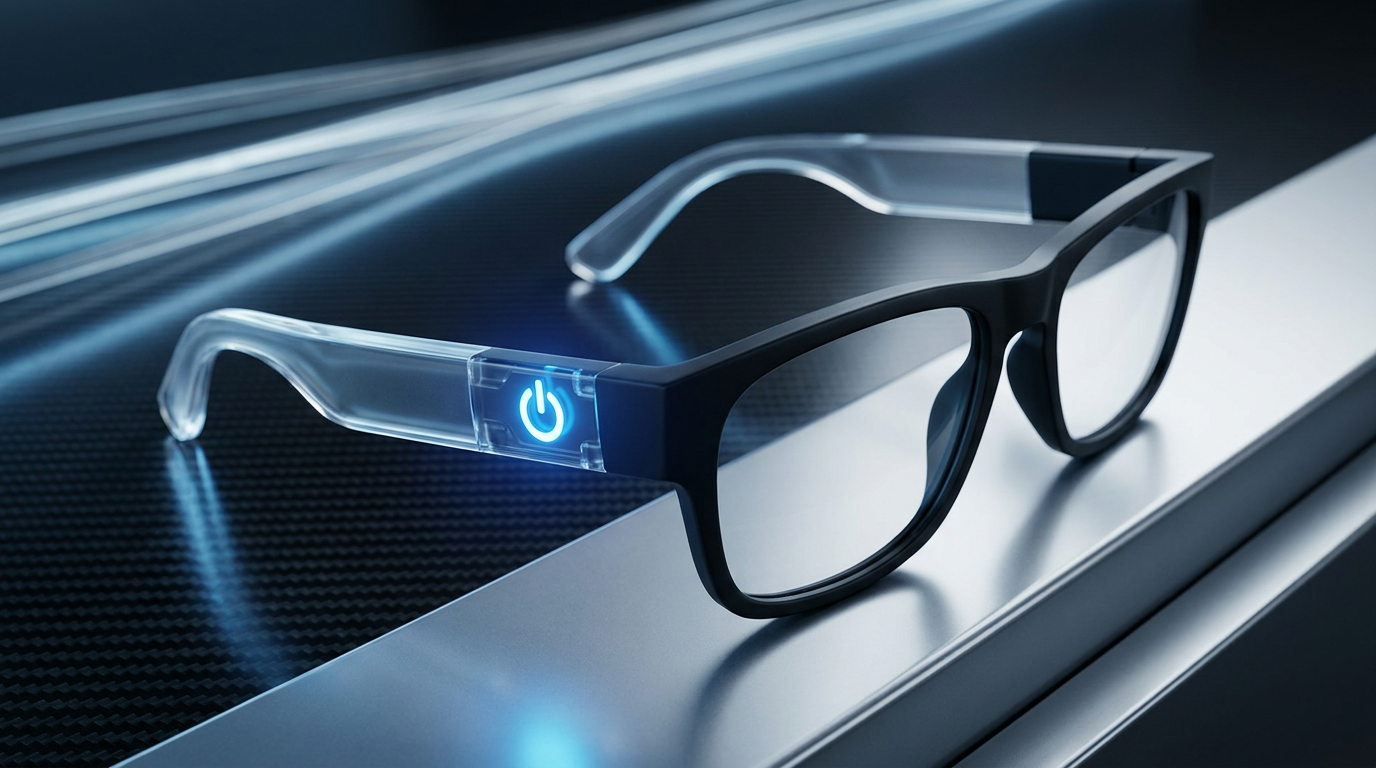
The smart eyewear market is experiencing a profound schism, with innovators pursuing everything from AI coding workstations to lifestyle accessories. While the industry grapples with privacy, adoption, and killer apps, one fundamental hurdle persists, often ignored in the public discourse. This isn't about regulatory bans or display resolutions; it's about the silent, limiting force of battery technology.
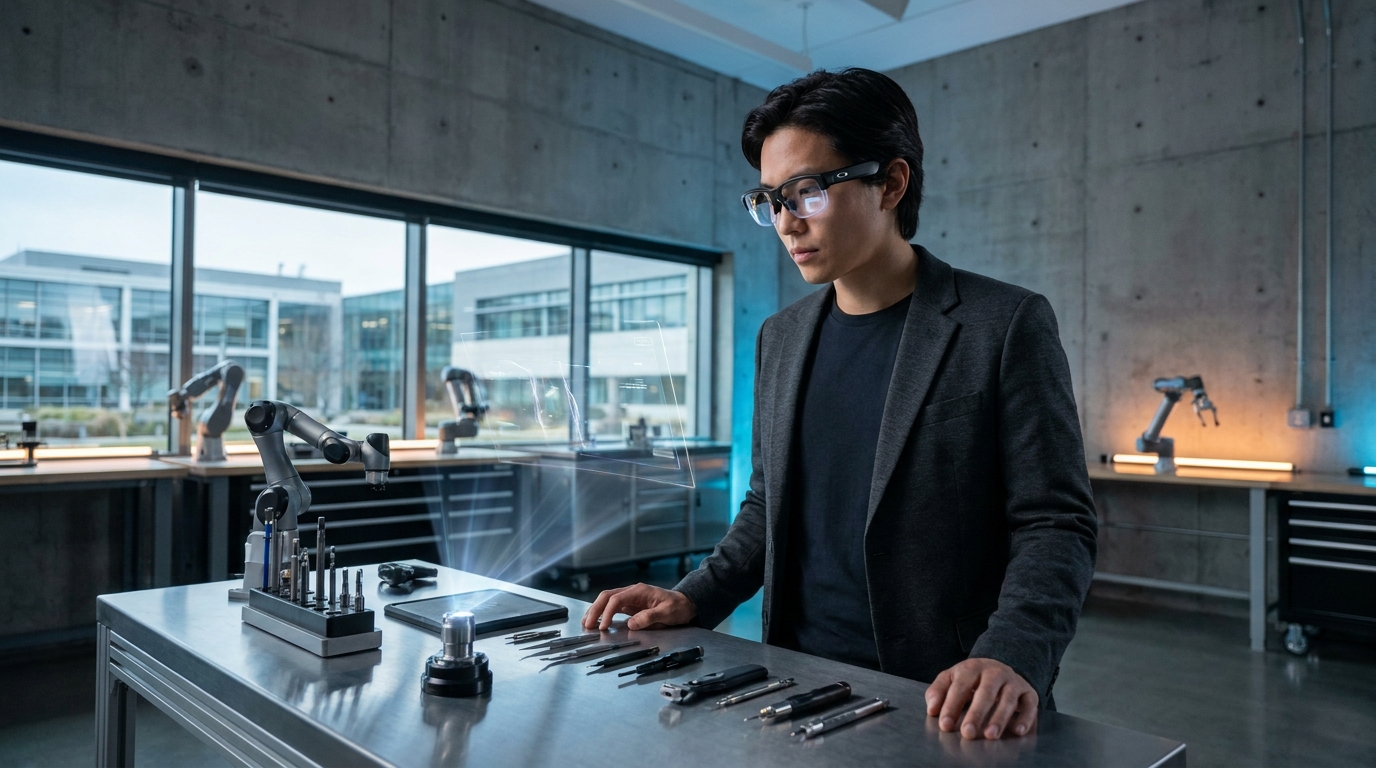
Monako Glass, a Chinese startup, makes an audacious gamble by targeting developers with an "ultra-light AI coding workstation" weighing a mere 48 grams. Monako explicitly positions its device as a "tool, not a toy," engineered for "extended use" during demanding intellectual labor. This premise presents a direct battery paradox, challenging current physics.
How does a device powering advanced AI agents like Claude Code and OpenAI Codex, plus a waveguide display and bone-conduction microphone, sustain hours of intense work in such a minuscule, integrated package? The industry is quick to tout lightweight designs and computational prowess, but remains remarkably quiet on the power source enabling these feats. Achieving all-day functionality at 48 grams with current battery chemistry feels less like engineering and more like aspiration.
Snap CEO Evan Spiegel's vision for Specs similarly demands an energy miracle, positioning them as "computing for a present future" that allows users to "remain engaged with their physical surroundings." This aspirational goal of seamless, all-day integration into one's life fundamentally requires a battery solution that does not interrupt engagement. A device needing frequent recharges pulls users out of the present, precisely what Spiegel claims to counter.
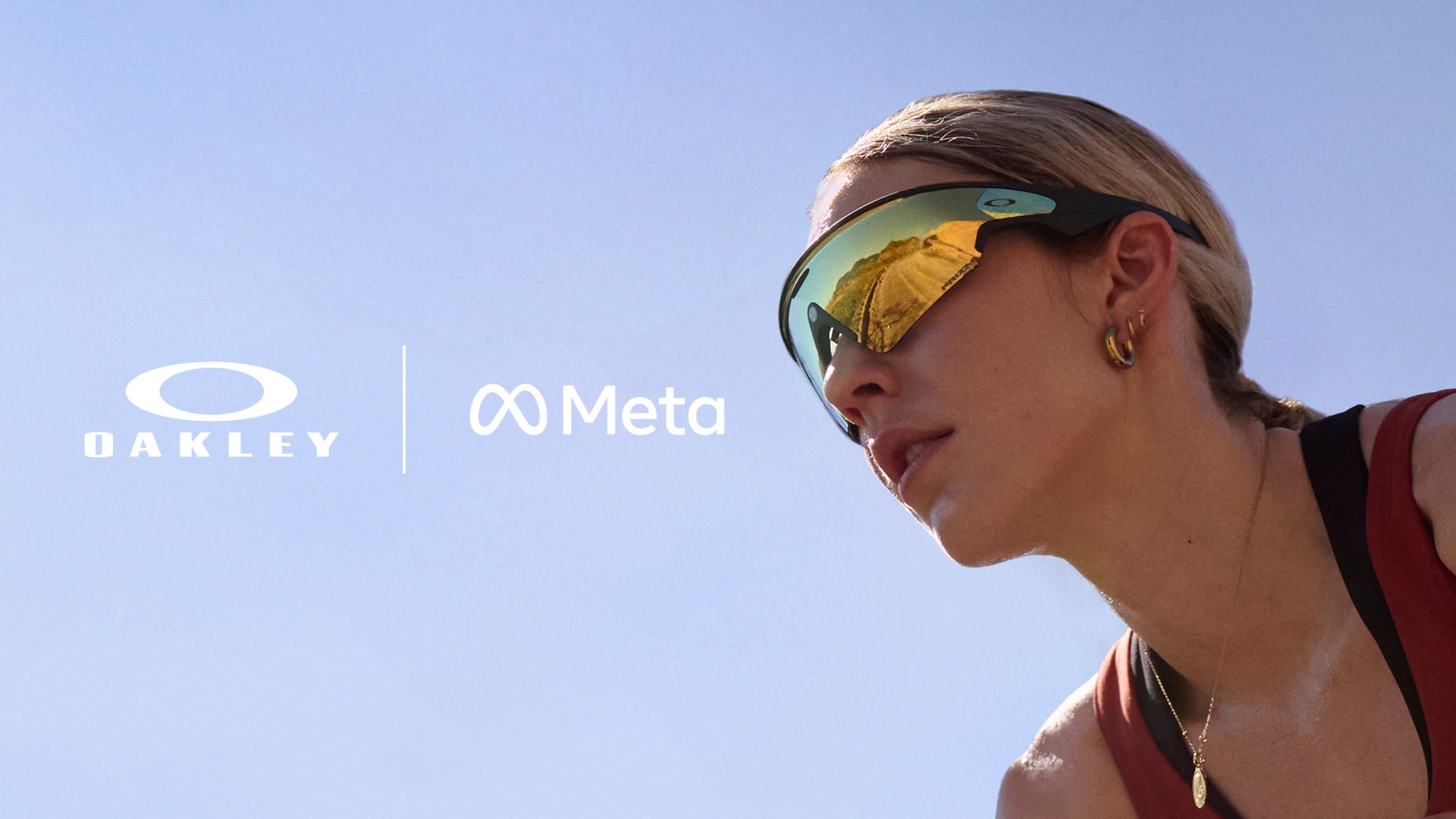
Meta's AI Glasses, despite their privacy controversies, highlight another facet of the battery problem. The desire for "discreet capture" and "ambient AI," as Meta initially pushed, implicitly requires devices capable of long, unsupervised operation. The public's concern over "pervert glasses" partially stems from the assumption that these devices could record surreptitiously for extended periods, a capability utterly dependent on robust, hidden power.
Meta's reaction to privacy backlash, including implementing a "capture LED" and mandating firmware updates to disable cameras if tampered with, indirectly points to this underlying power duration. While a privacy measure, it underscores a company grappling with the *perceived* persistent capability of its devices. If the glasses were known to last only 30 minutes, some of the widespread privacy fears might be significantly different.
Apple Vision Pro, showcased by Lamborghini's new immersive showroom app, provides a stark contrast to these lightweight ambitions. The ability to experience hypercars in life-sized, detailed showcases is powerful, yet Apple's decision to house the Vision Pro's battery in an external pack reveals an unavoidable trade-off for high-fidelity AR. This solution sacrifices "presence" and "lightweight comfort" for raw processing power, directly contradicting the all-day, integrated visions of Snap and Monako.
Then there's XREAL, launching "budget AR glasses" at a competitive $300, promising "best-in-class picture quality," according to PCMAG. Superior displays, however, are notoriously power-hungry. Delivering bright, high-quality visuals in a "discreet aesthetic" resembling conventional sunglasses implies a compact, integrated battery that somehow defies the typical budget constraints.
The unstated compromise in XREAL's strategy likely lies in battery life. How does a company achieve such an aggressive price point and display quality without a significant trade-off in runtime? The budget segment usually forces difficult compromises, and battery life is often the first to suffer. The promise of an "accessible AR" experience for the masses, yet again, hinges on a battery solution that is either remarkably efficient or severely limited in its duration.
Every smart eyewear brand, from Monako's hyper-specialized tool to Snap's lifestyle accessory and XREAL's budget displays, implicitly or explicitly runs into the same wall. They all aspire to lightweight, all-day, powerful functionality, but the core battery chemistry remains a fundamental bottleneck. Innovation in displays, processors, and AI agents continues at a rapid pace, but the power source consistently lags behind.
The smart eyewear industry is obsessed with form factors, software ecosystems, and privacy policies, often diverting attention from the underlying physical constraints. Yet, the foundational challenge of power density and energy efficiency at scale is largely absent from public discourse. This silence suggests either an intractable problem or a collective, unspoken hope for a miraculous breakthrough.
Until we see a significant leap in battery technology-perhaps solid-state, or a new chemical composition offering orders of magnitude improvement in energy density-smart eyewear will continue to be defined by its power cord, external battery pack, or severely limited runtime. The visions of truly integrated, always-on, invisible computing will remain just that: ambitious visions, tethered to the charger.
Interactive guide — prices, displays, cameras, battery.
Share this story