Analysis · -
Meta's Privacy Nightmare is XREAL's Playbook for AR Display Dominance
While Meta battles public distrust over its camera-centric glasses, players like XREAL, RayNeo, and Rokid are quietly capturing the future of augmented reality with superior displays and a focus on utility, not surveillance.
The smart glasses market is in flux. While Meta positions its AI Glasses as the vanguard of a "display-less" revolution, focusing on ambient AI and discreet capture, a different, more practical form of smart eyewear is making a silent, strategic ascent. The recent deluge of privacy-related backlash against Meta's devices underscores a fundamental miscalculation that XREAL, RayNeo, and Rokid are expertly exploiting.
The headlines paint a bleak picture for Meta's camera-first strategy. New York State's sweeping ban on smart glasses in over 1,240 courthouses is not an isolated incident; it's a chilling harbinger of public sentiment. This regulatory action, triggered by concerns over surreptitious recording, is merely a formalization of the intense online discourse decrying "pervert glasses" and the resulting hostility users face.
Meta's desperate attempts to regain trust, including mandatory firmware updates that hard-disable cameras if privacy LEDs are tampered with, reveal the depth of their predicament. They are fighting a rear-guard action against a problem of their own making: prioritizing ubiquitous, covert capture over user comfort and social acceptance. Users are reportedly turning their Meta smart glasses into "fancy paper weights," a damning indictment of a product struggling to find public footing.
This privacy quagmire, however, creates an open field for companies that understand a different truth: the core value of smart glasses lies in their ability to augment reality, not merely record it. This is where XREAL, along with its contemporaries like RayNeo and Rokid, is quietly winning. These brands are not just competing; they are setting the new standard for what a truly useful smart display should be.
XREAL's aggressive entry into the budget AR market is a case in point. Their new X by XREAL a01+, priced at an accessible $299 or $300, is a strategic masterstroke. PCMAG hails its "best-in-class picture quality" and lightweight design, proving that powerful visual augmentation can be both affordable and discreet. This move democratizes AR displays in a way Meta's current offerings simply cannot match.
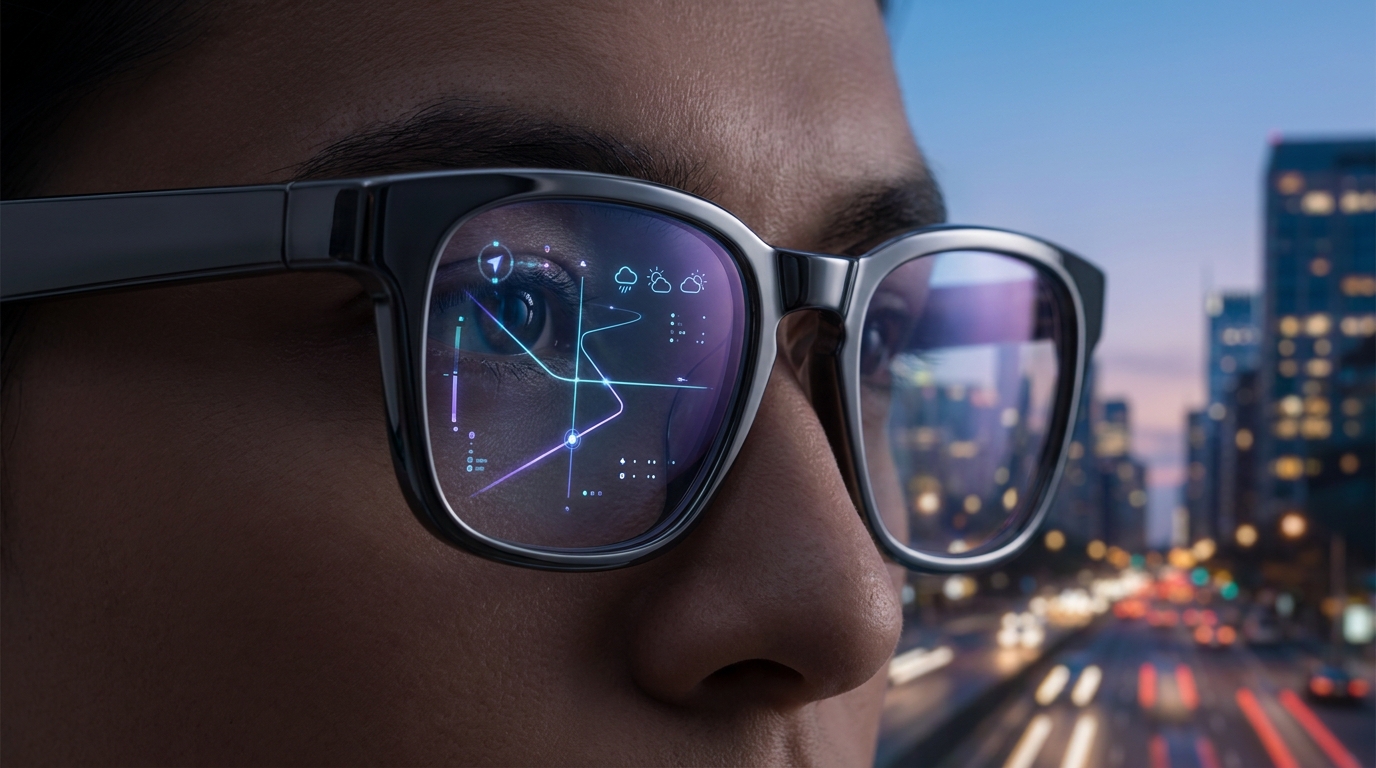
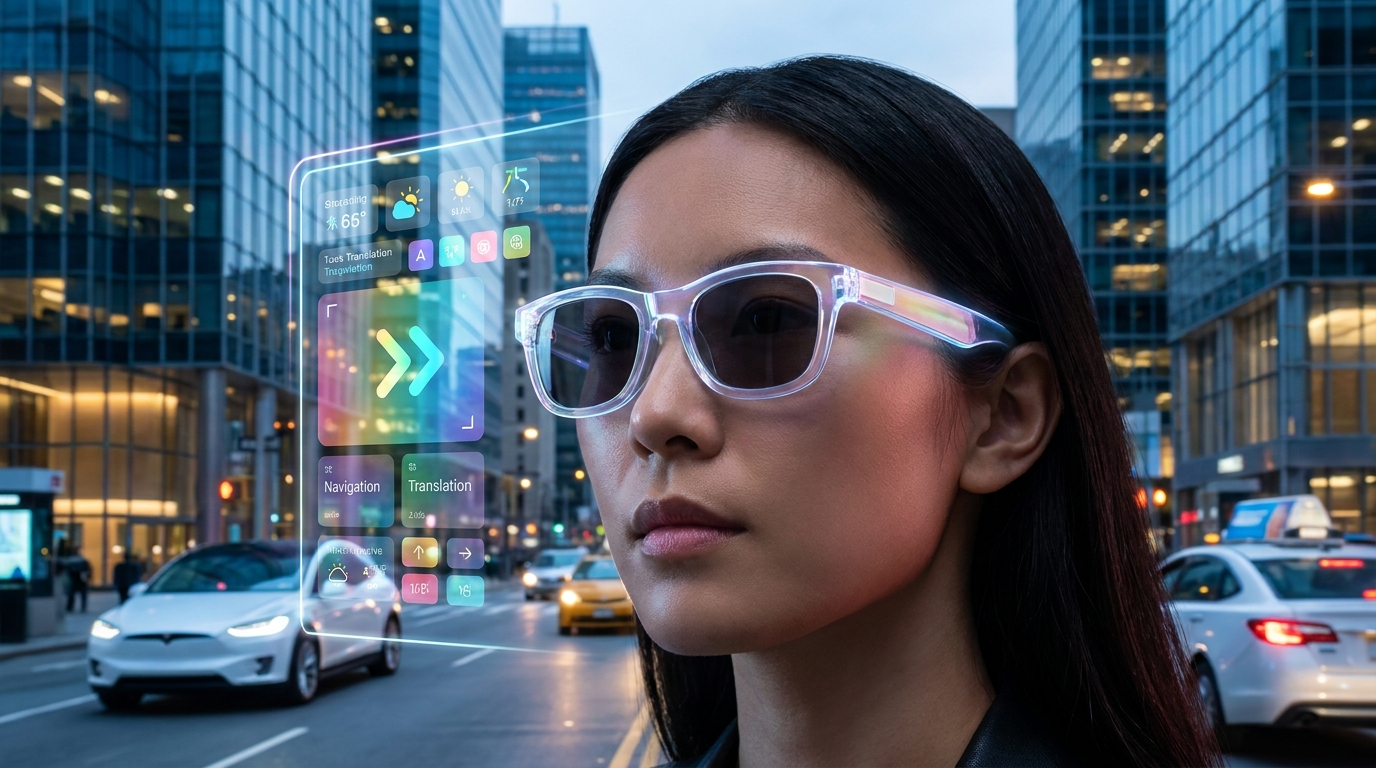
Unlike Meta's "display-less" approach, XREAL embraces the display as its primary utility. The a01+ offers a bright display and an understated aesthetic, resembling conventional sunglasses. It delivers on the promise of augmented reality: providing valuable information, multiple virtual screens, and enhanced workflows directly to the wearer's line of sight, without the inherent creep factor of an always-on camera.
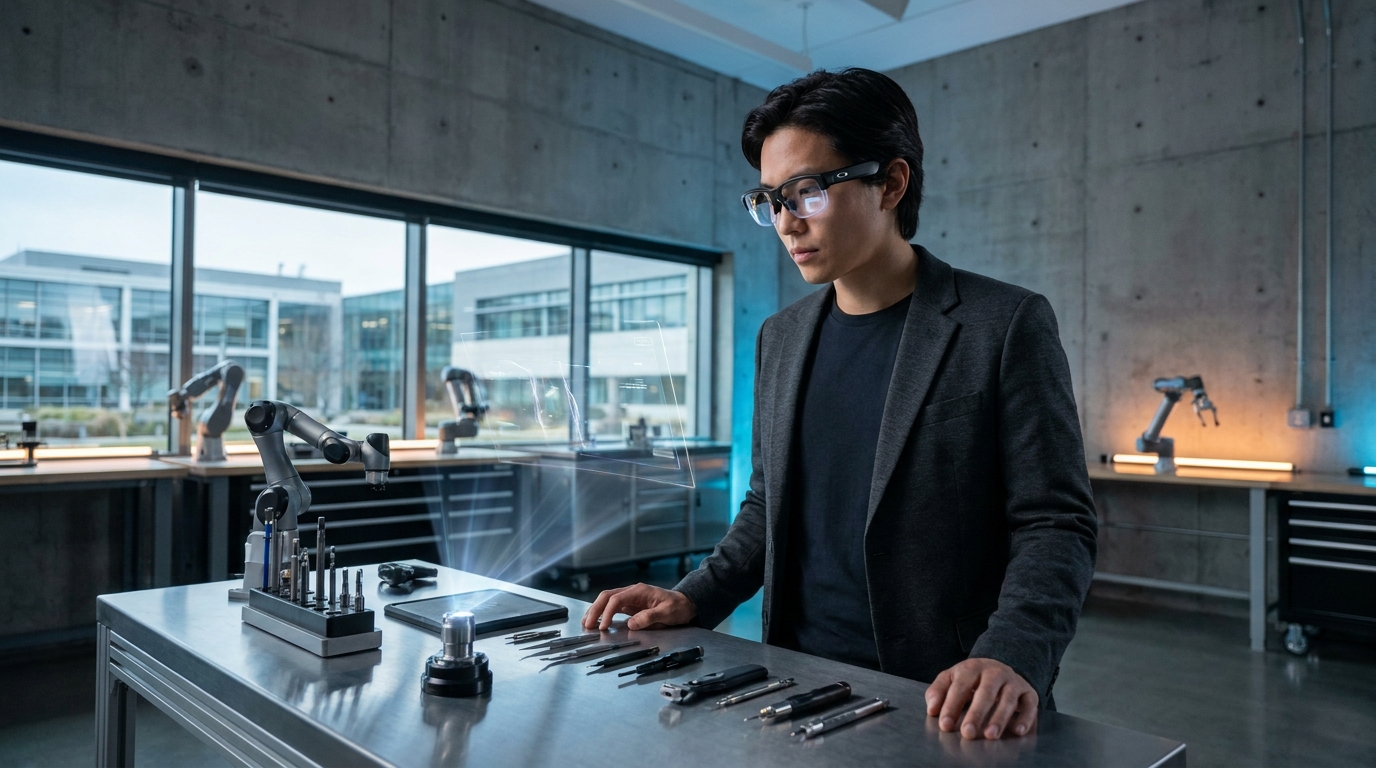
Beyond mass consumer adoption, the professional market is also gravitating towards display-centric eyewear. Monako Glass, a Chinese startup, explicitly targets software developers with an AI coding workstation. Weighing a mere 48 grams, Monako Glass integrates a waveguide display and AI coding agents into a "face-worn development environment," proving the profound utility of dedicated displays for high-value tasks.
Even Magic Leap, a long-standing pioneer in the AR space, is deepening its ties with Google and bolstering production with Pegatron, all while emphasizing its core waveguide technology for future AI display glasses. This commitment to sophisticated optical systems further underscores that the future of augmented reality is fundamentally about what you *see*, not just what you record or hear.
The "glanceable revolution," as we've termed it, is quietly resurfacing with these HUD-only glasses. They offer utility without the full AR spectacle, providing crucial information unobtrusively. This strategic focus bypasses the privacy landmines that have plagued camera-first devices, allowing users to integrate technology seamlessly into their daily lives without inviting public scorn or legislative bans.
While Meta insists that "real innovation isn't about pixels," companies like XREAL are demonstrating precisely the opposite. The battle for mass adoption isn't about philosophical debates over "display-less" utility; it's about delivering tangible, valuable visual information in a socially acceptable form factor. A clear, high-quality display that enhances perception and productivity is a far more compelling proposition than a device primarily known for its recording capabilities.
The narrative that Meta's "spectacle-free" smart glasses will beat Apple's AR grand vision by eschewing elaborate overlays misses the point. The success of XREAL, and by extension RayNeo and Rokid, lies in offering smart, subtle *visual* augmentation that users actually want and trust. They are building a foundation of utility, not controversy.
These companies are not merely selling gadgets; they are selling a vision of augmented reality that prioritizes the user's experience and public comfort over surreptitious capture. Their focus on superior, accessible displays positions them as the quiet victors in the ongoing smart glasses war, steadily winning market share and user loyalty while Meta navigates an uphill battle for basic acceptance.
Interactive guide — prices, displays, cameras, battery.
Share this story