News · Monako
Monako Glass Targets Developers, Not Consumers, With AI Coding Workstation
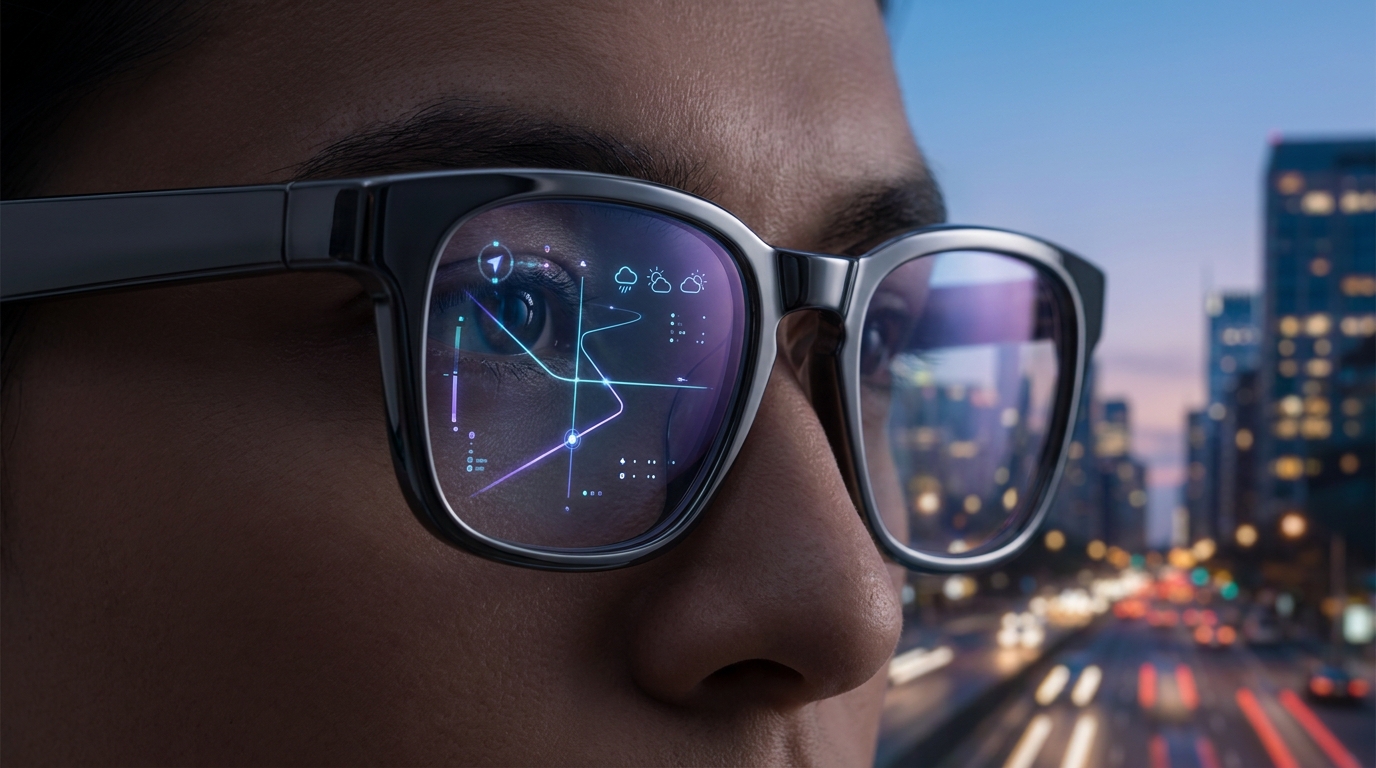
Monako Glass, weighing just 48 grams, integrates a bone-conduction microphone, waveguide display, and a Linux-based OS with AI coding agents like Claude Code and OpenAI Codex. The Chinese startup positions the eyewear as a complete, face-worn development environment.
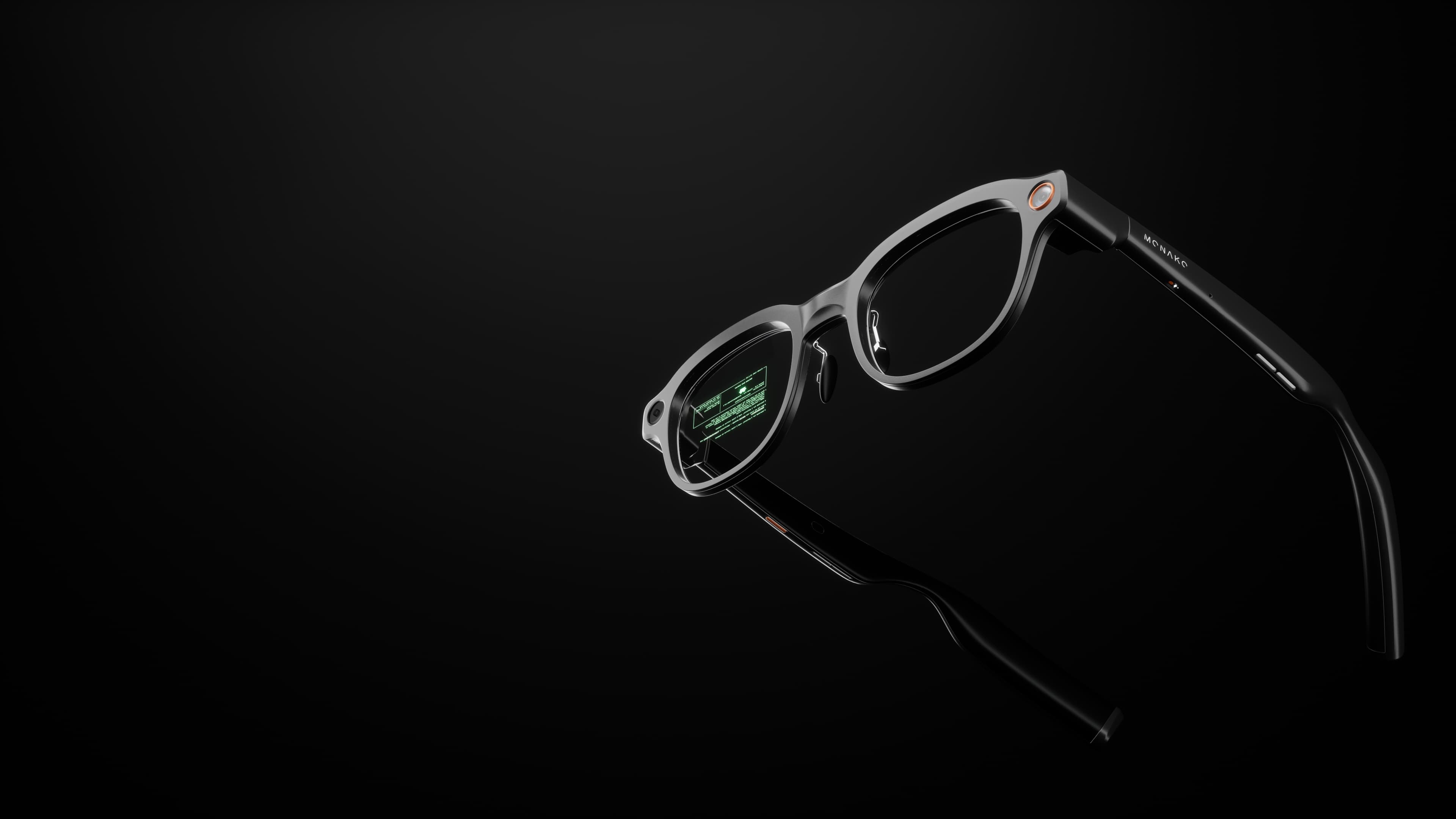
Monako, a Chinese hardware startup founded in 2026, has unveiled Monako Glass this week, an AI smart eyewear device targeting software developers rather than the mass consumer market. The company, led by Candy Yue Li, opened public reservations for $19 on monako.ai, promoting the device as 'not a toy, a tool,' as Monako reports.
Unlike the camera-centric smart glasses often seen today, Monako Glass prioritizes a lightweight design at 48 grams. Monako claims this makes it the world's lightest smart glasses to combine a waveguide display, camera, and integrated speakers. The frame's weight distribution is engineered for comfort during extended use, whether at a desk or on the go.
Input mechanics also set Monako apart. Instead of conventional air-borne microphones that struggle in noisy environments, Monako Glass employs a bone-conduction microphone. The company argues this method, which captures nasal vibrations, offers superior performance for 'Typeless' dictation and Whisper Flow, key to unlocking productivity on a wearable device.
The software stack reinforces the developer focus. Monako Glass runs MonoOS, described by the company as the first Linux distribution specifically built for smart glasses. It features a Lua application layer, powered by LuaJIT for efficient resource use, and an embedded Rive animation runtime for sharp vector UI. Crucially, its Agent Terminal includes native connectors for AI development tools like Claude Code and OpenAI Codex, alongside integrations for Unreal Engine, Blender, and After Effects.
Monako envisions a workflow where developers dictate prompts, observe AI coding agents executing tasks in a cloud sandbox, and preview results directly on the waveguide display, all without a keyboard. Monako also highlights a 'Vision Engine,' reportedly inspired by Apple's Vision Pro, which translates micro-gestures into precise digital commands. The startup also 'talks up' 'hyper-personalized apps' that can be voiced into existence and shared as server-backed experiences, Monako reports.
Monako itself appears to be a lean operation, with LinkedIn listing a single employee and a 2026 founding date, consistent with many emerging Shenzhen-area AI glasses startups that launch with reservation pages and concept videos ahead of mass production. Outlets like CIOL, Livemint, Startup Fortune, and Influence 360, covering the company in June and July 2026, have positioned Monako as a significant attempt to reframe smart glasses as a coding workstation.
Our take: Monako is actively challenging the industry's prevailing smart glasses theses. While Meta and Ray-Ban lean into capture and social features, Apple focuses on spatial media, and XREAL and Viture optimize for external displays, Monako targets an unaddressed niche: eyewear as a primary work surface for coders. The viability of this pitch hinges on real-world factors like mass production, battery life, and the actual field of view of its 48-gram waveguide. However, its strategic positioning is among the most astute we've observed from a new market entrant this year.
Interactive guide — prices, displays, cameras, battery.
Share this story