Guides · Lamborghini
Lamborghini's Vision: From Hypercars to the Hyper-Real in Smart Glasses
The iconic supercar brand, Lamborghini, is making an unexpected, yet undeniably intriguing, entry into the smart glasses arena. This isn't just about branding; it's a strategic move that fundamentally reshapes the conversation around luxury, immersion, and digital ownership.
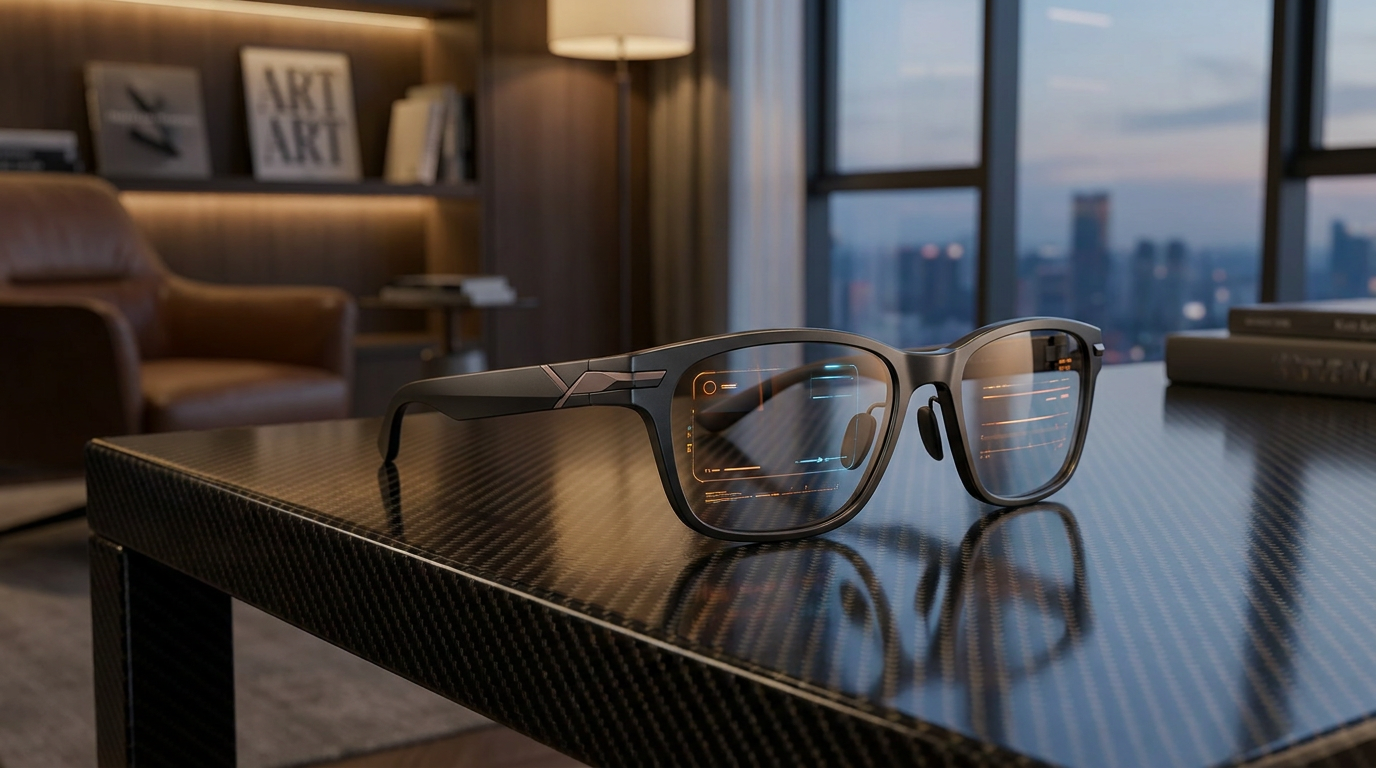
Lamborghini. The name alone conjures images of raw power, uncompromising design, and stratospheric price tags. For decades, it has been a benchmark for automotive excess and engineering prowess. Now, this titan of Italian luxury is planting its standard firmly in the budding landscape of smart eyewear and augmented reality, and Smart Glasses Daily is taking notice. Their entrance isn't a mere dalliance; it's a potent signal that the future of luxury extends beyond the physical, demanding a new kind of immersive digital ownership.
This move, while surprising to some, isn't out of character. Lamborghini has consistently pushed boundaries, whether in automotive performance or audacious styling. Their foray into smart glasses, specifically with a high-profile Apple Vision Pro application, demonstrates a keen understanding of evolving consumer expectations within their elite demographic. This isn't a play for mass appeal; it's a meticulously crafted strategy to captivate ultra-high-net-worth individuals, integrating their digital lives with the aspiration and exclusivity Lamborghini has perfected.
The core of Lamborghini's brand is aspiration and unparalleled experience. Their vehicles are statements, and their clientele demands nothing less than the extraordinary. Translating this ethos to smart glasses means focusing on immersive, high-fidelity experiences that extend the brand's reach directly into the digital realm. It's about providing exclusive access, personalized interaction, and a continued sense of elite ownership, all through the lens of cutting-edge mixed reality.
Lamborghini's initial foray into the smart glasses ecosystem is currently defined by their "Lamborghini Hypercars Home with New Vision Pro Showroom App," launched in July 2026. This application, designed exclusively for Apple Vision Pro, allows enthusiasts to meticulously explore four rare Lamborghini vehicles in life-sized, high-fidelity augmented reality. While the company has not yet announced branded smart glasses hardware, this software-first approach is strategic, capitalizing on an existing premium platform.
The app itself offers an immersive showroom experience, allowing users to interact with digital twins of their dream cars, rotate them, examine intricate details, and even place them virtually within their own environments. This isn't a game; it's a sophisticated visualization tool and a direct extension of the luxury purchase journey. Details regarding any proprietary smart glasses hardware from Lamborghini remain under wraps, but their initial focus clearly signals a commitment to premium, high-fidelity AR experiences over generalized utility.
Without dedicated Lamborghini smart glasses hardware to analyze, direct comparisons become about ecosystem and intent. Microsoft's HoloLens 2, for example, is an enterprise-focused mixed reality headset, built for industrial applications, training, and remote collaboration. Its strength lies in robust, standalone MR capabilities for professional use cases. Lamborghini, by contrast, is leveraging a consumer-facing, albeit premium, platform (Apple Vision Pro) for experiential branding and digital engagement.
Companies like INMO and TCL RayNeo offer consumer-grade smart glasses with differing core functionalities. INMO's Air 2 and GO focus on real-time translation and lightweight connectivity, prioritizing portability and practical, everyday utility. TCL RayNeo's Air 3s and X3 Pro are AR glasses emphasizing display quality and light entertainment, designed for more general consumer adoption. Lamborghini's current move doesn't compete on these functional grounds; it competes on exclusivity, immersive brand experience, and high-end digital engagement, positioning itself in a league separate from these utility-first or general-purpose devices.
The true differentiator for Lamborghini isn't technical specifications of hardware they've yet to release, but the sheer weight of their brand and its associated prestige. While the aforementioned competitors battle for market share based on price, form factor, or specific AI features, Lamborghini is selling an extension of an aspirational lifestyle. Their ecosystem isn't open; it's curated and exclusive, aligning perfectly with their existing customer base and brand identity.
For now, Lamborghini's smart glasses play is squarely aimed at its existing ultra-luxury demographic, leveraging the Apple Vision Pro as a high-end gateway to immersive brand experiences. This isn't about democratizing AR; it's about elevating it to a new echelon of exclusivity and digital ownership. The immediate value proposition is tied to virtual product showcases and perhaps, in the future, personalized virtual interactions and exclusive digital content tied to their physical vehicles.
Smart Glasses Daily views Lamborghini's entry as a bellwether for how ultra-luxury brands will engage with emerging mixed reality technologies. The strengths lie in their unparalleled brand cachet, their deep understanding of experiential luxury, and a clear, focused strategy on high-fidelity, premium digital interactions. They are not chasing the mass market, but reinforcing their position at the very top.
The primary weakness, from a broader smart glasses perspective, is the lack of proprietary hardware and a reliance on an external, albeit premium, ecosystem. This limits direct control over the end-user experience and potential innovation pathways. However, for their specific target audience, an Apple Vision Pro app is an intelligent, low-risk entry.
What to watch in the next 12 months? We anticipate further expansion of their AR app's functionalities, possibly incorporating customization options, virtual test drives, or exclusive digital events. Crucially, we'll be looking for any signals or leaks regarding Lamborghini's intention to develop their own branded smart glasses hardware. Such a move would be a definitive statement, but even without it, their current trajectory solidifies their role as a significant, albeit niche, player to observe in the evolving smart glasses landscape.
Interactive guide — prices, displays, cameras, battery.
Share this story