Analysis · -
The Hacker's Horizon: Monako, Open Displays, and the Future of Augmentation
Forget the privacy-scarred consumer glasses. A new generation of utility-focused, open smart eyewear is emerging, empowering developers and builders to truly shape augmented reality.
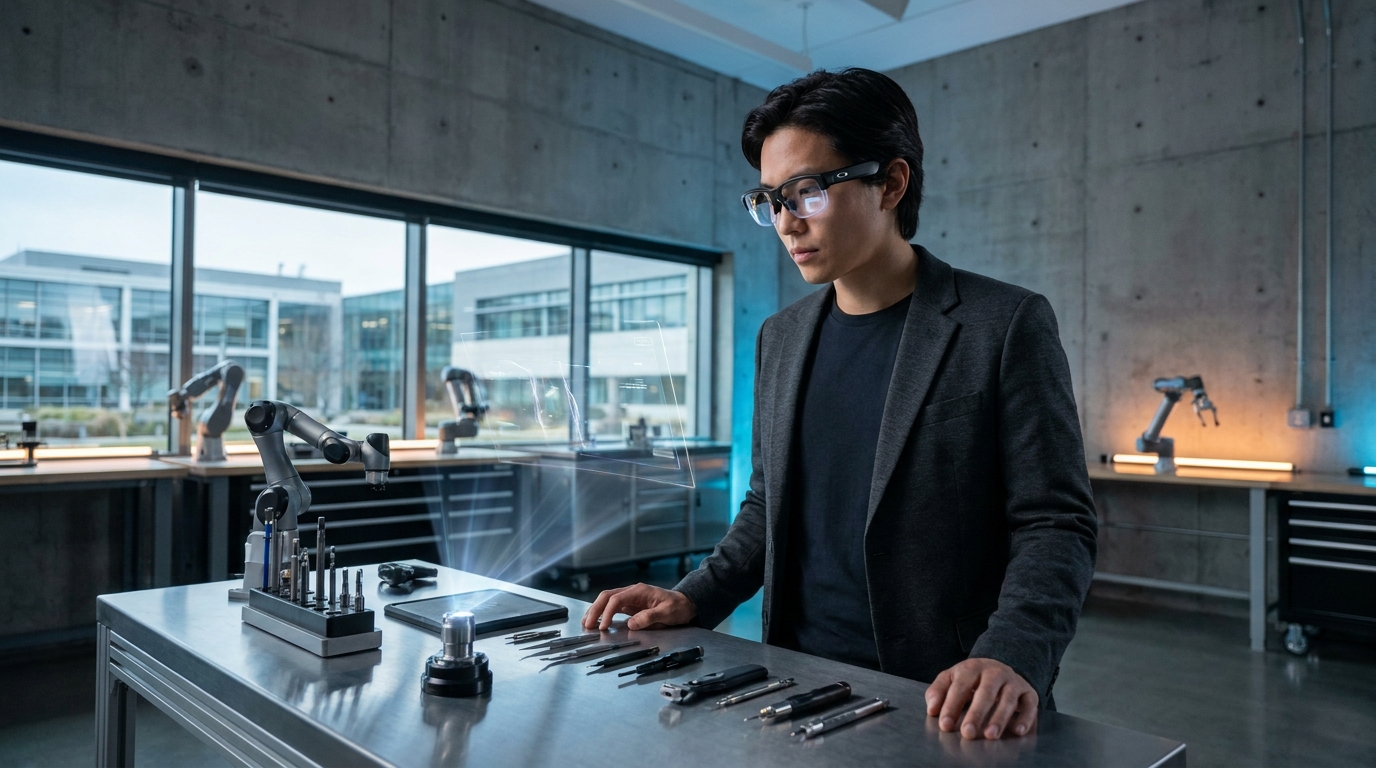
The smart glasses market is experiencing a profound schism. On one side, companies chase an elusive mainstream consumer, often tripping over privacy concerns and regulatory hurdles. On the other, a quieter revolution is brewing, driven by companies building powerful, purpose-built tools for professionals and the burgeoning community of hackers and builders. This divergence marks a pivotal moment for who truly controls the future of augmented computing: the gatekeepers or the innovators.
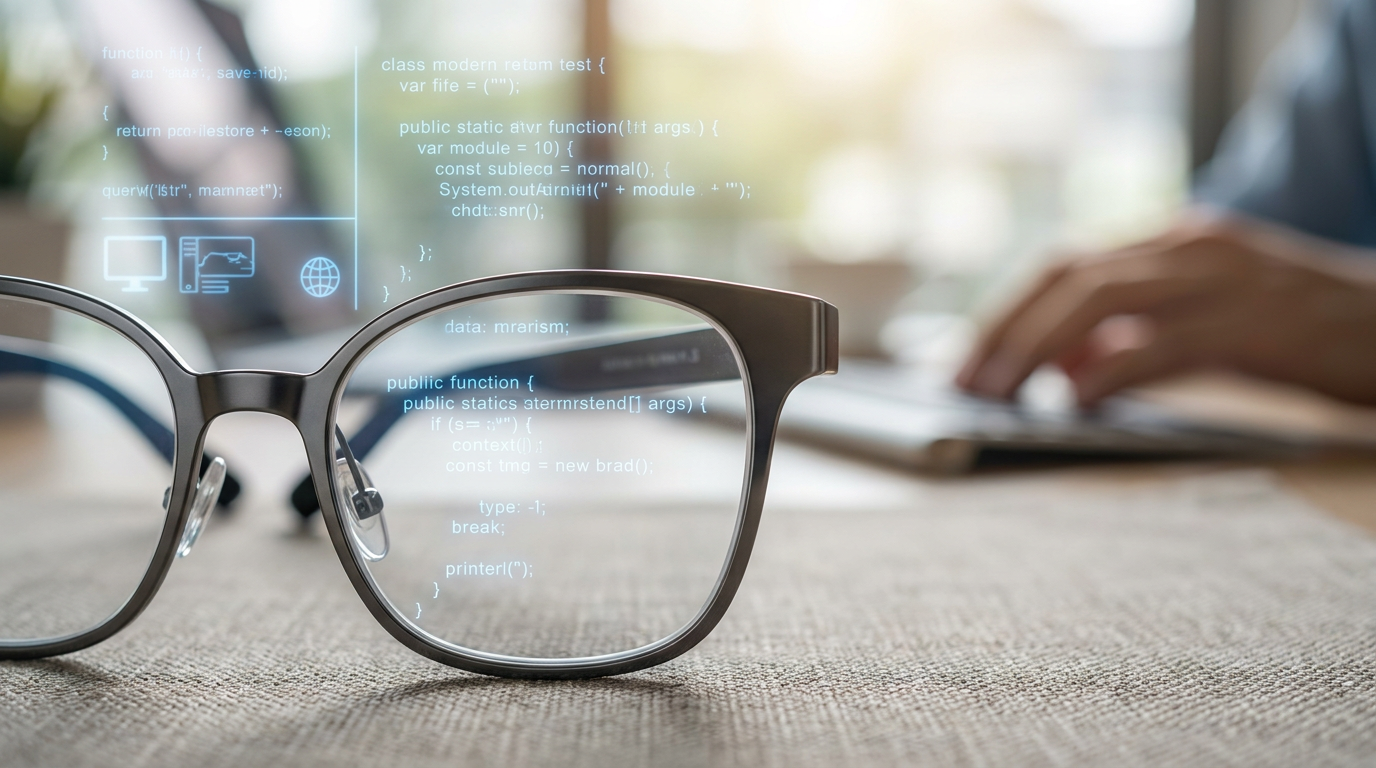
Enter Monako, a Chinese startup making an audacious gamble against the prevailing consumer narrative. Its Monako Glass is not an entertainment device or a social accessory; it is an ultra-light AI coding workstation. Monako's explicit targeting of developers with a "tool, not a toy" philosophy represents a critical shift in market approach. This focus validates a segment of users long ignored by the industry giants.
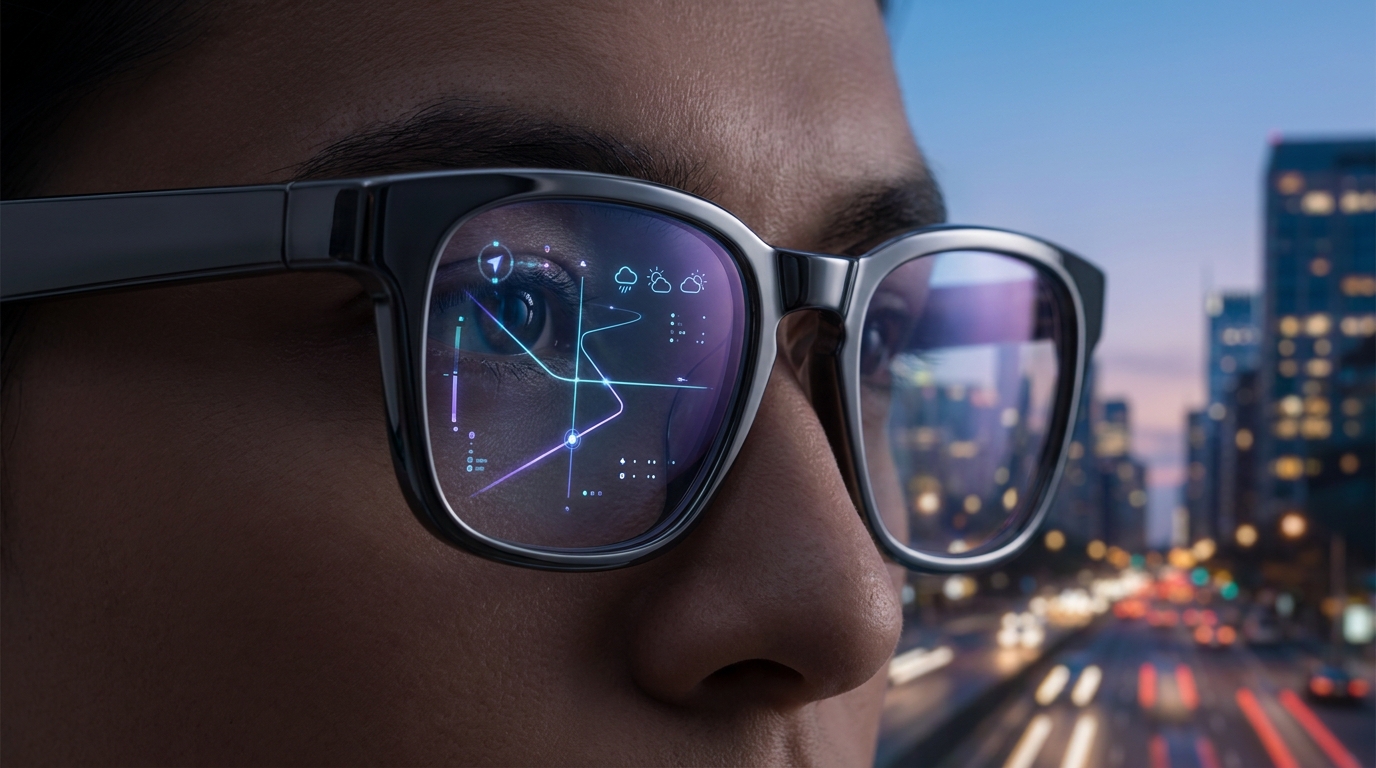
The specifications of Monako Glass confirm its professional intent. Weighing a mere 48 grams, it integrates a waveguide display, a bone-conduction microphone for noisy environments, and most importantly, a Linux-based operating system. This robust platform, pre-loaded with AI coding agents like Claude Code and OpenAI Codex, transforms the eyewear into a face-worn development environment. It is engineered for the demanding intellectual labor of AI development.
Monako's specialized approach isn't an isolated incident; it resonates with broader industry trends toward utility and accessibility. XREAL, for instance, is democratizing AR displays with its aggressive pricing strategy. The new X by XReal a01+ glasses, at just $299, offer a bright, best-in-class picture quality in a lightweight, discreet package. These budget-friendly displays provide essential hardware for any developer or hobbyist looking to experiment with AR.
This focus on capable, accessible displays stands in stark contrast to the camera-first strategy that has plagued some competitors. Companies like XREAL, RayNeo, and Rokid are quietly achieving display dominance by prioritizing a superior visual experience and functional utility. They are building foundational components for an augmented future, rather than devices primarily designed for recording the world. This difference is not just technical; it is philosophical.
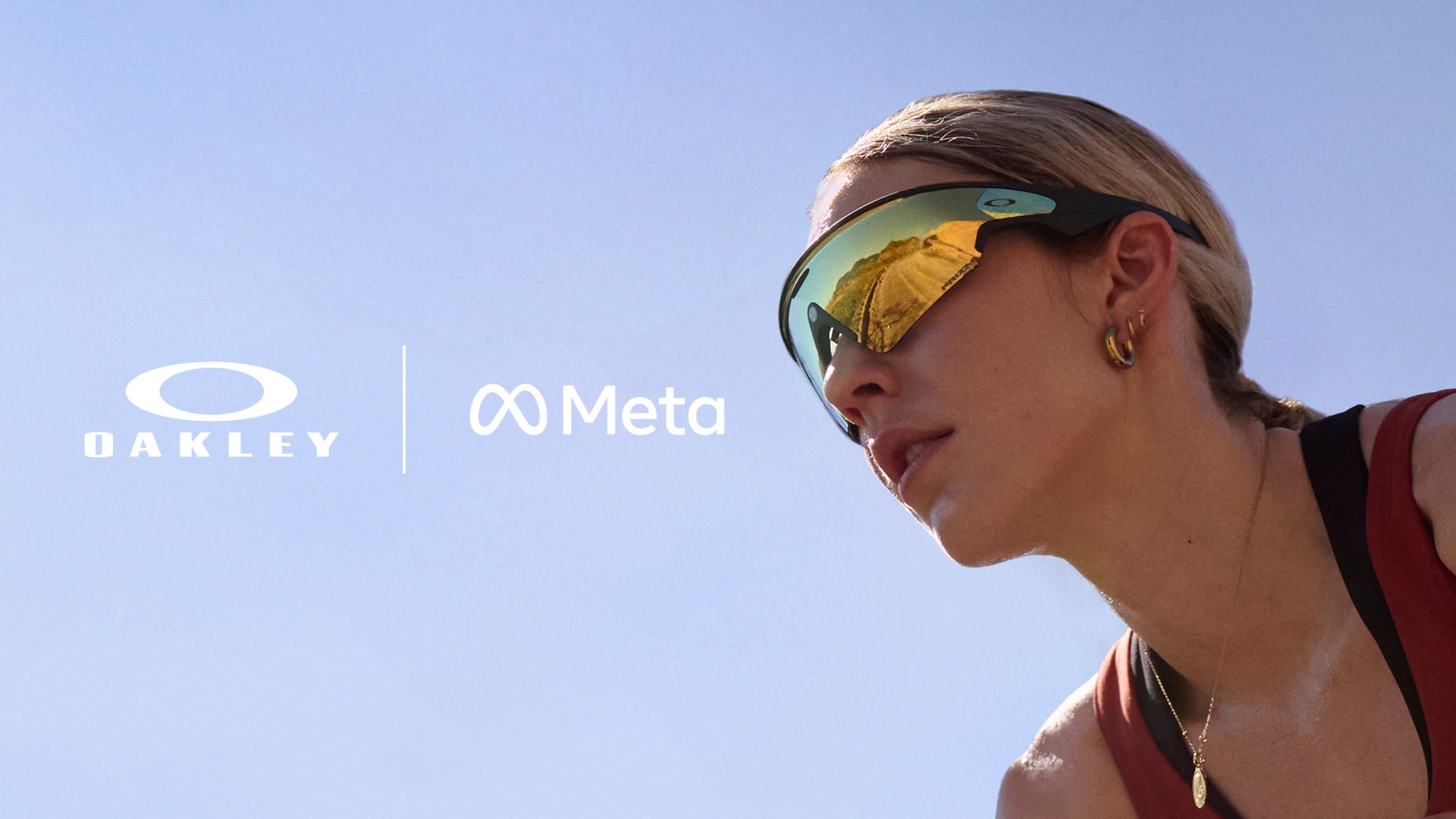
The pitfalls of a camera-centric approach are glaringly evident in Meta's struggles. Despite claims of rapid adoption, Meta's AI Glasses are facing intense public backlash, with online discourse deriding them as "pervert glasses." Users are reporting their devices becoming "fancy paperweights" due to social discomfort and hostility. This negative sentiment is directly impacting the willingness of individuals to wear Meta's smart glasses in public.
This public distrust is now translating into hard-line regulatory action. New York State's Unified Court System implemented a sweeping ban on all smart glasses and recording-capable eyewear in its 1,240 facilities. This statewide prohibition, driven by concerns over surreptitious recording, sets a chilling precedent. It underscores the profound societal anxiety that unchecked camera-equipped devices can generate.
Meta's attempts to assuage privacy concerns, such as its "capture LED" and the hard-disabling of devices with tampered LEDs, further highlight corporate control over user autonomy. The mandatory firmware update that deactivates the camera if the privacy light is modified is a clear message: these devices are not yours to freely alter. For hackers and builders, this kind of enforced limitation is anathema to experimentation and innovation.
Even Snap, through CEO Evan Spiegel's vision for Specs, positions its AR glasses as a "more human alternative" to smartphones, allowing users to remain present. While commendable, this still frames Specs as a curated consumer experience. It is about enhancing social engagement and accessing digital tools within defined parameters, not about providing an open platform for unfettered modification or deep system-level development. Lamborghini's Vision Pro app, while immersive, similarly highlights a closed, premium content experience rather than an open platform.
The clear divergence reveals a massive opportunity for the hacker and builder community. While mainstream companies struggle with privacy, regulation, and consumer acceptance, the path for truly empowering smart glasses lies in utility, openness, and specialized applications. Monako exemplifies this by explicitly building for a high-value niche with specific functional requirements. This deliberate choice avoids the traps of mass-market consumerism.
Magic Leap, often operating below the consumer radar, also plays a crucial role in enabling this builder-centric future. Its extended partnership with Google and manufacturing agreement with Pegatron signal a continued investment in foundational AR technologies, specifically waveguide displays. By advancing core optics for AI display glasses, Magic Leap is contributing essential infrastructure for the powerful, custom-built solutions that hackers will eventually leverage. They are building the robust underlying tech.
The future of smart glasses for hackers and builders is not a compromised, camera-first social toy. It is a powerful, display-centric, and potentially modifiable workstation for the face, underpinned by accessible hardware and open operating systems. This burgeoning ecosystem, exemplified by Monako and enabled by companies like XREAL and Magic Leap, represents the true frontier for innovation. The era of the augmented tool has truly begun.
Interactive guide — prices, displays, cameras, battery.
Share this story