Analysis · —
The Unseen Revolution: AI Assistants Take Over Your Eyewear, For Better or Worse
The dream of an always-on AI in your glasses is no longer science fiction. But as intelligence moves from our pockets to our faces, an industry-wide battle for trust, privacy, and public acceptance defines its very future.
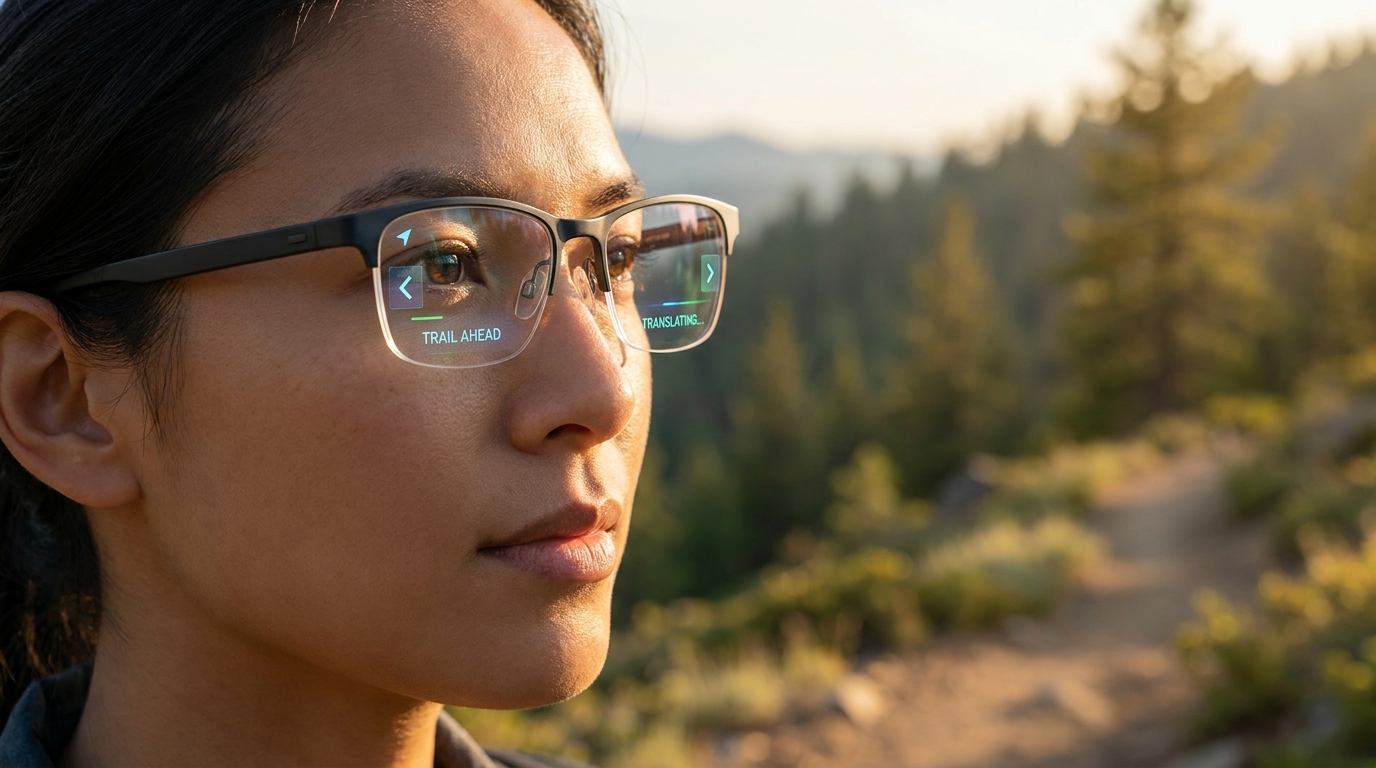
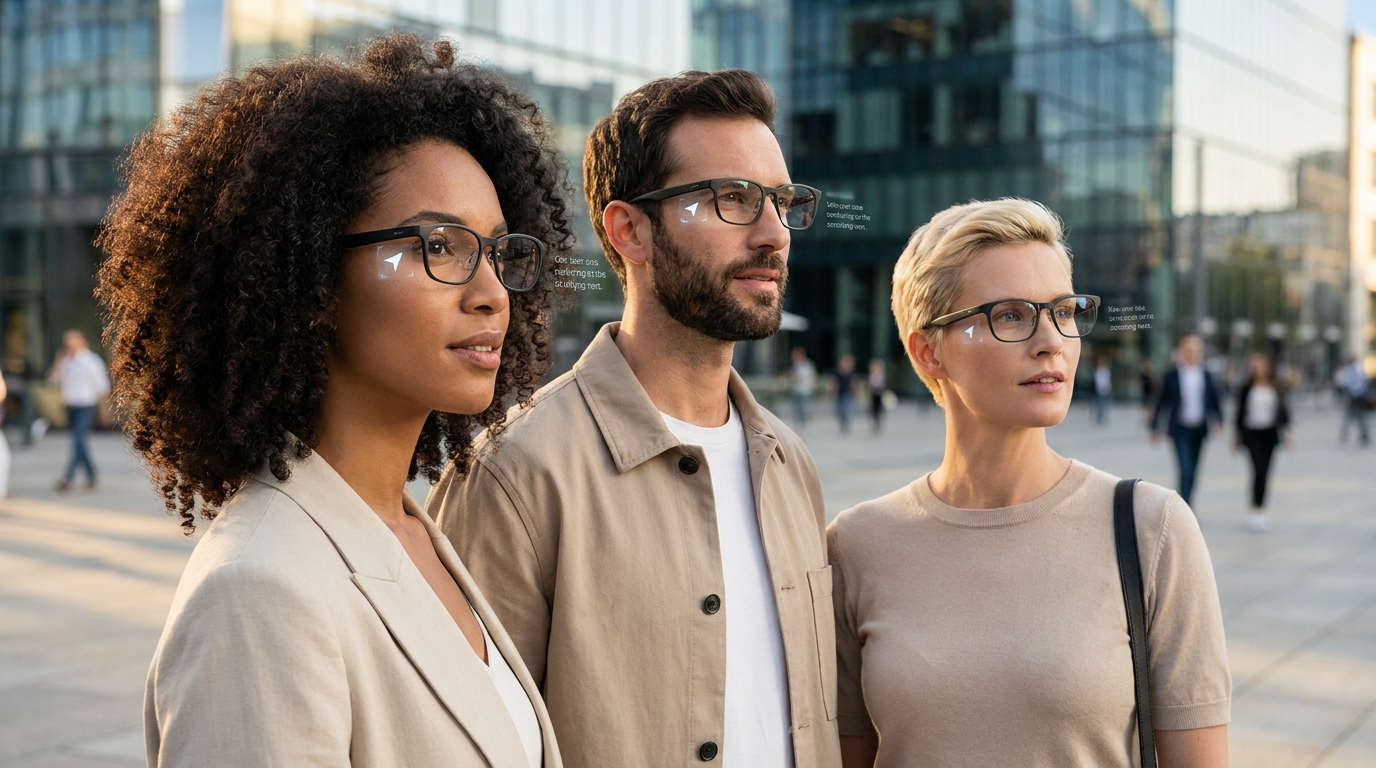
The future is here, not in bulky VR headsets but discreetly on our faces. Always-on AI assistants are rapidly transforming eyewear from passive accessories into proactive intelligence engines. This profound shift promises unparalleled convenience, yet it simultaneously ignites a furious debate over privacy, social acceptability, and the very definition of 'smart.' The battle for the face is heating up, and the stakes could not be higher.
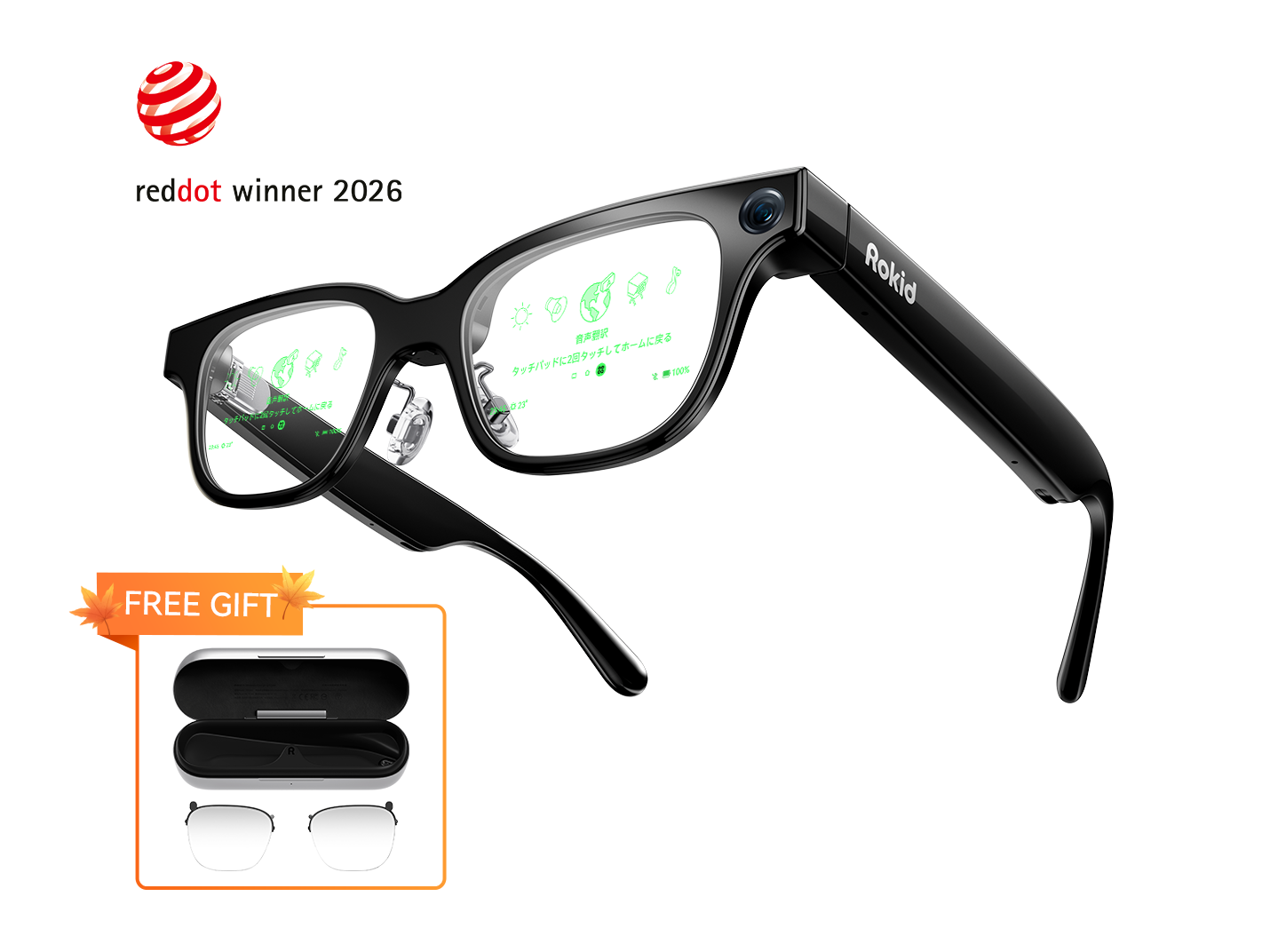
Imagine real-time language interpretation, seamlessly integrated into your vision. TCL RayNeo's AI translation glasses promise to shatter communication barriers, delivering sophisticated speech recognition and visual display directly to your eyes. This isn't just about utility; it's about transforming global interaction with hands-free contextual information and on-device object recognition capabilities.
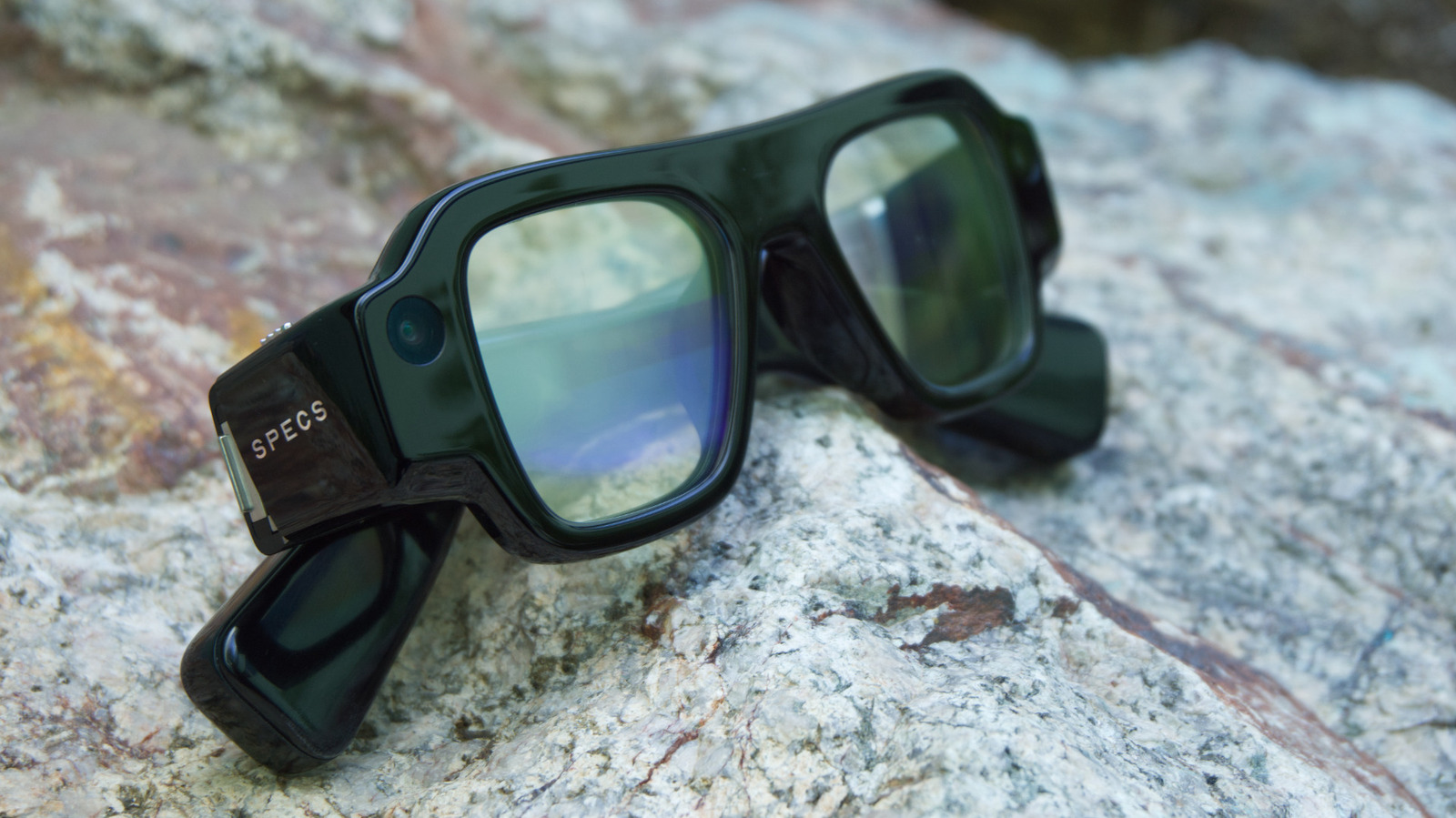
Snap, for its part, is pushing the envelope with SPECS, its consumer augmented reality glasses launching in September with a focus on integrating AI assistance, work tools, and shared experiences into the physical world. CEO Evan Spiegel champions 'computing that keeps people present rather than staring at a phone screen.' This vision perfectly encapsulates the allure of always-on AI eyewear: a less distracted, more augmented reality.
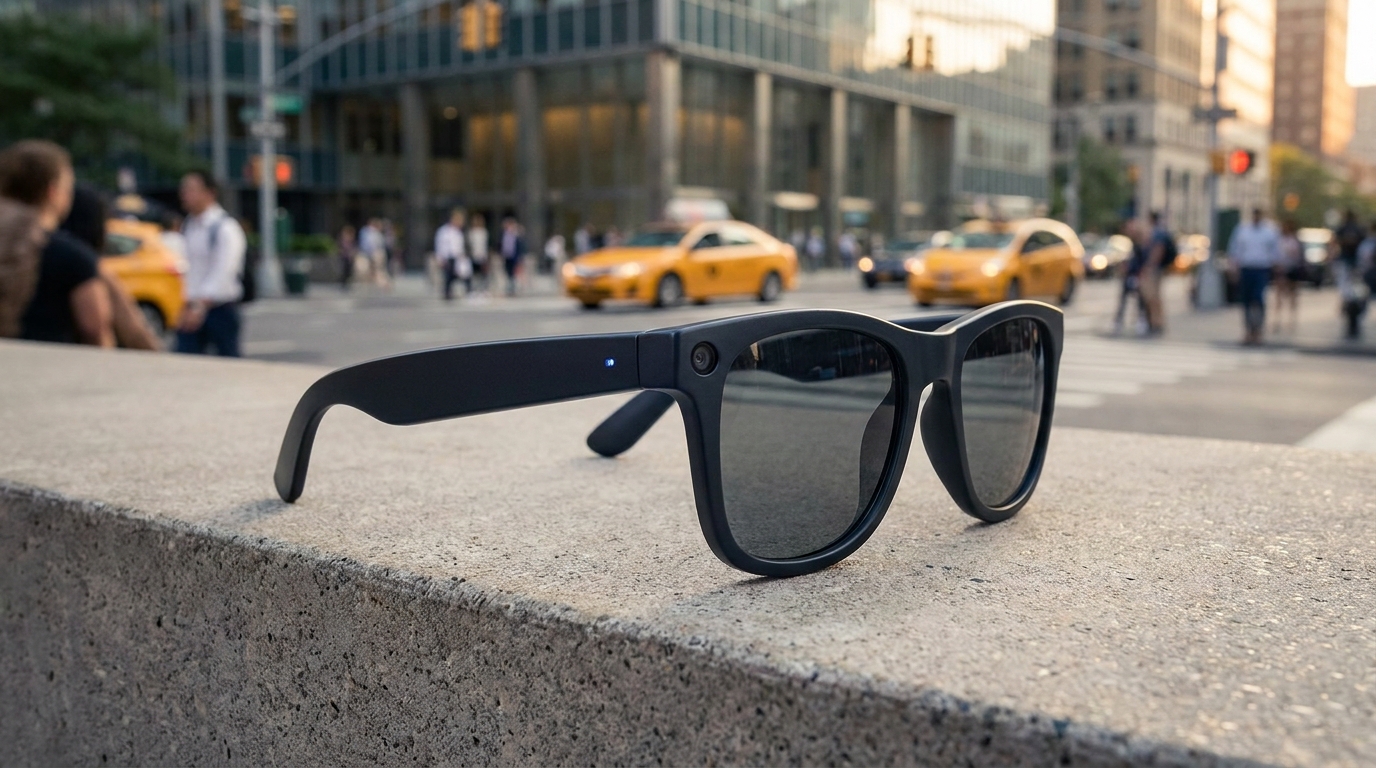
But this utopian vision clashes head-on with a persistent, ugly reality. The 'pervert glasses' stigma continues to cripple the camera-first smart eyewear market. Meta's repeated attempts to bolster privacy controls for its Ray-Ban lineup are 'failing to convince skeptics,' leaving early adopters grappling with an 'undue social burden.'
The root of this problem lies in the inherent invasiveness of cameras perpetually pointed at the world. Even Realities G2 smart glasses recently sparked an ethics debate over their ability to covertly record private conversations, raising serious questions about consent and data capture. This is not merely a PR problem; it's a fundamental crisis of trust that the industry has, until now, largely struggled to address.
Major players are finally reacting with extreme caution, learning from past mistakes. Apple, known for its polished user experiences, has reportedly delayed its smart glasses debut to WWDC 2027, prioritizing privacy above all else. The company is reportedly working to distinguish its approach, avoiding facial recognition and minimizing cloud data transfer in favor of robust on-device processing.
Samsung is also demonstrating a keen awareness of these pervasive concerns. Its forthcoming Android XR glasses will embed a crucial, tamper-proof privacy safeguard: a mandatory LED indicator that signals active camera use. Crucially, blocking this light will automatically disable recording functions, a design choice that signals a new era of proactive transparency.
This pivot, particularly from industry giants, signals a re-evaluation of what 'smart' truly means for eyewear. It suggests a strategic shift from intrusive, camera-first devices towards augmented displays and discreet, contextual assistance. The emphasis is moving from passive recording to active, personalized intelligence that respects the wearer and their surroundings.
The true power of these glasses, when stripped of their privacy baggage, resides in their core AI capabilities. Imagine an intelligent overlay that assists with navigation, identifies objects, or provides immediate data without ever recording a single interaction. The 'always-on' aspect then becomes about constant, passive computational awareness, ready to assist on demand, not to surveil.
This shift may even open doors for innovation in areas less contentious. While not an AI assistant per se, the Quest 3's Retro3D app demonstrates how advanced eyewear can still offer novel, non-intrusive entertainment experiences. It leverages technology for a personal visual experience without the recording controversy, highlighting diverse potential beyond the immediate, fraught camera debate.
Ultimately, the success of always-on AI assistants in eyewear hinges on trust. Consumers demand seamless integration and powerful features, but not at the expense of their privacy or the privacy of those around them. The industry must move beyond reactive fixes and build trust into the very architecture and social contract of these devices from the outset.
The ambition to place an AI assistant directly into our line of sight remains compelling and inevitable. From real-time translation to dynamic environmental awareness, the potential is transformative. However, the companies that will dominate this space are those that not only innovate with intelligence but also lead with uncompromising, verifiable ethical design. The smartest glasses will be the most trustworthy ones.
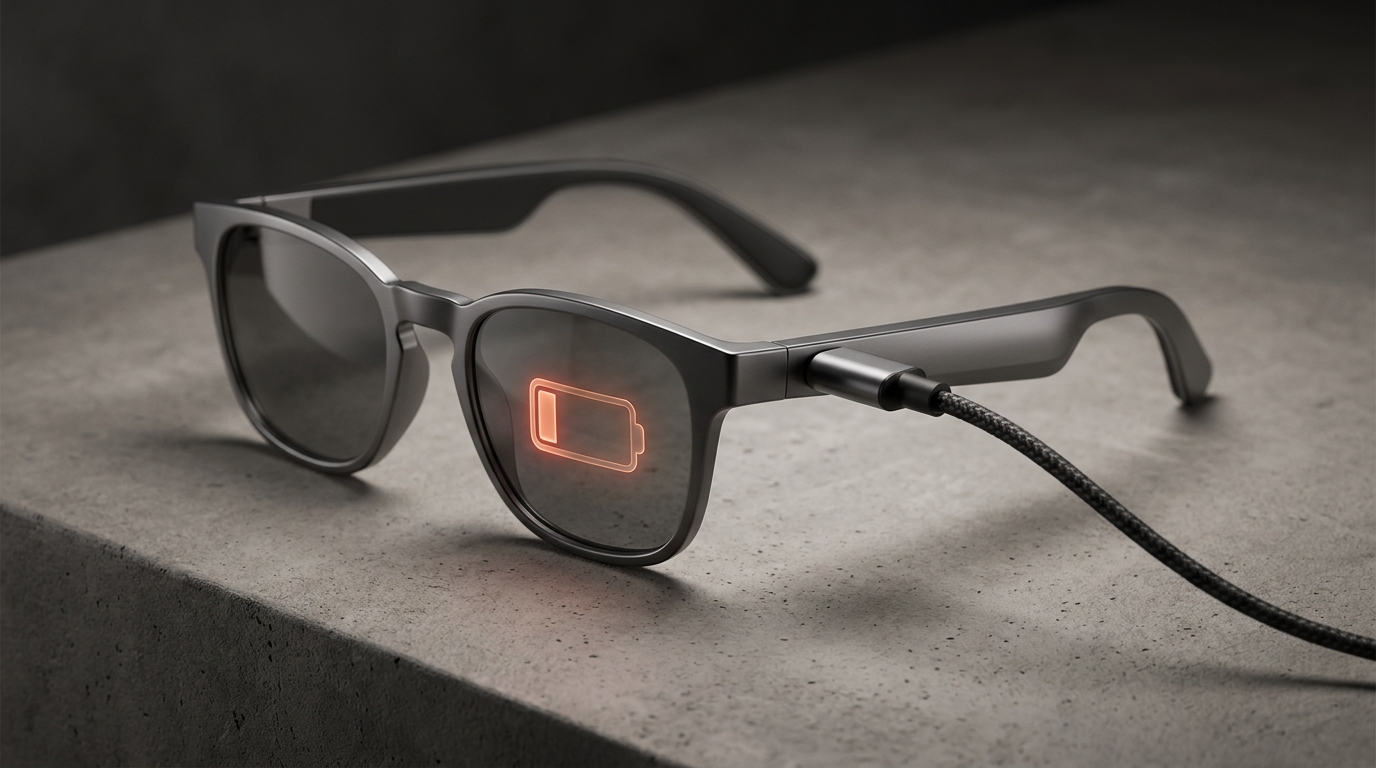
Interactive guide — prices, displays, cameras, battery.
Share this story