Analysis · -
The Unlocking: How Cheap Glass and Open XR Empower the Hacker Vanguard
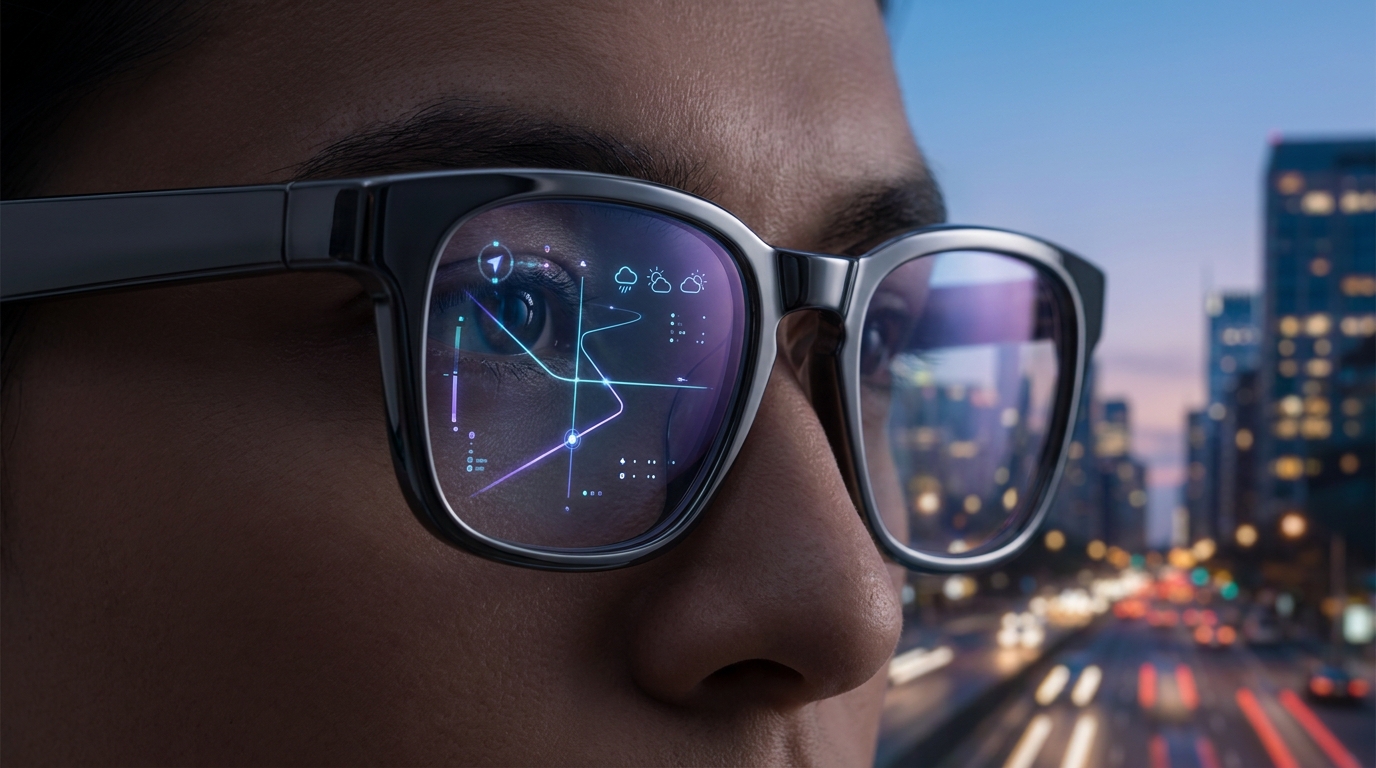
Meta's privacy blunders and walled gardens have stalled smart eyewear innovation. A new wave of ultra-affordable hardware and an open Android XR platform are poised to put control back into the hands of builders and disruptors.
The smart glasses market is not merely evolving; it is fragmenting, revealing two distinct paths forward. One road, paved by Meta, is littered with privacy failures and public mistrust, despite promising features. The other, less traveled but rapidly expanding, beckons hackers and builders with open platforms and unprecedented affordability.
For too long, the narrative around smart glasses has been dominated by Meta's missteps. The Ray-Ban Meta glasses, despite iterative improvements, are frequently derided as 'pervert glasses,' a damning indictment of their privacy posture. The Immigration and Customs Enforcement, or ICE, banning Meta glasses for employees over surveillance concerns is not an isolated incident; it reflects a systemic failure of public trust.
Instagram's ongoing struggle to moderate harassing 'pickup artist' content, often filmed with Meta AI glasses, further underscores this point. Despite Adam Mosseri's vows, Business Insider and Gizmodo report that problematic videos persist. This consistent failure to manage user-generated content, coupled with patents for invasive facial recognition, paints a grim picture for Meta's closed ecosystem.
This legacy of mistrust has effectively stifled innovation from the ground up. Developers and tinkerers are naturally wary of building on platforms notorious for privacy abuses, especially when the underlying technology is proprietary and opaque. The industry needed a reset, a way to democratize access and development, shifting power away from tech giants.
Enter Rollme. Their ProView smart glasses, launched at an unprecedented $99.99, are not just another product; they are a direct assault on the industry's pricing model. Featuring a 12MP Sony camera and AI live translation, Rollme is daring consumers and, crucially, builders to consider smart eyewear not as a luxury, but as an accessible utility.
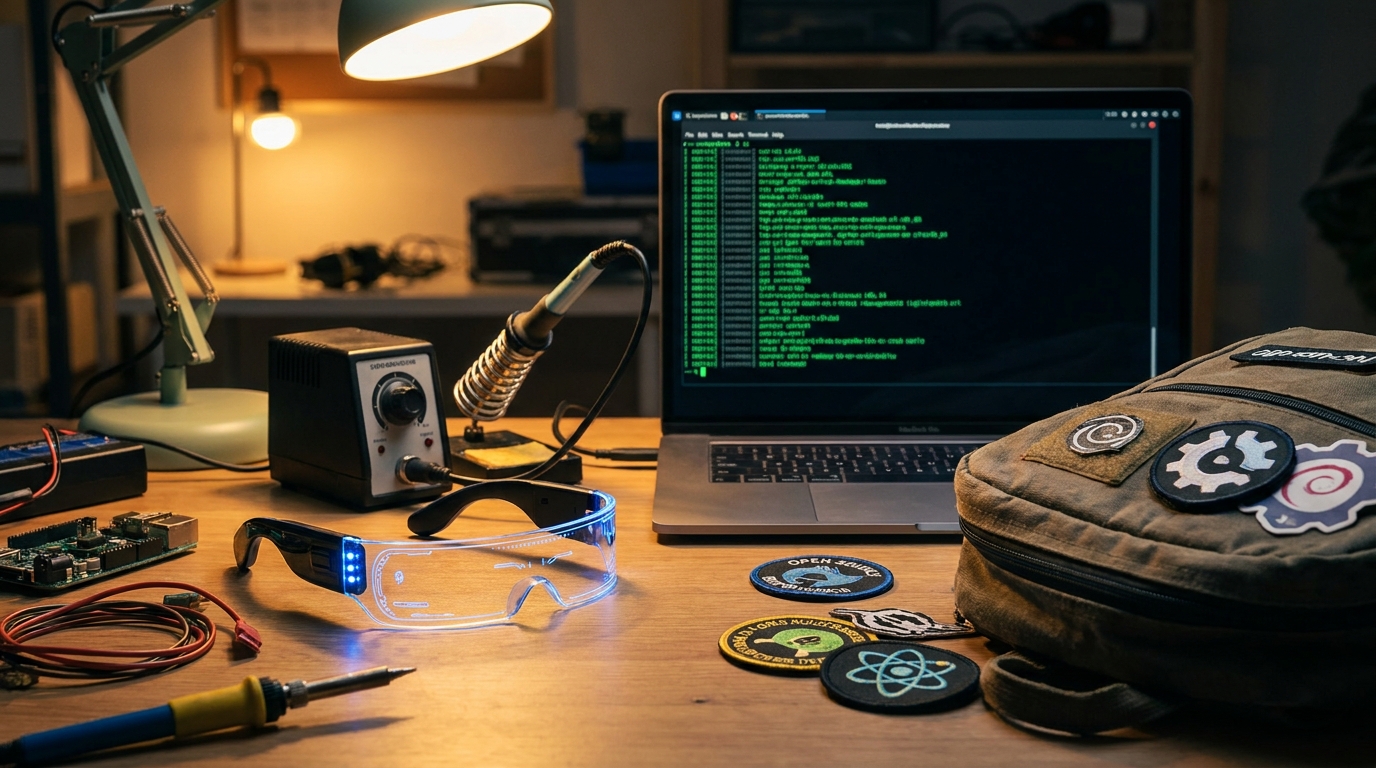
This aggressive price point fundamentally changes the calculus for hackers and DIY enthusiasts. At $99, smart glasses transition from a significant investment to an experimental device, akin to a Raspberry Pi or an Arduino. This low barrier to entry invites tinkering, reverse-engineering, and custom development in a way high-priced devices never could.
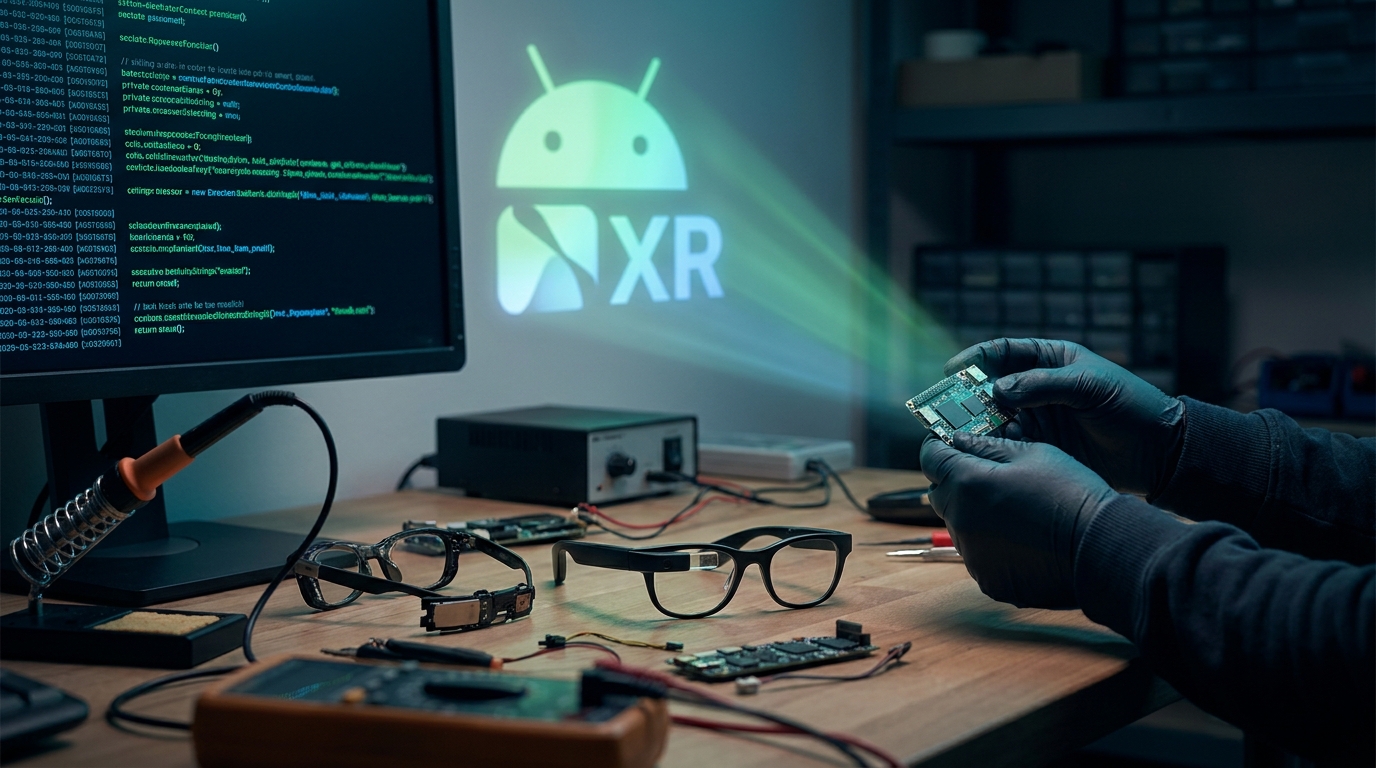
The potential of accessible hardware, however, only truly blossoms with an open software foundation. This is where the looming promise of an open Android XR platform becomes critical. As Smart Glasses Daily has noted, Android XR is poised to capitalize on Meta's failures, offering a standardized, open-source environment for smart eyewear development.
An open Android XR platform, paired with affordable hardware like the Rollme ProView, forms a potent combination. It provides the freedom developers crave, allowing them to build custom applications without navigating the restrictive and privacy-compromising policies of a proprietary ecosystem. Imagine specialized apps for industrial use, accessibility, or niche hobbies, all built on a transparent foundation.
Consider the transformative impact of smart glasses for individuals like Kevin Ramsey, a blind man who uses Meta glasses to navigate daily tasks, calling the technology 'life-changing.' This highlights the immense utility of smart eyewear itself, irrespective of the platform. An open ecosystem would enable countless such life-enhancing applications, tailored to specific needs, unburdened by corporate agendas.
For hackers and builders, this convergence signals a profound shift. They are no longer limited to the features or privacy constraints dictated by a single corporation. They can develop privacy-first solutions, experiment with novel interactions, and push the boundaries of what smart glasses can do, all on their own terms.
This stands in stark contrast to the high-end, closed approach epitomized by Apple Vision Pro, with its immersive MLB experiences and premium price tag. While impressive, such devices serve a different market and a different developer philosophy. The open, affordable path is for the community, for the innovators who see possibility in every circuit board and line of code.
The future of smart glasses, for the hacker and builder, is not about buying into a corporate vision. It is about seizing the tools, both hardware and software, to build their own. The $99 Rollme, coupled with the eventual openness of Android XR, is not merely a market disruption; it is the true unleashing of smart eyewear's potential, crafted by the hands of the community.
This moment represents more than just a pricing war or a platform battle; it is a declaration of independence for smart glass innovation. The era of the locked-down, privacy-invasive smart glass is ending, replaced by a future built by the many, for the many. The gates are open, and the builders are entering.
Interactive guide — prices, displays, cameras, battery.
Share this story