Analysis · —
The Silent Screen Kings: How Three Brands Are Winning the AR Display War
While Big Tech grapples with privacy and spatial computing's elusive promise, RayNeo, XREAL, and Rokid are quietly dominating the smart glasses market. They win by delivering one thing consistently: an excellent, unobtrusive display.
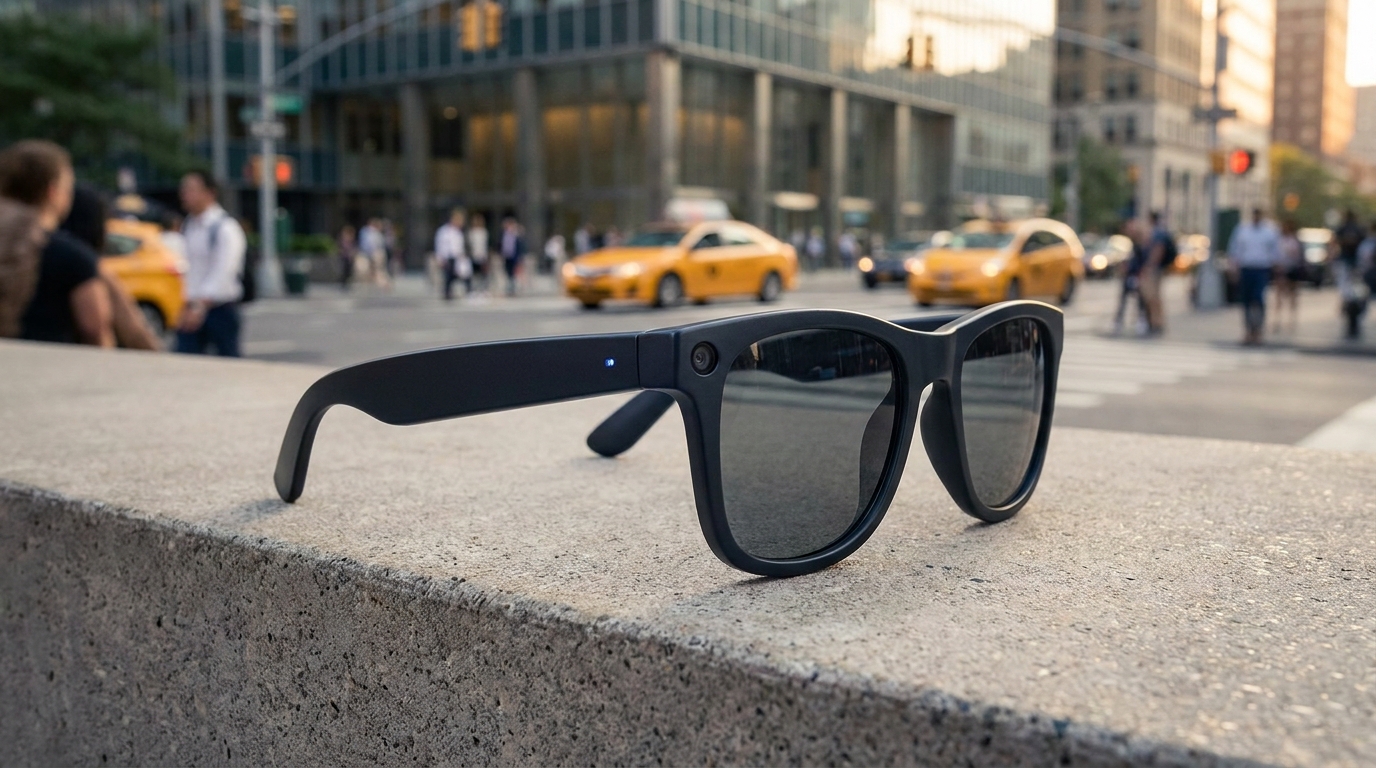
The grand narrative of smart glasses has been a spectacular, self-inflicted wound. Big Tech, in its relentless pursuit of immersive XR and spatial computing, tripped over the most basic human instinct: privacy. The industry's fixation on cameras created a public distrust so profound it birthed epithets like "pervert glasses," a label that stuck. This fundamental misstep, repeatedly highlighted in our Originals, alienated the mass market before it even had a chance to engage.
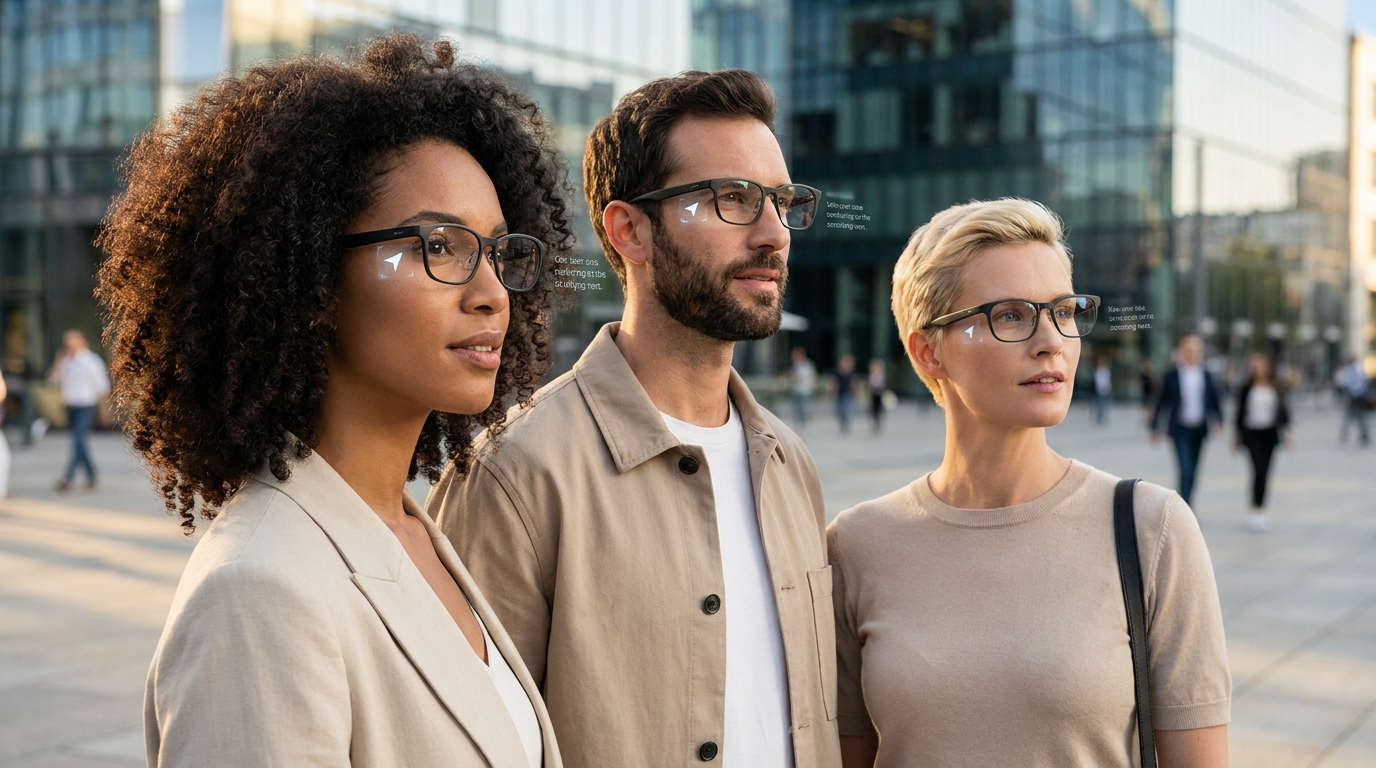
While giants like Meta and Apple wrestled with public perception and costly hardware, a silent revolution was brewing. Brands like RayNeo, XREAL, and Rokid sidestepped the camera conundrum almost entirely. Their strategy was remarkably simple: deliver a display, not a face computer. They understood that the everyday user did not want to record everyone, they wanted to consume media, see notifications, or enhance a specific task unobtrusively.
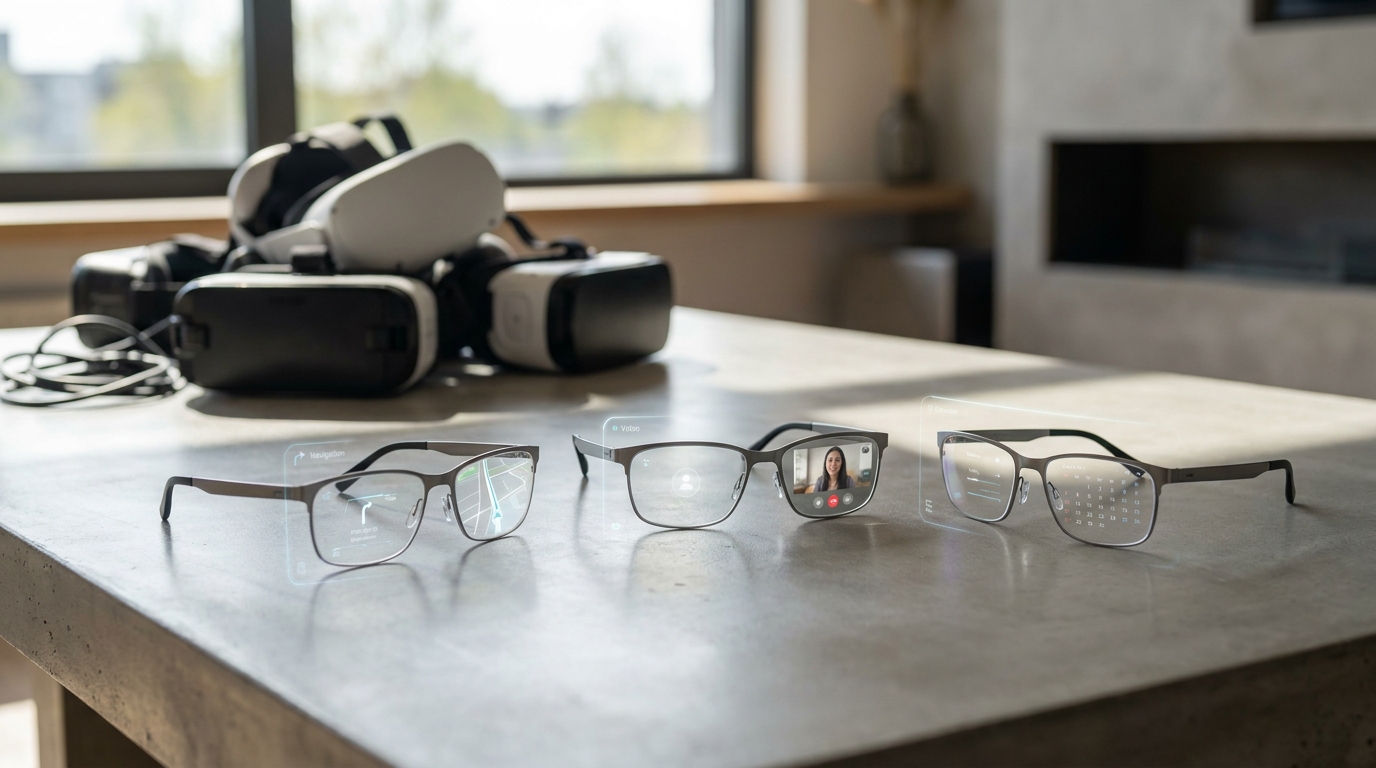
This "display-first" wave represents a crucial pivot in smart eyewear's trajectory. IFA 2026 underscored this shift, spotlighting lightweight AI HUDs and declaring a split in the market: the unobtrusive assistant and the high-fidelity cinema viewer. These two categories are precisely where RayNeo, XREAL, and Rokid have quietly, effectively dominated, largely because they are not burdened by the camera's privacy shadow.
Take XREAL, for instance, a brand synonymous with a personal cinema experience. Their strategy has always been about offering a massive virtual screen, projecting movies, games, or productivity apps into the user's field of view. By focusing on media consumption and PC extension, XREAL avoids the thorny issue of covert recording, offering clear, immediate value without the baggage. Their success is built on a display that works, not a camera that records.
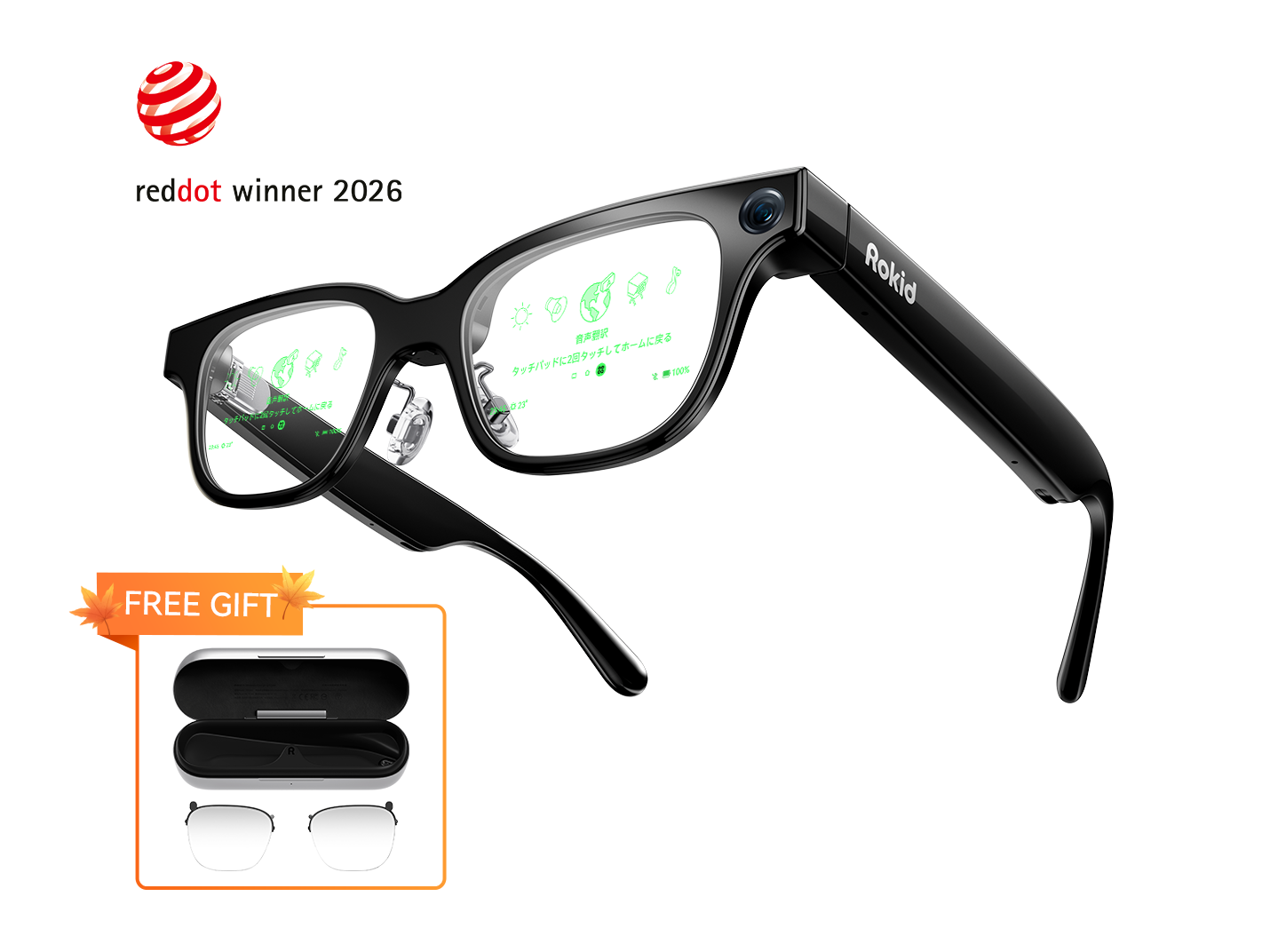
Rokid follows a similar, pragmatic playbook, often catering to industrial applications or delivering consumer entertainment. Their glasses provide crisp, vibrant visuals for a range of uses, from remote assistance to portable big screens. Like XREAL, Rokid's core offering is a visual interface, a window to digital information, rather than a surveillance device. This unwavering focus on visual utility distinguishes them from camera-heavy competitors.
RayNeo, too, has carved out a significant niche by prioritizing display quality and practical use cases. Whether enhancing gaming sessions or providing a discreet second screen for work, their products emphasize the visual experience above all else. They understand that a clear, bright display, delivered in a relatively comfortable form factor, is far more compelling than a low-resolution camera peering out at the world.
The persistent camera problem, eloquently debated by industry figures like Yuval Ofir, continues to cripple many contenders. Norway's Ministry of Digitalisation is actively moving to regulate camera-equipped wearables, specifically targeting facial recognition in public. This regulatory pressure, combined with enduring public discomfort, makes camera-centric designs a liability, not an asset.
While BleeqUp bravely enters the arena with camera-first products like the Rover and Ranger, their success is predicated on a very specific, acknowledged use case: sports capture. The Rover, with its tilting 3K camera and AI hazard detection, is purpose-built for cyclists and content creators. This is a niche, valuable utility, but it is fundamentally different from the everyday, discreet AR display we are discussing.
The industry's overall pivot towards AI assistants is a correct one, but the execution still frequently stumbles on hardware choices. Many still default to embedding cameras for AI context, perpetuating the very problem that hindered mass adoption. The quiet winners, however, have demonstrated that powerful AI does not always require an always-on, outward-facing lens.
Instead, their success lies in their modest ambitions and superior display technology. They do not promise full spatial computing today, nor do they invite public scrutiny with recording lights. They offer a highly competent, wearable display, transforming a phone screen into a cinema or providing heads-up data without intruding on privacy. This pragmatic approach is resonating with users.
This focus on delivering a superior visual output, rather than chasing elusive XR dreams or grappling with privacy crises, is their winning formula. RayNeo, XREAL, and Rokid understood the assignment: make digital information accessible and enjoyable in a personal, unobtrusive way. They are providing the practical tools today, not conceptual promises for tomorrow.
The industry's move away from high-cost, high-fidelity spatial compute, as seen in Apple's rumored pivot from Vision Pro, further validates this strategy. The market craves unobtrusive intelligence and personal entertainment, not necessarily full immersion. This shift favors brands that deliver excellent displays for specific, proven jobs.
These companies are not trying to replace your smartphone or your laptop, they are enhancing them. By focusing on being a supplementary display, a private viewing portal, or a discreet notification hub, they avoid the pitfalls of over-ambition and public backlash. Their 'quiet' victory is a testament to delivering focused value.
RayNeo, XREAL, and Rokid are not just winning the AR display war, they are defining what everyday, consumer-friendly smart glasses should be. They are proof that sometimes, the most revolutionary step is to simply get out of your own way and deliver a clear, well-executed display.
Interactive guide — prices, displays, cameras, battery.
Share this story